Polenta: A History That Nourished Italian Immigration in Brazil
Discover how polenta guided the lives of Italian immigrants in Brazil, its cultural importance, regional adaptations, and its enduring culinary legacy.
Meta description: Discover how polenta guided the lives of Italian immigrants in Brazil, its cultural importance, regional adaptations, and its legacy in Brazilian cuisine.
Polenta was much more than a food for generations of Italian immigrants in Brazil: it became everyday sustenance, a family ritual, and a symbolic link between homeland and new land. This text traces polenta's history from its origins in Italy to the adaptations and memories that formed part of the Italian-Brazilian identity.

Historical context of Italian immigration to Brazil
- What happened: Between the late 19th century and the early 20th century, millions of Italians emigrated in search of work and better living conditions. In Brazil, they mainly came to work on coffee plantations and later in urban occupations.
- Why it matters: The immigrants’ diet was shaped by scarce resources, a different climate, and the availability of local ingredients. Polenta, cheap and energy-dense, fit this scenario.
- Sources: The trajectory of Italian migration to Brazil is documented by institutions such as the Museu da Imigração de São Paulo (https://museudaimigracao.org.br) and migratory history studies, including analyses by experts in food and migration, such as Donna R. Gabaccia.
The origin of polenta in peasant Italian cuisine
- Polenta as rural food: According to the Italian encyclopedia Treccani, polenta has peasant roots and became popular especially in Northern Italy with the diffusion of corn after the 16th century (https://www.treccani.it/enciclopedia/polenta/). It was a subsistence food — economical, easy to prepare in large quantities, and adaptable to different accompaniments (cheeses, sauces, meats).
- Social function: In rural Italy, polenta often gathered families around the hearth and served as the base for local celebrations, a practice that immigrants carried to Brazil.
How polenta became a symbolic dish among immigrants
- Continuity of eating habits: Upon arriving in Brazil, families from regions where polenta was common found in the dish a way to preserve tastes, memories, and modes of socializing.
- Practical integration: Polenta's versatility allowed it to be eaten in daily meals and at celebrations, solidifying its place at the table and in community identity. Studies on food and migration highlight that simple, portable foods often function as cultural anchors in migratory societies (see studies of food history).
Adaptation process: local ingredients in Brazil
- Corn and other flours: In Brazil, corn was already widely cultivated; immigrants adapted recipes using local corn. In some regions, mixed flours or substitutions were incorporated according to availability.
- Local accompaniments: Polenta in Brazil began to be served with local ingredients — tomato sauces with Mediterranean influences, Brazilian cheeses, beef or pork ragù produced in colonies, and even accompaniments with Indigenous and African flavors.
- Regional sources: Studies on migratory food show that ingredient exchange between peoples is a gradual, situational process, almost always driven by local supply and families’ purchasing power.
Regional variations of polenta in Brazil (Southeast, South, Northeast)
- Southeast: In states like São Paulo, especially in areas of Italian colonization, polenta was integrated into everyday menus and family gatherings. It can be served creamy with tomato sauce and ragù, or firm, sliced and grilled.
- South: In Rio Grande do Sul and Santa Catarina, where Italian immigration was intense, polenta also gained reinterpretations with local cheeses (such as colonial cheese) and sauces based on pork and beef. Colony festivals still maintain traditional recipes.
- Northeast: Where Italian presence was smaller, polenta appears in urban contexts and as influence from European restaurants and cuisine, often adapted to regional ingredients.
- Note: These variations are observed in field studies and ethnographic records on the eating habits of Italian colonies in Brazil; for specific colony reports, see archives of state and municipal migration museums.
Rituals and family meanings associated with polenta
- Domestic rite: Preparing polenta in large pots was, and still is, a collective act: sharing the task, stirring the mass, and serving it in a large dish reinforced family bonds.
- Symbolism: In many families, polenta entered rituals — Sunday lunches, saints’ feasts, weddings, and colony celebrations — functioning as a marker of ethnic belonging and generational continuity.
Polenta in community memory: festivals, weddings, and celebrations
- Colony festivals: In regional celebrations organized by Italian-Brazilian communities, polenta remains a central presence: served as a main dish at community lunches and as a flavorful memory of origins.
- Testimonies and memorialization: Municipal archives, cultural centers, and immigrant associations preserve written recipes, photos, and narratives that illustrate how polenta shaped family and community memories.
Polenta in literature, music, and popular arts
- Cultural representations: References to polenta appear in lyrics, stories, and plays dealing with the migratory experience, often as a symbol of homesickness or community life.
- Visual arts and folklore: At regional festivals, scenes of polenta preparation are depicted in paintings, murals, and popular performances that revive and celebrate Italian heritage in Brazil.
Traditional and modern recipes for preparing polenta
- Traditional basic recipe:
- Ingredients: cornmeal (fubá), water, salt, butter or oil. Cook, stirring, until reaching the desired consistency.
- Traditional accompaniments: ragù, tomato sauce, aged cheeses.
- Contemporary versions:
- Fried or grilled polenta in slices, served as a base for modern dishes.
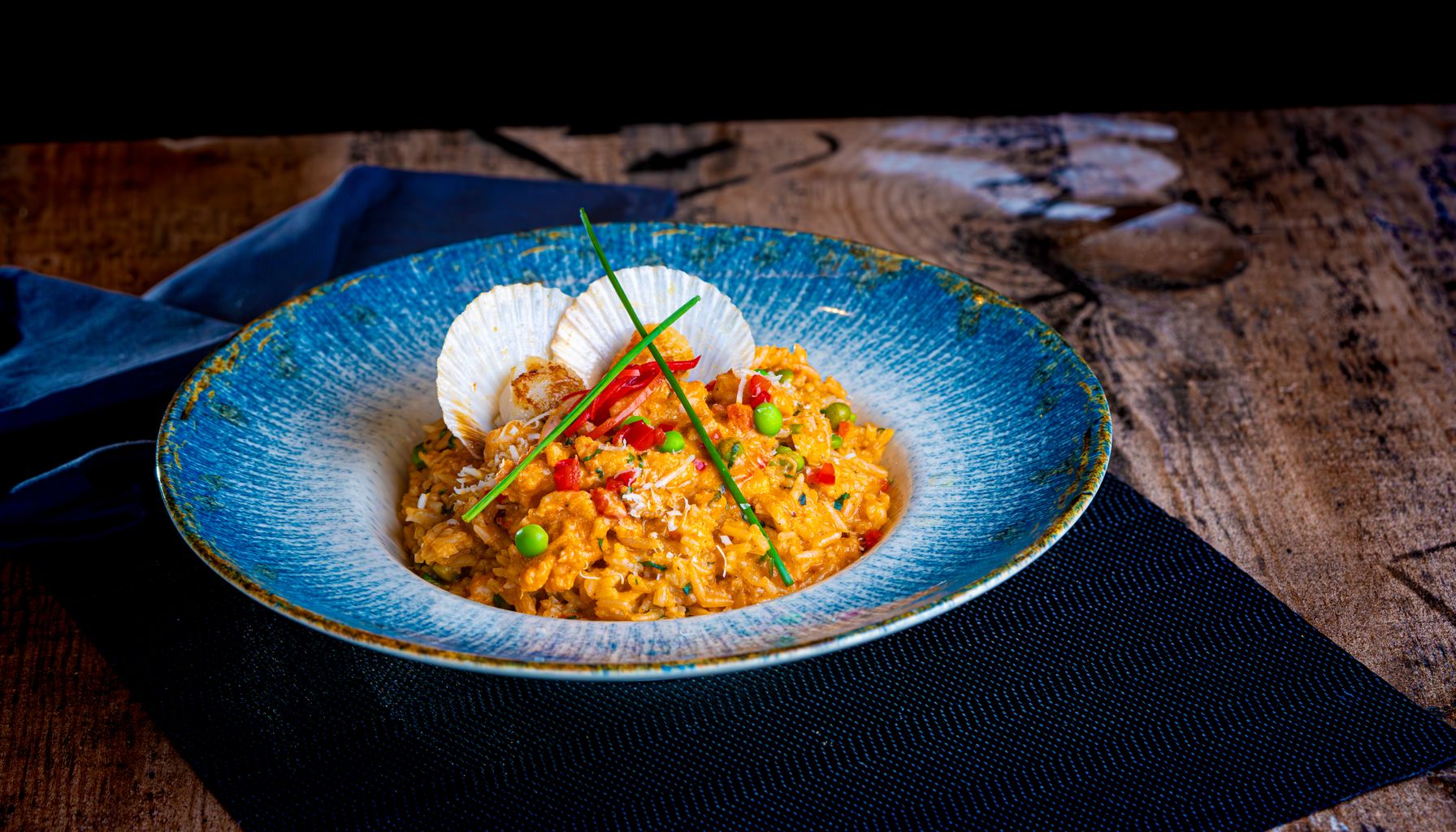
- Creamy polenta with Brazilian artisanal cheeses or Ital-Brazilian inspired risottos.
- Sources of reference: Old colony cookbooks and regional gastronomy publications compile variations and techniques.
Economic and social impact of immigration on popular food
- Dietary diffusion: Ingredients and dishes brought by immigrants — including polenta — were assimilated by the local population, contributing to Brazil’s culinary diversity.
- Business generation: The presence of restaurants, bakeries, and artisanal producers tied to Italian tradition helped solidify niche urban and rural economies.
- Research: Academic works on the economics of food emphasize that migratory patterns alter food chains and local markets by introducing new demands and culinary know-how.
Legacies of polenta in contemporary Brazilian gastronomy
- Presence on menus: Today, polenta appears in both traditional colony restaurant menus and in modern avant-garde kitchens, reaffirming its versatility.
- Cultural recognition: In many cities with strong Italian influence, polenta is an integral part of regional culinary repertoire.
Restaurant recommendations and authentic preparations for visitors to Brazil
- Look for eateries and cantinas in regions with Italian tradition (Southern and Southeastern cities) to find traditional preparations.
- Colony festivals and cultural centers often offer homemade polenta during public events.
- When ordering polenta, note whether the establishment uses fine cornmeal for a creamy version or coarser meal for a rustic texture; this helps distinguish styles.
- Internal resource: For context on how Italian communities live and maintain traditions, also read our pieces on Vida na Itália and on culinária italiana.
Connections with Italian identity: cultural preservation
- Collective memory: Polenta serves as a vehicle of cultural memory — a dish that crosses generations and helps tell stories of migration, work, and adaptation.
- Intergenerational transmission: Recipes passed from parents to children, family books, and community events contributed to keeping the culinary practice alive.
How polenta symbolizes ties between Brazil and Italy
- Cultural bridge: While preserving Italian culinary forms, polenta incorporated Brazilian elements, becoming a symbol of a hybrid identity — Ital-Brazilian.
- Identity and belonging: For descendants, polenta is a reminder of roots and also of integration into Brazil’s social fabric.
Conclusion: The history of polenta in Brazil is the history of food choices that cross borders — a simple dish that sustained families, marked rituals, and helped build bonds between two nations. Present at tables, festivals, and memories, polenta remains a living link between Italy and Brazil, inviting us to rediscover Italian-Brazilian cuisine in its multiple versions and meanings. To learn more about migration stories and citizenship, consult our sections on cidadania italiana and Notícias da Itália.