Italian DOP Cheeses: Parmigiano, Grana, Pecorino, and How to Choose
Learn to identify Italian DOP cheeses like Parmigiano Reggiano, Grana Padano, and Pecorino, their indications, culinary uses, and tips to pick the best.
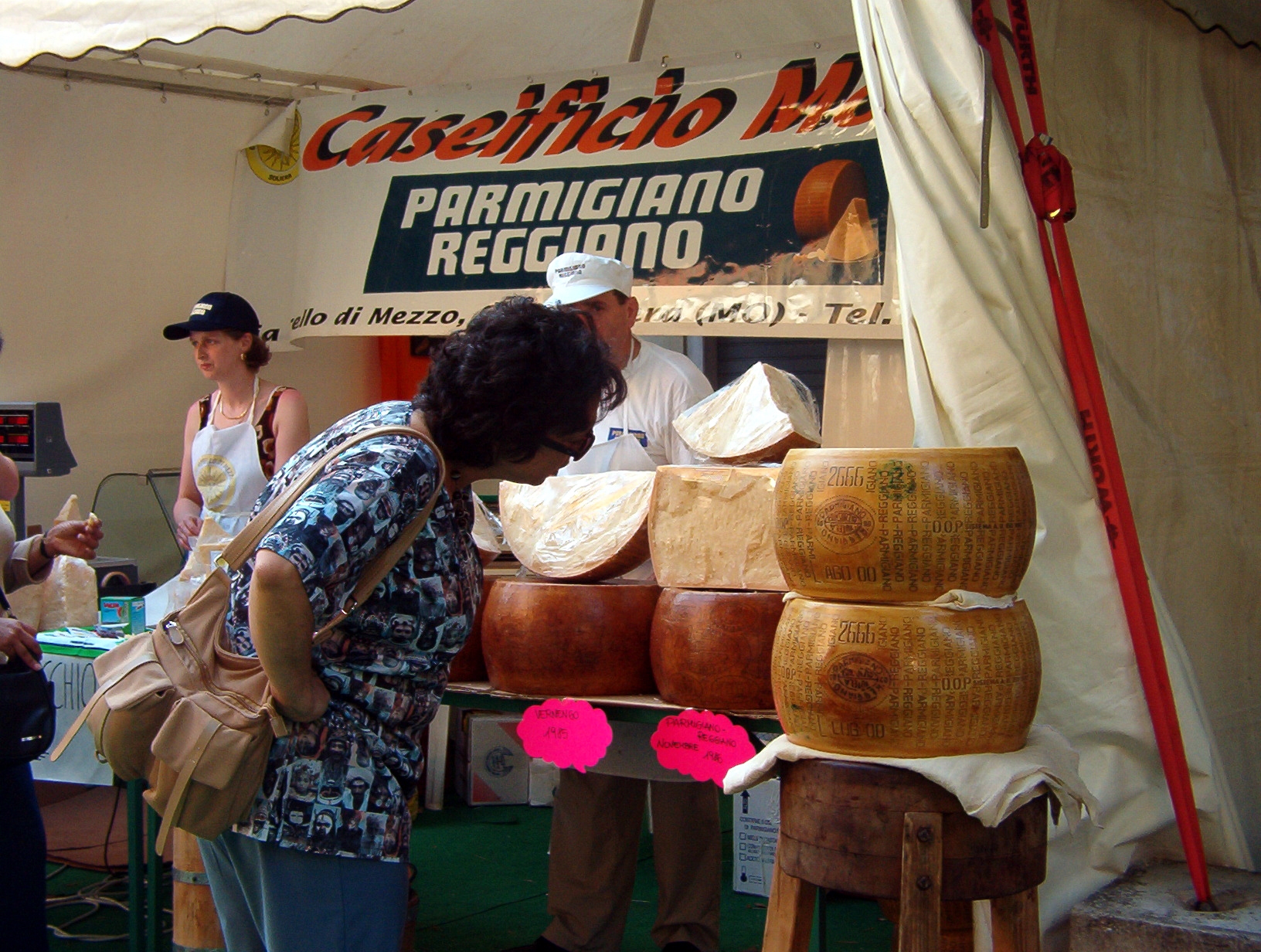
Parmigiano Reggiano, Grana Padano and the various Pecorino DOPs are icons of Italian cuisine: understand what DOP means, the differences among them, and how to pick the best piece at the counter or in the supermarket.
What DOP is and why it matters for parmesano, grana, and pecorino
The acronym DOP (Denominazione di Origine Protetta) is a European seal that protects products whose characteristics derive from the territory and traditional methods. According to the European Commission, the DOP guarantees that the entire process—from raw materials to production—occurs in a defined geographic area and under strict rules (source: European Commission, https://food.ec.europa.eu).
For Italian cheeses:
- Parmigiano Reggiano DOP is produced in specific areas of Emilia‑Romagna and Lombardy and follows rules about cow feed, milk transfer, traditional production methods, minimum aging time, and control by the consortium (Consorzio del Parmigiano Reggiano, https://www.parmigianoreggiano.com). Important note: Parmigiano Reggiano is produced with raw milk.
- Grana Padano DOP has a larger production area and its own disciplinare, controlled by the Consorzio per la Tutela del Formaggio Grana Padano (https://www.granapadano.it). Grana Padano has regulated minimum aging periods (for example, the basic wheel typically has a minimum of about 9 months; there are categories with longer maturations).
- Pecorino DOP refers to several types (e.g., Pecorino Romano DOP) made with sheep’s milk in delineated regions, each with its own consortium and disciplinary (e.g., Consorzio per la Tutela del Formaggio Pecorino Romano, https://www.pecorinoromano.com).
DOP is not just marketing: it is a legal and technical tool to preserve traditions and inform consumers about origin and quality standards.

Differences between Parmigiano Reggiano, Grana Padano, and Pecorino
Flavor and texture profile of each cheese
- Parmigiano Reggiano DOP: granular, brittle texture; intense, complex aroma with notes of dried fruit and nuts. Common maturations: 12, 24, 36 months (the older, the drier and more concentrated the flavor). Source: Consorzio del Parmigiano Reggiano.
- Grana Padano DOP: similar “grana” style to parmigiano, but generally milder; texture and aroma vary with aging and production area. Source: Consorzio Grana Padano.
- Pecorino (e.g., Pecorino Romano DOP): made with sheep’s milk, sharper and saltier flavor, firm to semi‑firm texture; ideal for grating over strong pastas. Source: Consorzio Pecorino Romano.
How to recognize quality at the counter and on the shelf
- Look for the DOP label on the packaging and the name of the responsible consortium.
- Check the cut: DOP-quality cheeses should have a consistent structure and no abnormal odor.
- Verify the presence of batch and production date information on the packaging; DOP rules require traceability, though how information is presented varies by product and packaging.
- Ask about aging: labels typically indicate months. For whole cheeses, the rind may be stamped with the product name (e.g., "Parmigiano Reggiano") and authenticated markings help identify the genuine wheel.
Traditional culinary uses of each DOP
- Parmigiano Reggiano DOP: shave slivers over risottos, grate over light pastas, pair with dried fruits. Not recommended to substitute processed cheeses in recipes that rely on its distinctive aroma.
- Grana Padano DOP: versatile in everyday cooking — pastas, soups, sauces, gratins.
- Pecorino DOP: used in robust recipes (e.g., traditional Roman carbonara with Pecorino Romano), and for grating on dishes that can handle its saltier flavor.
How to choose Parmigiano, Grana, and Pecorino in the shop
Maturation, labels, and batches
- Prefer labels that indicate aging months and batch/lot information when available.
- For direct consumption, pieces aged 24 months or more offer more complex flavor; for grating, 12–18 months can be sufficient and more economical.
- Confirm the presence of the consortium name and the DOP seal; for Parmigiano Reggiano, the whole wheel has the name carved on the rind.
Storage tips and shelf life
- Store in packaging that allows some breathability: cheese paper or permeable film for cheese; avoid fully airtight plastic that traps moisture and promotes mold.
- In the refrigerator, ideal temperature is 4–8 °C in the cheese crisper or the bottom shelf.
- To preserve slivers: wrap in parchment paper intended for foods and then in permeable film; freezing is not recommended for whole cured DOP cheeses, as it alters texture.
Pairings, quick recipes, and international shopping
Wine and dish pairing suggestions
- Parmigiano Reggiano DOP: firm red wines (Barolo, Brunello) or dry sparkling wines to contrast its saltiness.
- Grana Padano DOP: full-bodied white wines or light red wines.
- Pecorino DOP: pairs well with young, acidic red wines or mineral white wines.
Quick recipes with Italian DOP cheeses
- Grissini with Parmigiano Reggiano shavings and honey.
- Spaghetti alla carbonara with Pecorino Romano DOP.
- Risotto finished with butter and grated Grana Padano.
Tips for shopping in international markets
- Look for the DOP seal and check the importer; counterfeits do occur. Consult consortium sites for producer lists and tips (links in the sources below).
- At local fairs, prefer trusted shops that display provenance documentation.
Where to find DOP cheeses in Italy and abroad, and cultural impact
- In Italy, DOP cheeses are sold in dairies, local markets, and supermarkets; visiting a caseificio lets you see the process (schedule a visit with the local consortium). Abroad, specialty shops and reputable importers ensure authenticity.
- The Denomination of Origin protects traditional characteristics and helps consumers identify quality — according to the consortia, DOP also supports local economies and culinary tourism.
"Denominazione di Origine Protetta" — EU rule that binds a product to its territory and production method.
Sources and further reading:
- European Commission, DOP page: https://food.ec.europa.eu
- Consorzio del Parmigiano Reggiano: https://www.parmigianoreggiano.com
- Consorzio per la Tutela del Formaggio Grana Padano: https://www.granapadano.it
- Consorzio per la Tutela del Formaggio Pecorino Romano: https://www.pecorinoromano.com
For news and context about Italy and its gastronomy, also see our pages on Notícias sobre Itália and Culinária italiana. For content about living and traveling in the country, check out Vida na Itália and information on Cidadania italiana.
Conclusion: choosing a DOP cheese means opting for a product with proven origin, production rules, and authentic flavor; identifying the seal, consortium, aging, and provenance are simple steps that increase the chance of bringing home a cheese that stays true to Italian tradition.