Gastronomic Festivals in Italy: What They Are and When They Occur
Discover what sagre are in Italy, how they work, their regional types, and the typical periods of each event across the country.
Meta description: Discover what sagre are in Italy, how they work, their regional types, and the typical periods of each event across the country.
The sagre — known as gastronomic festivals — are local events that celebrate a regional product or recipe and bring together the community, producers, and visitors around the table. Taking place in villages and small towns, they typically combine traditional food, music, and festive rituals, and serve as a gathering point for those seeking culinary tourism in Italy.
What a sagra is and why it matters
A sagra is, at its core, a local gastronomic ritual: a community festival centered on a food or product (for example, truffles, olive oil, cheese, or a regional dessert). According to the national tourism agency ENIT, these festivals combine tradition, patron saint celebrations, and promotion of the territory (https://www.enit.it). The term differs from a commercial fair (fiera) or from a strictly religious village festival because the main emphasis is on food and the local supply chain.
- Differences: fairs (fiere) tend to have a mercantile and exhibits character; village festivals can be linked to religious celebrations. Sagre blend religious festival, popular festival, and gastronomic promotion.
- Local identity: sagre preserve recipes and techniques, reinforcing community identity and attracting gastronomic tourism — an effect noted by studies and reports on the local economy, for example in analyses published in newspapers like Corriere della Sera (https://www.corriere.it).
Types of sagre and how they work
There are sagre for nearly every type of product. Among the main types are:

- meat (pork, porchetta),
- cheeses and dairy products,
- wine and grapes,
- mushrooms and truffles,
- olive oil and fruits (such as chestnuts),
- regional desserts and pastries.
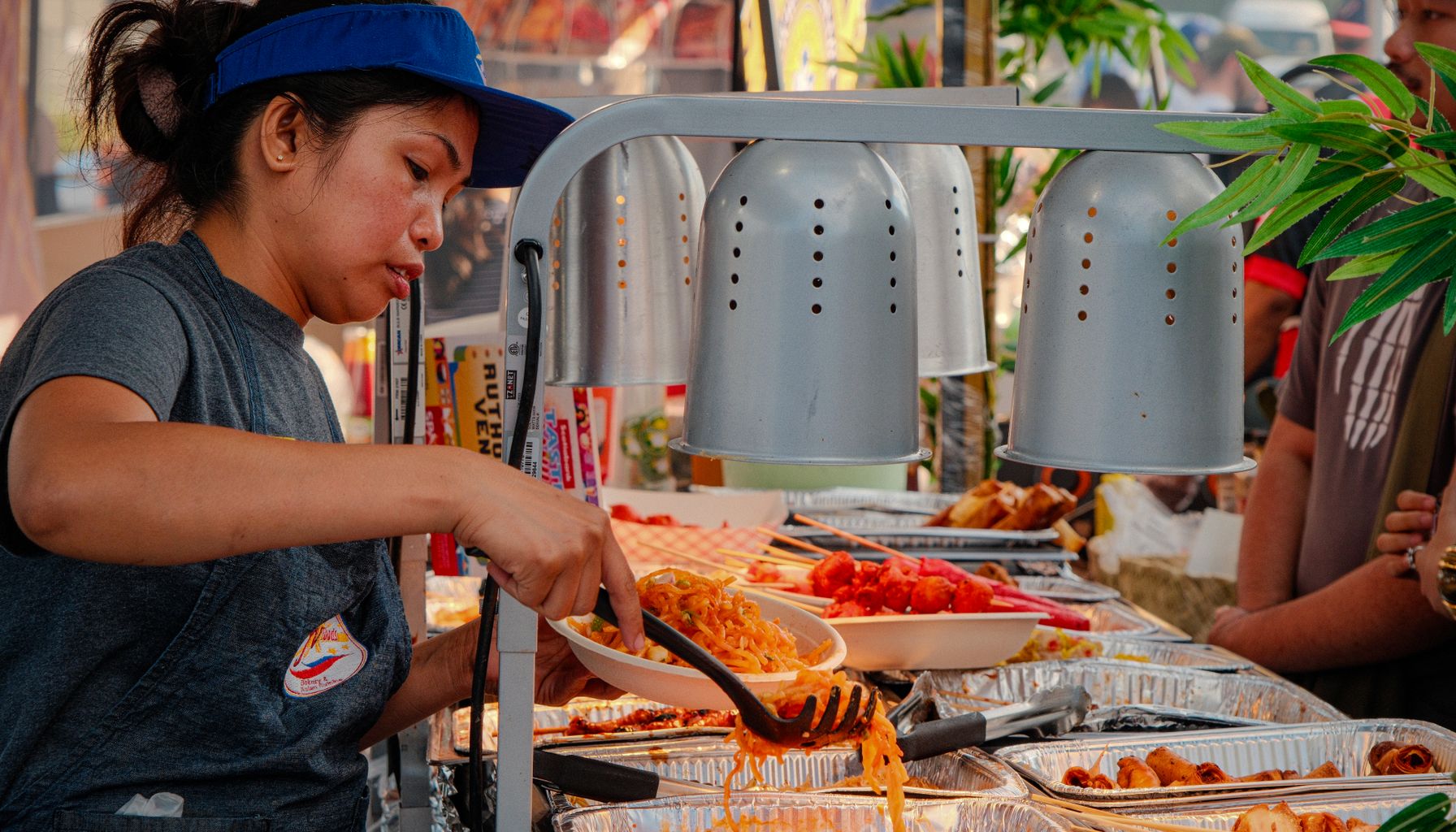
Common elements include the central square as a stage, communal tables, food stalls (stands and gazebos), live music, and in many places, parades or historical processions. The program typically combines:
- meal services with dishes prepared by local associations,
- direct sales by producers,
- workshops, tastings, and sometimes culinary competitions.
Organizers are often proloco, volunteer associations, or the comune itself. For practical information and calendars, associations like Slow Food and local tourism sites publish regional events (https://www.slowfood.com).
When they occur: seasonality and calendar
Sagre follow seasonal cycles tied to harvest or the period of abundance of the product.
- Spring: herb, asparagus, and flower festivals (e.g., sagre di asparagi in Northern regions).
- Summer: fish, fruits, and village festivals; many municipalities plan sagre to attract July-August tourists.
- Autumn: peak season for mushrooms, truffles, new wine, and chestnuts — harvest month for vineyards and forests.
- Winter: Christmas sweets and new olive oil in some Southern regions.
Approximate calendar and examples:
- September–November: truffle sagras in Alba and various locations in Piemonte and Marche (truffle season).
- October: chestnut festivals in Tuscany and Abruzzo.
- Summer (June–August): porchetta and fish festivals along the coast.
To choose dates and specific events, consult local calendars and regional guides, in addition to tourism portals; regional newspapers and municipal sites often publish annual programs.
Planning your visit and practical tips
To enjoy a sagra:
- Arrive early or book in advance when possible; many festivals sell tickets or meal vouchers.
- Bring cash and a card: some stalls take only cash, others accept card payments.
- Expect lines at peak times; coveted items (truffles, signature dishes) can run out.
- Check accessibility and parking on the comune site or event page.
Safety and comfort tips: check weather conditions and wear appropriate clothing; follow local rules on alcohol consumption and waste disposal. To better understand daily life and services in Italy, see reports in Vida in Italia.
Economic impact, responsible consumption, and itineraries
Sagre represent a source of income for small producers, restaurants, and local associations, and help in the preservation of traditional recipes. Studies and tourism observatories highlight that these events keep local supply chains active and promote tourism outside major cities (see ENIT materials).
Responsible consumption:
- Favor slow food tastings and ask about ingredient origins.
- Prefer local products and reusable packaging when offered.
- Respect conservation practices — for example, truffles and cheeses require specific handling.
Practical itinerary: it is common to combine nearby sagre on regional trips — for example, pairing wine fairs and cheese festivals on food routes in Tuscany or Emilia-Romagna. Consult guides to Italian cuisine culinaria italiana and regional calendars to design a coherent route.
How to find sagre, etiquette, and alternatives
Where to look:
- official sites of comuni and regioni,
- calendars of associations like Slow Food (https://www.slowfood.com),
- local guides and event apps,
- reports and lists in regional and national newspapers such as Corriere della Sera (https://www.corriere.it) and ANSA.
Etiquette at sagre:
- respect the queue and service rules;
- ask about ingredients if you have allergies;
- tip when service is informal; many events are run by volunteers.
If you prefer to try typical items with fewer crowds, look for agricultural markets (mercati contadini), producer shops, and restaurants that work with DOP/IGP products — alternatives that preserve the cultural experience without the festive buzz.
Conclusion Sagre are a living part of Italy’s cultural and gastronomic map: celebrations that value local products, support small economies, and offer an authentic experience to visitors. Planning your visit in advance, checking official calendars, and adopting responsible consumption ensure the best experience of these traditional events. To keep up with agendas and news related to Italy, follow our coverage at Notícias da Itália and information about italian citizenship when needed.