Coffee in Italy: Unwritten Rules from Espresso to Cappuccino
Discover the unwritten rules of Italian coffee culture. From when to drink cappuccino to the espresso ritual: complete guide.
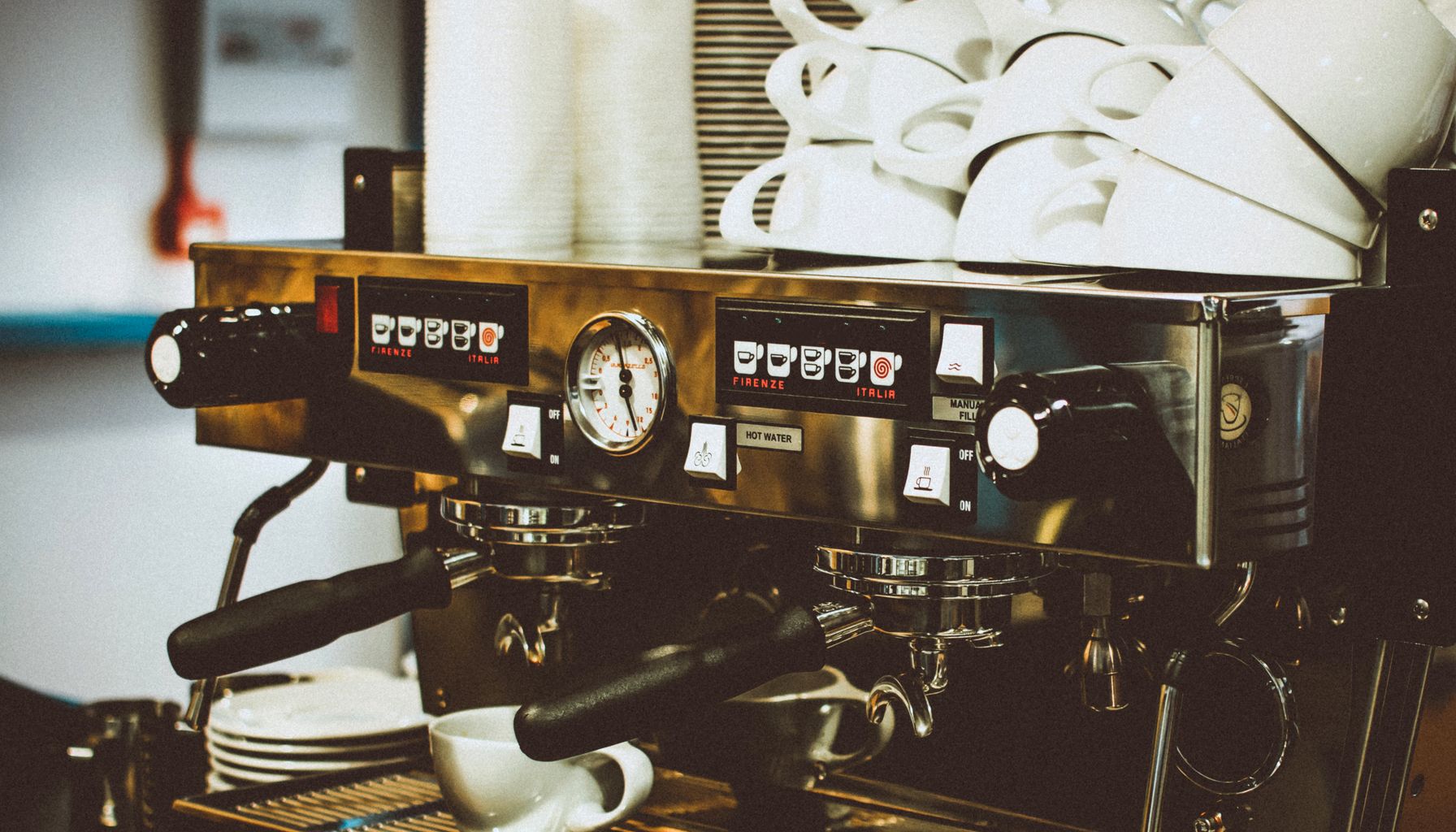
Few things reveal as much about Italian culture as coffee. More than just a beverage, espresso is a social ritual with unwritten rules that every tourist — and every descendant of Italians proud of their heritage — should know before entering a bar in Italy.
The authentic espresso ritual
Espresso is the basic unit of Italian coffee culture. When an Italian simply says "un caffè", they're referring to it: a short, strong, and concentrated shot, served in a small, pre-heated cup.
The ideal extraction takes between 25 and 30 seconds, enough time for hot water to pass under pressure through finely ground coffee and produce a full-bodied drink, with the characteristic golden crema on the surface. Less time than that results in watery coffee; more time produces bitter, burnt coffee. Italian baristas are trained to respect this window almost religiously.
Another detail that surprises visitors is the speed of consumption: espresso is drunk in one or two gulps, standing up, often in less than five minutes. It's not a lack of manners — this is how the drink was designed, to be appreciated hot and intense, not sipped slowly like American coffee.
Cappuccino: forbidden after 11am
If there is a sacred rule in Italian coffee culture, it is this: cappuccino is a morning drink. Italians consider it part of breakfast, usually accompanied by a cornetto, and practically never order it after 11am.
The logic behind this is linked to digestion. Milk is seen as too heavy to be consumed after meals or with savory dishes — especially in the afternoon or evening. Ordering a cappuccino after lunch or, worse, after dinner, is one of the most common mistakes made by tourists.
The reaction from Italians is usually polite bewilderment, sometimes a direct comment from the barista themselves. It's not hostility: it's simply the certainty that the request "doesn't make sense" within Italian food logic, which clearly separates what is drunk in the morning from what is drunk after meals. This is just one of the particularities of life in Italy that tends to catch visitors off guard.
Counter, table, and bar etiquette
The price of coffee in Italy changes depending on where you consume it. Drinking al banco (standing at the counter) is the most common and cheapest option among Italians, who take a quick break on their way to work. Sitting at a table, especially in tourist squares in cities like Roma, Firenze, or Venezia, can cost two or three times more, as it includes waiter service.
Greeting the barista with a "buongiorno" before ordering is an essential part of etiquette. The correct order is: greet, place your order, and — in many traditional bars, especially in Northern Italy — pay first at the register, receiving a receipt that is then presented at the counter. In other regions, you pay at the end. Observing what locals do before acting is always the safest strategy.
Essential variations: macchiato, ristretto, and lungo
Beyond pure espresso, some orders are part of the basic vocabulary of any Italian bar:
- Macchiato: espresso "stained" with a small amount of hot milk or foam, without becoming a cappuccino.
- Ristretto: an even more concentrated version of espresso, with less water and shorter extraction, resulting in a more intense and full-bodied coffee.
- Lungo: the opposite of ristretto — more water passes through the ground coffee, generating a longer drink and less concentrated, though still far from filtered coffee that many Brazilians are used to.
Knowing these variations avoids misunderstandings at the counter and helps you order exactly what you want, without relying on approximate translations.
Iced coffee: only in summer, and not the same way everywhere
Iced coffee in Italy follows its own logic and is also seasonal: practically restricted to the warm months. Outside of summer, ordering a cold version usually causes surprise in more traditional bars.
There is also an important regional difference. The caffè shakerato — espresso shaken with ice and sugar in a cocktail shaker, served in a cup, common in Northern Italy — is different from the caffè freddo, more popular in the South, especially in Sicilia, where it is served already sweet and cold, often prepared in advance. Both are Italian responses to summer heat, but follow distinct recipes and traditions depending on the region.
The Moka and coffee at home
At home, the most traditional instrument is the Moka pot, created in 1933 and still present today in most Italian kitchens. It works by steam pressure: heated water in the lower section rises through the ground coffee and deposits, already ready, in the upper compartment.
Despite being an essential part of daily routine, many Italians still prefer to drink "real" coffee at the bar, where professional espresso machines achieve pressure and temperature that the Moka cannot fully replicate. This is why the corner bar remains a daily destination, even for those who have a Moka at home.
For those who want to replicate Italian coffee in Brazil, some care makes a difference: use finely ground coffee (but not as fine as espresso), don't let the water boil before assembling the pot, and remove the Moka from the stove as soon as the coffee starts to rise, avoiding the bitter taste of overheating.
Mistakes every tourist makes
Finally, some precautions avoid typical gaffes from those unfamiliar with Italian coffee culture:
There is no "American coffee" in the vocabulary of a traditional Italian bar — the closest order, when you want something weaker, is the caffè lungo.
Sugar is optional and fully acceptable — many Italians sweeten their espresso without any judgment, contrary to what people think. What really distinguishes local habit is the social role of coffee: more than an energy drink, it's a reason for brief pauses and quick conversations with colleagues, neighbors, and friends, repeated several times a day.
Understanding these unwritten rules is a way to dive deeper into Italian cuisine and the country's customs. For those following news from Italy or eyeing the possibility of living there — including through the recognition of Italian Citizenship — mastering the small coffee ceremony is one more step to feeling part of Italian daily life, and not just a passing visitor.