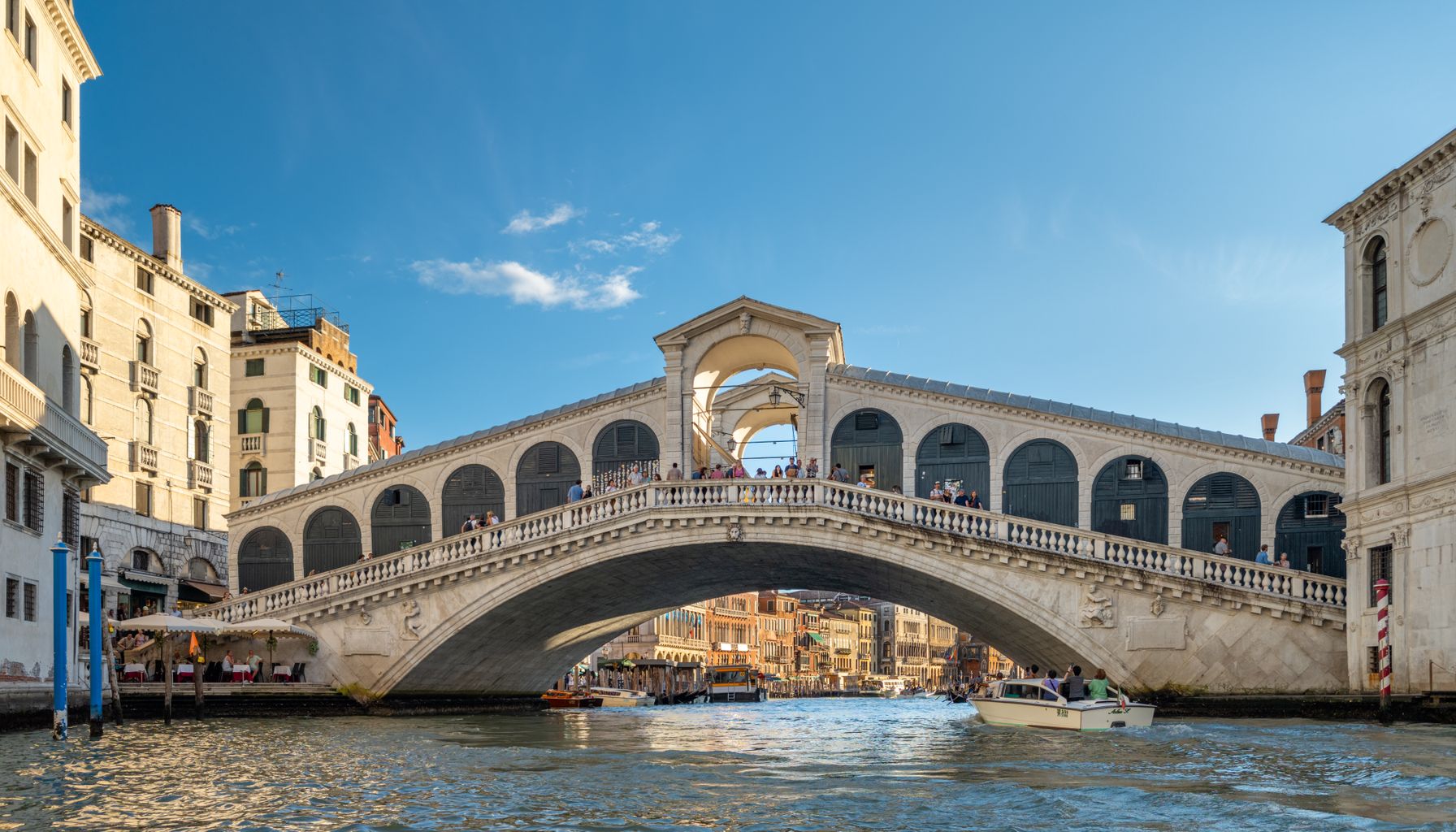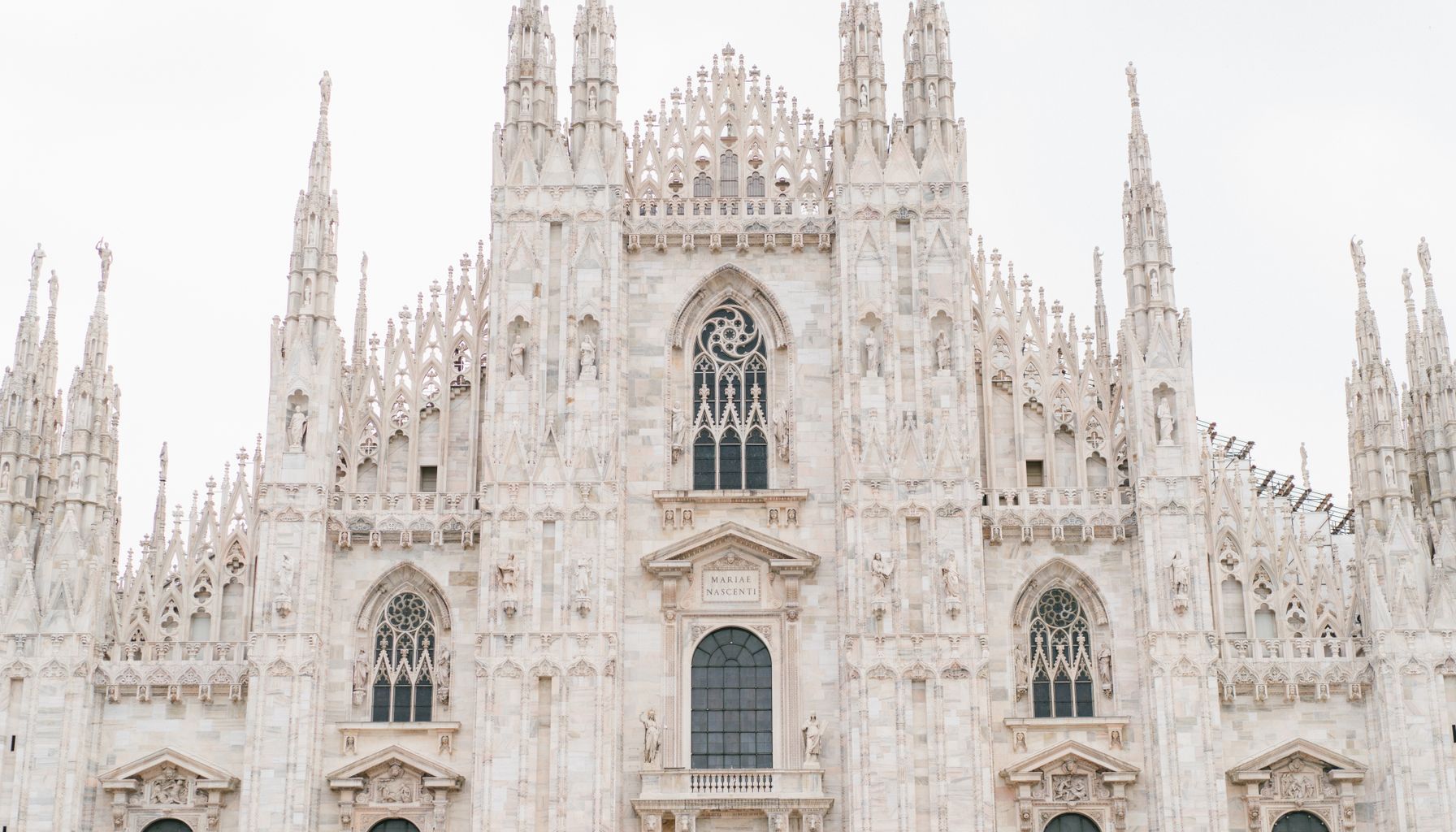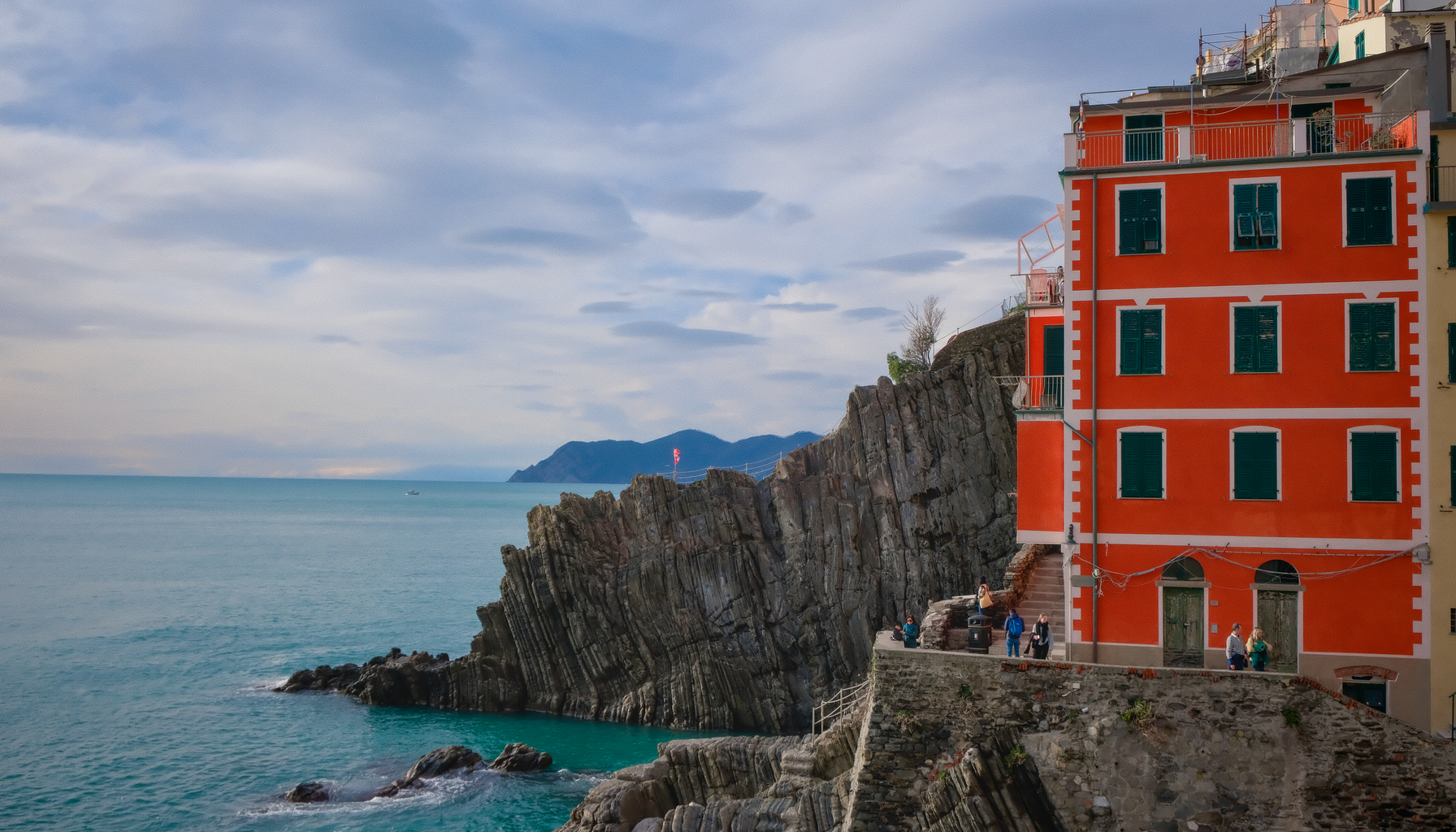
Best Time to Visit Italy in 2026: Complete Guide
Discover the best time to visit Italy in 2026: month-by-month weather, lodging prices, crowds at tourist spots, and tips to save money.
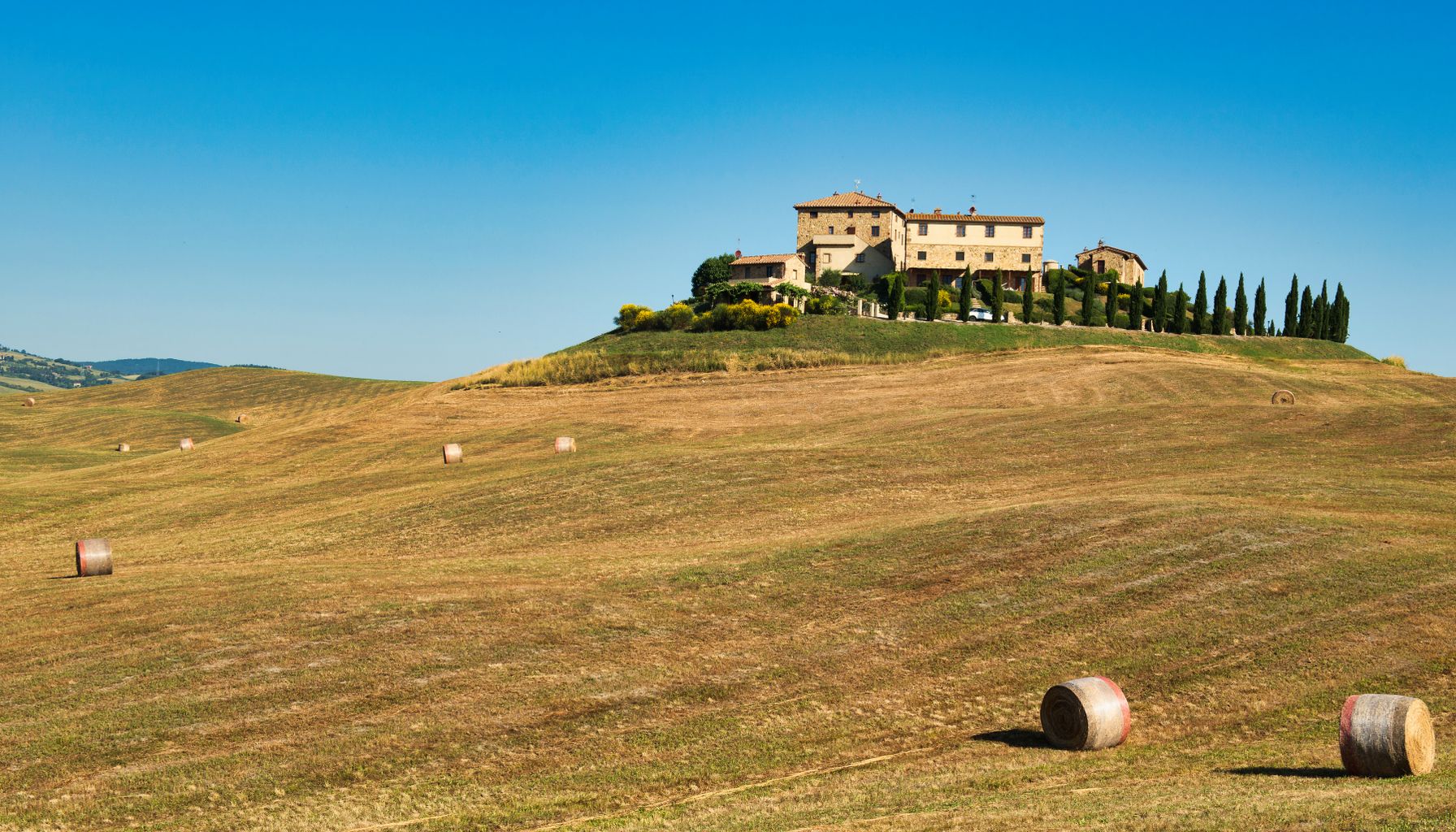
Choosing the right time to travel to Italy in 2026 can mean saving hundreds of euros and avoiding exhausting lines at major tourist attractions. The country offers completely different experiences depending on the season, and understanding these variations is essential for planning an itinerary that matches each visitor's budget and travel style.
Why timing makes all the difference
The choice of travel period directly impacts three factors: total budget, weather comfort, and the experience at tourist attractions. Flights and hotel rates can vary significantly between high and low season, especially in destinations like Rome, Venice, and Florence.
The weather isn't uniform either. While northern Italy has harsh winters and milder summers, the south and the islands see high temperatures for most of the year, with scorching summers. This geographic variation means the "best time" changes depending on the region chosen.
Finally, seasonality directly affects the practical experience: museums, churches, and attractions like the Colosseum and the Uffizi Gallery face much longer lines between June and August than in March or November. Anyone looking for crowd-free photos and more relaxed sightseeing needs to factor this in when planning a 7-day itinerary in Italy.

Spring (March to May): a balance between weather and prices
Spring is considered by many travelers to be the ideal period to visit Italy. Mild temperatures, generally between 59°F and 72°F (15°C to 22°C), make walking through historic cities much more pleasant than in the summer heat.
Between April and May, the landscape also helps: Tuscany is covered in blooming fields and deep green tones, while the Veneto region, especially around Lake Garda, takes on vibrant colors that contrast with the blue waters.
Lodging and flight prices are still moderate during this period, particularly in March and early April, before the peak of high season. One important caveat is Easter, which tends to bring heavy tourist traffic to cities like Rome and the Vatican, driving up prices and crowding attractions due to religious celebrations.
Summer (June to August): high season and crowds
European summer is synonymous with high season in Italy, and it comes with intense heat, especially in the south of the country and on islands like Sicily and Sardinia, where temperatures frequently exceed 95°F (35°C).
This is the period with the highest prices of the year for flights and lodging, especially in coastal destinations and major historic cities. July and August also coincide with school vacations in several European countries, which further increases demand.
One detail that often surprises first-time travelers: in August, many Italians go on vacation, and it's common to find shops, restaurants, and even services closed in smaller towns, especially during Ferragosto week (the August 15th holiday).
On the other hand, summer is without a doubt the best time for those seeking beaches and coastline, making it the most sought-after season to visit the Amalfi Coast 2026: complete guide and costs, with its warm waters and cliffside towns.
Fall (September to November): the experts' favorite season
Many travel agents and Italy connoisseurs point to fall, especially September, as the ideal season to visit the country. The weather is still warm and pleasant, but the volume of tourists already begins to drop considerably compared to the summer peak.
This is also the grape and olive harvest season, especially in regions like Tuscany, Piedmont, and Umbria, which attracts travelers interested in food tourism and wine tourism. Participating in a harvest or visiting wineries during this time is a highly valued experience for those seeking something beyond the traditional tourist spots.
Starting in October, lodging and flight prices begin to drop progressively, making this month a good alternative for those who want to save money without facing the winter cold. By November, rain becomes more frequent, especially in the north and center of the country, which requires more flexible planning for outdoor activities.
Winter (December to February): savings and fewer crowds
Winter is the season with the lowest prices of the year for lodging and flights, making it an excellent option for travelers on a tighter budget or those who prioritize avoiding crowds.
December brings special charm to cities in the north, with traditional Christmas markets in places like Bolzano, Trento, and Milan, creating a festive atmosphere that attracts visitors even in the cold. The Christmas decorations and cozy atmosphere make up for the low temperatures, for many.
The cold, however, can be intense, especially in the Alps and in the north of the country, with shorter days and fewer hours of sunlight. On the other hand, it's a great time to visit museums and monuments without the long lines typical of summer — Rome and Florence, for example, are much calmer to explore for their historical heritage between January and February.
Regional comparison: when to go to each part of Italy
Italy shouldn't be treated as a single destination when it comes to seasonality. Each region has its own ideal calendar:
- North (Milan, Venice, the lake region): the period between May and September usually offers the best balance between pleasant weather and attraction availability, since winters there can be quite harsh.
- Center (Rome, Tuscany, Umbria): spring and fall are the most recommended seasons, avoiding the extreme heat of Roman summers and the more intense cold of winter.
- South and islands (Sicily, Sardinia, Amalfi Coast): summer is unbeatable for those seeking beach and sea, but fall stands out for those who prioritize culture, cuisine, and sightseeing without excessive heat.
Practical tips for choosing your ideal dates
Before finalizing your travel dates, it's worth considering a few practical points that make a difference in planning:
- Check the Italian holiday calendar before setting your itinerary. Dates like Easter, Ferragosto, and regional holidays can significantly change prices and crowd levels in cities.
- Book in advance even outside of high season. Flights and lodging in highly sought-after cities like Venice and Florence can sell out of the best options even during months considered low season.
- Cross-reference weather information with the documentation required for the trip. Anyone planning to stay for longer periods or already considering a future move to Italy should carefully check the documents required to travel to Italy, since requirements and timelines can vary depending on the purpose of the trip.
Those with Italian ancestry who plan to use the trip to look into their own genealogy might also consider searching for records in Italy, an important step for anyone considering starting an Italian Citizenship recognition process. For those already living in or planning to move to the country, it's also worth following content about Life in Italy and the main News from Italy before departing.
There's no single answer to what the best time to visit Italy in 2026 is — it all depends on what the traveler is looking for. Those who prioritize savings and tranquility will find good opportunities in winter and early spring. Those dreaming of beaches and vibrant nightlife should prepare for summer prices and crowds. Fall, in turn, combines the best of both worlds and tends to be the most balanced choice for most types of travelers.