Amalfi Coast: The Complete Guide to Costs and Trips
Definitive guide to the Amalfi Coast: trails, sights, transit, lodging, and cost estimates to plan an economical, comfortable trip.
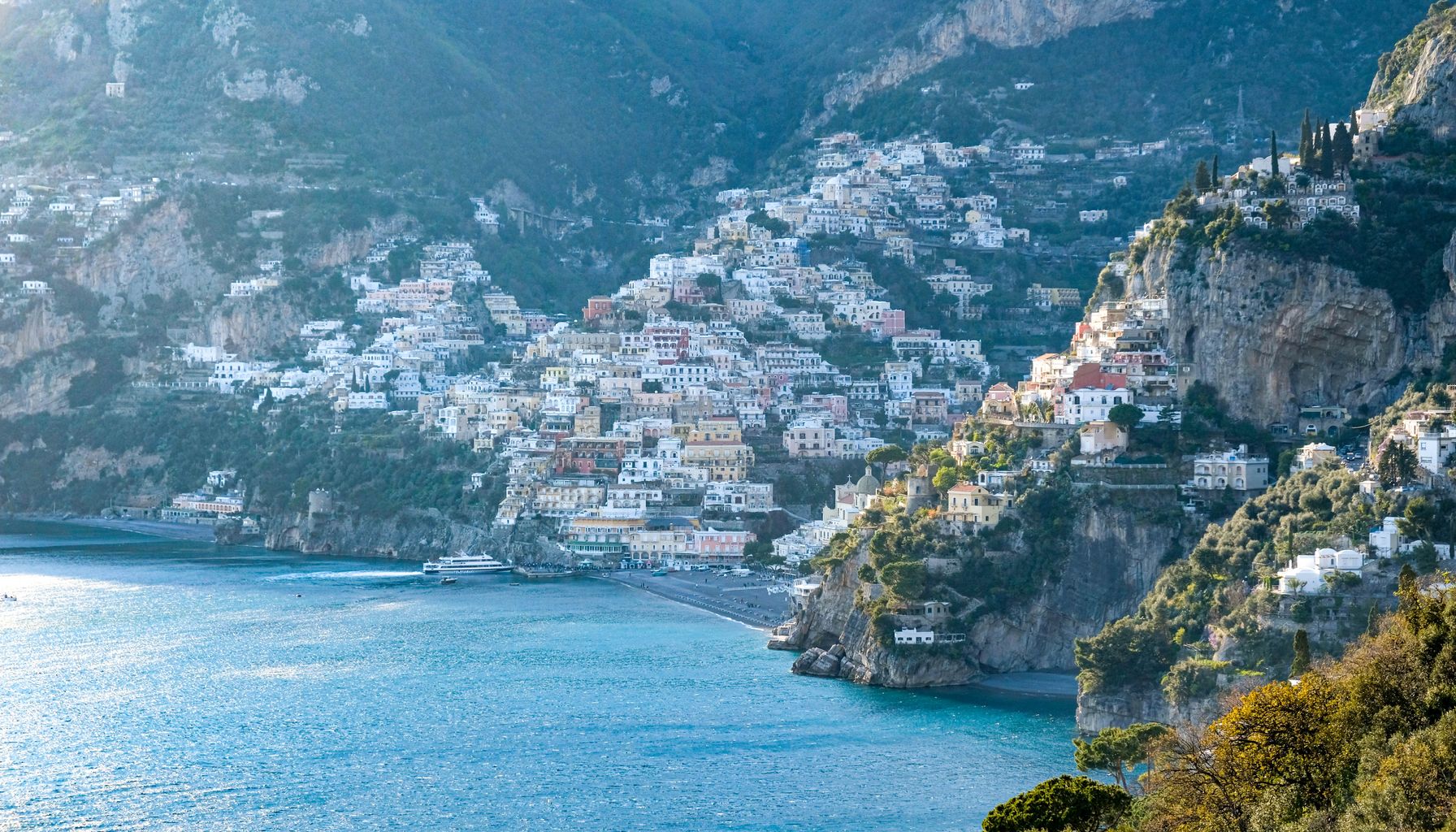
The Amalfi Coast, in southern Italy, is famous for steep villages, scenic roads, viewpoints, and a jagged coastline. This guide provides practical information on transportation, itineraries, hikes, costs, and experiences for a 3 to 5 day visit, with tips to save money without sacrificing the essentials.
Regional overview: what to expect from the Amalfi Coast
The Amalfi Coast (Costiera Amalfitana) stretches along the coast between Sorrento and Salerno, with towns such as Positano, Amalfi, Ravello and Praiano. Expect winding roads and panoramic views, small beaches (many pebbled), seafood restaurants, and crowds in peak season. According to the official site of the Campania region, the tourism infrastructure prioritizes summer and spring to welcome visitors (Regione Campania Turismo).
Best months to visit and climate considerations
- Peak season: June to August — hot weather and large crowds; higher prices.
- Shoulder seasons ideal: May, September, and early October — mild temperatures, shorter lines.
- Off-season: November to March — reduced services (some boats and hotels close) and unstable weather. Weather data from local meteorological stations and travel guides confirm that May and September offer the best balance of climate and visitor movement (see comparisons in guides like Lonely Planet and regional sites).
Getting around: rental, train, bus, and boat
- Train: to reach the region, the railway runs through Sorrento and the Napoli–Salerno line; from Naples it’s common to reach Sorrento by train (Trenitalia and Circumvesuviana). Check schedules at Trenitalia (trenitalia.com) and Circumvesuviana.
- Bus: the SITA/Travelmar company covers connections between coastal towns; lines are frequent but can be affected by traffic on the coastal roads (Sita Sud).
- Boat: ferries and high-speed services connect Positano, Amalfi, Praiano and Capri in spring/summer. Advance reservations are recommended in peak season (information on regional sea transport portals).
- Car: rental offers flexibility, but driving requires care on tight curves and limited parking; many visitors opt to leave the car in lots outside town centers. For short trips, buses and boats are often more practical.
Main towns and viewpoints: Positano, Amalfi, Ravello, and Praiano
- Positano: postcard-perfect, stairways between shops and the Fornillo/Marina Grande beaches. A natural lookout for photos of the colorful facades.
- Amalfi: former maritime republic, with the Cathedral of Saint Andrew and the historic center.
- Ravello: famous for gardens like Villa Rufolo and Villa Cimbrone, with viewpoints offering spectacular vistas and classical music events.
- Praiano: a calmer option, great for sunsets and hikes.
Suggested 3–5 day itinerary
- 3 days (essential): day 1 — Positano; day 2 — Amalfi + Duomo; day 3 — Ravello + viewpoints and a relax in Praiano.
- 4 days: add a boat trip to Capri or to sea caves; extra beach time.
- 5 days: include the hike to Sentiero degli Dei (Path of the Gods) and a free day for the Amalfi Coast road’s curves.
Hiking tips: trails, access, and difficulty
- Sentiero degli Dei (Path of the Gods): the most famous trail between Agerola/Nocelle and Positano; uneven terrain, steep descents — moderate difficulty, suitable for those with basic fitness. Information and maps are available in local guides and trekking portals.
- Local Ravello trails: short hikes with steep sections between villages and gardens.
- Bring proper footwear, water, and avoid the warmest parts of the day in summer. For access and safety details, consult municipal notices on town pages.
Travel costs: lodging, food, and tours
We present estimates based on market research and booking platforms in 2026 (Booking, Numbeo) and travel guides; prices vary by season and advance booking.
Lodging:

- Simple hostel/inn: limited options on the coast; expect lower prices in towns like Sorrento nearby.
- 3-star hotels: generally mid-range.
- Boutique/4–5 star hotels and sea-view properties (in Positano/Ravello): significantly higher prices.
- Early bookings and staying in Sorrento or Salerno can reduce costs; use booking platforms to compare.
Dining:
- Local trattoria meals (main course): moderate cost; cafes and pizzerias tend to be cheaper.
- Restaurants with sea views or tourist menus have higher prices.
- Local markets/groceries allow economical meals.
Tours and tickets:
- Boat trips, grotto visits, and villa admissions have their own tariffs and often rise in peak season.
- Concerts in Ravello (when on) have separate tickets.
Daily budget estimates by traveler type
The ranges below are indicative estimates, subject to seasonal variation and personal choices. Sources: Booking, Numbeo, and tour operator sites (check before travel).
- Budget traveler: simple lodging in Sorrento/hostel, economical meals, bus use — approximate daily budget.
- Standard traveler: 3-star hotel, meals at trattorias, one boat trip — approximate daily budget.
- Comfort traveler: boutique hotel with a view, dining at restaurants, private tours — approximate daily budget.
(Note: for numeric values, consult real-time booking platforms and cost-of-living data on Numbeo.)
How to save without sacrificing quality
- Stay in Sorrento or Salerno and use boat/bus to reach the coast.
- Travel in the shoulder seasons (May, September).
- Buy ferry tickets and routes in advance outside peak times.
- Have lunch at trattorias away from central viewpoints and reserve scenic restaurants for special dinners.
Must-see attractions and unique experiences
- Villa Rufolo and Villa Cimbrone (Ravello) — gardens and viewpoints.
- Amalfi Cathedral and local museums.
- Strolling the Positano center and its artisanal boutiques.
- Sentiero degli Dei for panoramic views.
Boat trips and grotto visits
Boat tours let you explore coves, small beaches accessible only by sea, and grottoes (e.g., Emerald Grotto, when operating). Public ferries and private operators run regular routes in season; check schedules and book at the local port site or with regional operators.
Local gastronomy: typical dishes and good places to eat
- Classic dishes: grilled fresh fish, spaghetti alle vongole, limoncello (local liqueur), dishes featuring Amalfi lemons.
- Where to eat: small trattorias and family-run restaurants in villages often offer the best quality-to-price ratio; for gastronomic experiences, look up updated reviews on travel platforms.
Practical planning: entrance, local transport, and advance tickets
- Ferry tickets and excursions: buy in advance during peak season.
- Parking: limited in town centers; anticipate parking costs and, if possible, use public transport.
- Transfer options: private services or shared transfers between airports (Naples) and the coast.
- Official schedules and fares: consult Trenitalia (trenitalia.com), local ports, and ferry companies.
Safety and health during travel
- Narrow roads require attention when driving; local buses may face delays due to traffic.
- In summer, protect yourself from the sun and stay hydrated on hikes.
- Health services: hospitals in larger towns; it is advisable to have travel insurance covering assistance and repatriation.
For news related to life and legislation in Italy, follow official sources and reliable outlets, such as ANSA and regional portals. Raízes Italianas features content on turismo, Vida na Itália, and updates in Notícias da Itália.
Conclusion: The Amalfi Coast brings together unique landscapes, great cuisine, and scenic routes — with proper planning (season choice, early bookings, and transport decisions) you can craft a 3 to 5 day itinerary that combines must-see experiences with cost control.