Veneto Cuisine: Traditional Dishes of Italian Immigrants
Discover the traditional dishes of Veneto, the region that sent the most immigrants to Brazil, and how these recipes crossed the ocean to become family tradition.
Between the end of the 19th century and the first decades of the 20th century, thousands of families from Veneto left the Northeast region of Italy bound for Brazil, fleeing the rural poverty that worsened after Italian unification. Along with a few suitcases and the hope of starting over, these families brought recipes, table customs, and a way of cooking that survives to this day in thousands of descendant households.
Veneto and the largest wave of Italian emigration
Veneto was, by far, the region that sent the most immigrants to Brazil during the great Italian migratory flow. Between 1875 and the early 20th century, Veneto peasants left impoverished villages — many of them hit by agricultural crises and the fragmentation of small properties — in search of land to work in the New World.
The destination for a large part of these immigrants was southern Brazil, especially the areas that today make up the Serra Gaúcha, in Rio Grande do Sul, but also regions of Santa Catarina and northern Paraná. There, the Veneto immigrants founded colonies, built churches and schools, and — what would become one of the strongest links to their homeland — kept their kitchens alive.
Over the generations, cuisine became one of the most lasting bonds between descendants and Italy. While the language gradually faded and customs blended with Brazilian culture, family dishes continued to be prepared on Sundays, at religious festivals, and on family gathering occasions. Those interested in understanding this process more deeply can consult the full history of Italian immigration to Brazil, which helps explain why certain Brazilian regions still carry such striking traces of Veneto culture today.

Polenta: the symbolic dish of the Veneto table
No food represents Veneto cuisine as well as polenta. Made from cornmeal, it was born as a survival dish among poor Veneto peasants, at a time when meat was a rare and expensive item on rural family tables.
In the original Veneto, polenta was slowly cooked in large copper pots, stirred constantly until it reached its characteristic firm, creamy consistency. It accompanied everything from cheeses and simple cured meats to more elaborate dishes, such as game meats and stews.
Upon arriving in Brazil, Veneto immigrants kept the recipe but had to adapt to the ingredients available in the new land. Polenta began to accompany pork raised in the colonies themselves, free-range chicken, and tomato sauces made from what was grown on small properties. Variations emerged, such as fried polenta, polenta with colonial cheese, and even more recent versions with sausage-based sauces — adaptations that today are part of the emotional repertoire of descendant families throughout southern Brazil.
Radicchio, baccalà, and other traditional ingredients
Besides polenta, Veneto cuisine is marked by ingredients that carry centuries of tradition. Baccalà alla vicentina — cod slowly cooked in milk, onion, and olive oil, typical of the city of Vicenza — is one of the region's most emblematic dishes and still appears today on special occasions among descendant families, especially on Christmas Eve.
Radicchio, a purple-leaved vegetable with a slightly bitter flavor, is also a central ingredient in everyday Veneto cooking, used in salads, risottos, and even grilled as a side dish. Its presence is so strong in the region that cities like Treviso lend their name to specific varieties of the vegetable, cultivated for generations.
In Brazil, however, many of these ingredients were difficult or impossible to find in the early decades of colonization. This led immigrants to create creative substitutions: cod, an expensive and scarce item in the countryside, was often replaced by river fish available near the colonies, while radicchio was substituted with other green leaves grown in family gardens. These adaptations, though far from the original recipe, kept the essence of the dish alive — and show how cuisine became a form of cultural resistance in a foreign land.
Wines and the tradition of family cellars
Veneto is one of Italy's most important wine regions, home to famous labels like Prosecco, produced in the hills of Valdobbiadene and Conegliano. The region's relationship with grapes and wine is ancient, and it was no different among the immigrants who crossed the Atlantic.
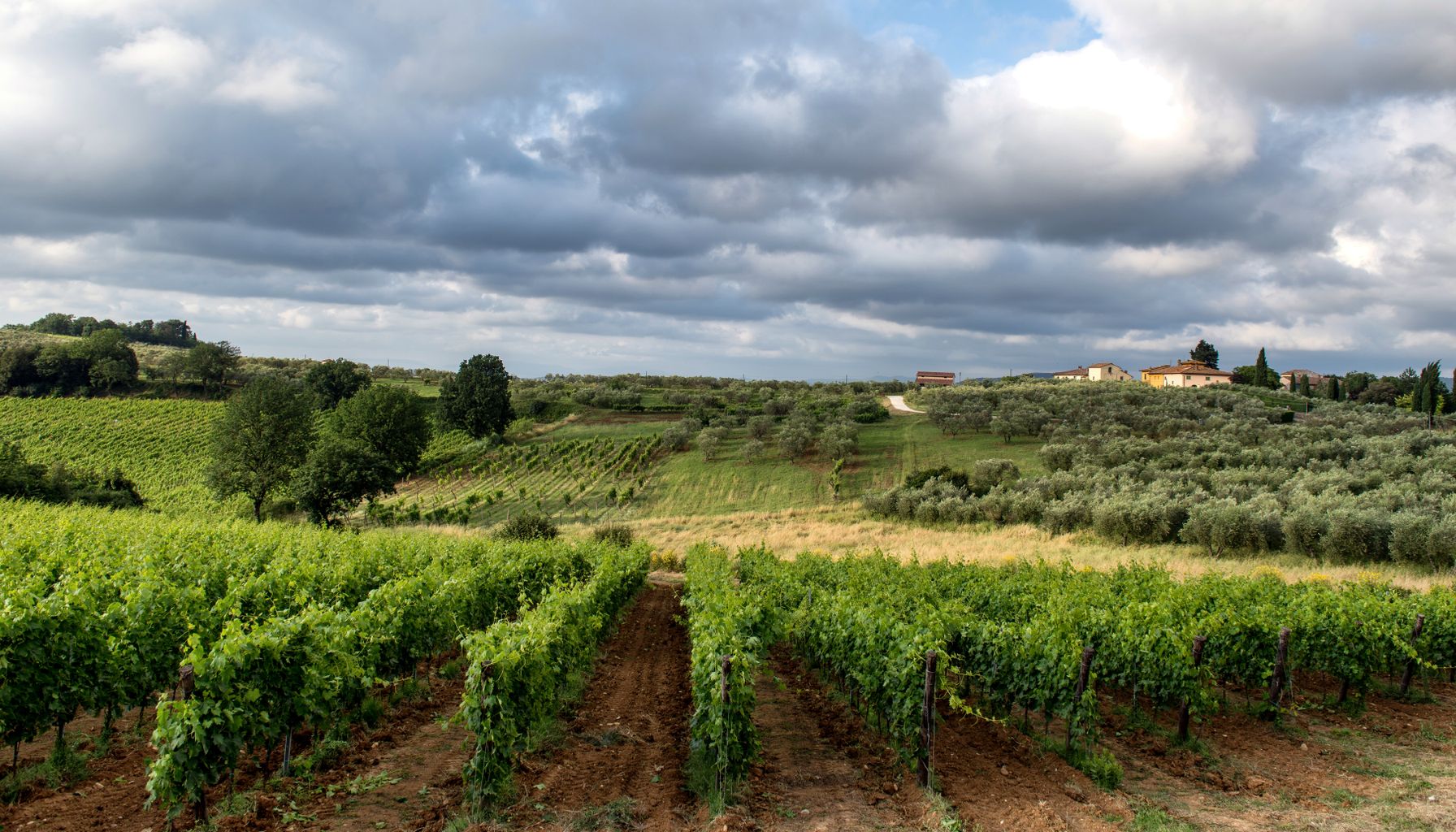
Upon settling in Brazil, many Veneto families brought grapevine cuttings and artisanal winemaking knowledge with them, giving rise to the country's first family wineries. This tradition flourished especially in the Serra Gaúcha, in cities like Caxias do Sul, Bento Gonçalves, and Garibaldi, which today form one of the most important wine hubs in Latin America.
The home cellars, initially intended only for personal consumption and colony celebrations, gave rise to wineries that became national references. To this day, many of these companies are run by direct descendants of those first immigrants, who maintain recipes and production methods passed down from generation to generation — a clear example of how the Veneto heritage went beyond the kitchen and also shaped the regional economy.
Festive dishes and special occasions
While the daily life of Veneto families was marked by the simplicity of polenta and the ingredients available on the farm, special occasions called for more elaborate recipes. Weddings, baptisms, and religious festivals — especially Christmas — were moments when the table featured dishes prepared with more time and ingredients saved throughout the year.
Among the typical sweets, pandoro, a Christmas dessert originally from Verona, is one of the best-known symbols of Veneto confectionery, with its buttery dough and star shape. In Brazil, the recipe became popular among descendants from various Italian regions, but it kept a strong connection to Veneto Christmas traditions, appearing alongside other regional sweets at family dinners.
These traditions survive, above all, at colony festivals held in cities across southern Brazil, where descendant communities recreate dishes, dances, and celebrations year after year that directly recall life in 19th-century rural Italy. These festivals function as true living museums of Veneto culture, preserving recipes that might otherwise be lost over the generations.
Veneto cuisine today: between memory and reinvention
Today, Veneto cuisine in Brazil is experiencing a moment of balance between preservation and reinvention. Several restaurants specializing in Italian cuisine in southern Brazil keep traditional dishes such as polenta, baccalà, and radicchio-based risottos on their menus, often prepared following recipes passed down from great-grandparents to grandchildren. At the same time, chefs and home cooks have been promoting a natural fusion between Veneto cuisine and Brazilian ingredients, creating dishes that bridge both cultures — such as polenta with tropical spice touches or reinterpretations of Christmas sweets with local fruits.
This process of reinvention is only possible thanks to the often quiet work of families dedicated to documenting old recipes, interviewing older relatives, and writing down what was once passed on only orally. For those who want to explore this world further, it's worth checking out more recipes and traditions of Italian cuisine available on the portal, which help keep this heritage alive among new generations.
Veneto cuisine, therefore, is not just a collection of recipes — it is a living record of the journey of thousands of families who crossed the ocean and rebuilt, dish by dish, a piece of Italy on Brazilian soil. For many descendants, these table traditions go hand in hand with the growing interest in formally reclaiming their own roots, whether by researching the history of Italian immigration to Brazil or seeking information about Italian citizenship by descent.