Maib Launches in Curitiba to Run in Comites Elections
Maie launches Maib, a Brazilian movement for Comites elections; Merlo and Tirelli discuss Italian citizenship and electoral reform abroad.

The Movimento Associativo Italiani in Brasile (Maib) was officially launched during the Maie (Movimento Associativo Italiani all'Estero) congress held in Curitiba, at the Palácio Garibaldi, on August 21. The new group was created with the goal of organizing Brazilian slates to run in the Comites (Comitati degli Italiani all'Estero) elections, according to Insieme.
What Maib Is and Why It Was Created
Maib emerges as the Brazilian political organizing arm focused on the Comites elections, the councils that represent Italian communities abroad before the consulates. According to Insieme, leader Walter Petruzziello explained during the event that creating a separate group for Brazil has a clear strategic purpose: to prevent Brazilian slates from being automatically associated with the Argentine Maie, which is already well established in other Latin American countries.
The initiative reflects a broader movement toward political organization within the Italian-Brazilian community, which seeks its own voice in discussions about consular representation and in debates involving Italian citizenship and the rights of descendants of Italians living in Brazil.
Who Attended the Congress
The congress in Curitiba brought together major figures from Italian-Brazilian associationism and Italian politics abroad. In attendance were Ricardo Merlo, an Italian senator elected from the Overseas Constituency and founder of Maie, along with Franco Tirelli, Luciana Laspro, and Walter Petruzziello, according to Insieme.

The event was livestreamed by Revista Insieme via YouTube, Facebook, X, and LinkedIn, allowing descendants of Italians in different regions of Brazil to follow the discussions about the future of the community's political representation abroad.
How the Comites Elections Will Work
One of the central topics discussed at the congress was the practical workings of the Comites elections. The Curitiba constituency, which covers the states of Paraná and Santa Catarina, will elect 18 councilors, and candidate slates will need to gather more than 200 signatures to qualify their candidacies, according to Insieme.
Another key point was the reverse opt-in mechanism, a system under which voters must register in advance with the consulate in order to vote in the Comites elections. Without this prior registration, voters are automatically excluded from the electoral process.
Luciana Laspro criticized the bureaucracy involved in this process and advocated for digital alternatives to make voting easier, citing the difficulties faced by voters in the São Paulo region, as reported by Insieme. The criticism points to a recurring problem: the physical distance between consulates and Italian-Brazilian communities, often spread across vast regions, makes effective participation in consular elections difficult.
Italian Citizenship and Electoral Reform Under Debate
The congress also served as a platform for discussions about recent changes to the rules governing access to Italian citizenship. Ricardo Merlo described as unfair the restrictions imposed by Decreto Tajani (Decreto-Lei 36/2025, converted into Lei 74/2025), which limited the transmission of citizenship by descent to children and grandchildren born abroad.
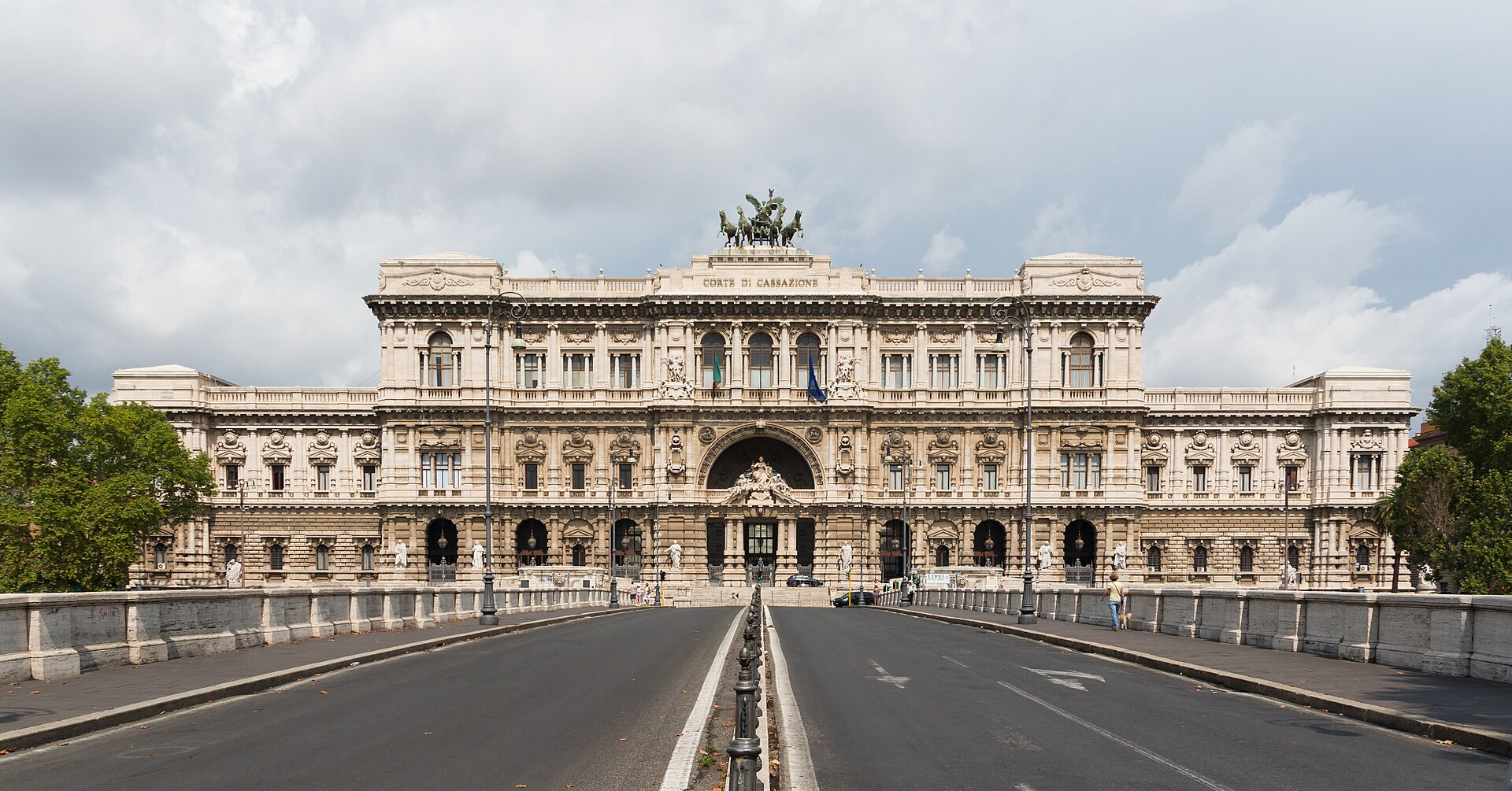
According to Insieme, Merlo advocated for an alternative that would allow applicants to prove their connection to Italy through knowledge of the Italian language and culture, suggesting a B1 proficiency level as a possible benchmark. The senator also mentioned that he sees roughly a 50% chance of success in the ongoing legal battle over the retroactivity of the decree — an issue currently under review by the Sezioni Unite of the Corte di Cassazione, which has been asked to decide whether a law can retroactively apply to a person's birth in order to extinguish a citizenship right they had held since then.
Merlo also defended maintaining the four divisions of the Overseas Constituency in the Italian Parliament, a structure that guarantees direct political representation for Italian communities around the world, including in Brazil. For those following news from Italy related to citizenship, the topic remains one of the most sensitive on Italy's political agenda abroad.
Why This Matters for Descendants in Brazil
The organizing efforts around Maib and the discussions held during the Maie congress in Curitiba have direct relevance for descendants of Italians in Brazil. The Comites elections determine who will represent the Italian-Brazilian community before the consulates, agencies that deal directly with citizenship applications, documentation, and administrative requests from descendants.
Furthermore, the debate over reforming citizenship rules and maintaining parliamentary representation for the Overseas Constituency could influence future legislative decisions on the transmission of citizenship rights by descent — a topic that already underwent significant changes in 2025 and remains contested in Italian courts.
Descendants following these developments and trying to understand how the changes may affect their own applications can rely on specialized Italian citizenship assistance and certificate search services in Italy to organize the necessary documentation. To follow other developments in Italian political and social life, the site also features content about life in Italy for those planning to move or already living in the country.
The launch of Maib marks another chapter in the political organization of the Italian-Brazilian community, gaining momentum precisely at a moment of uncertainty over the future of Italian citizenship rules and overseas representation in the Italian Parliament.
Want to know if you're eligible for Italian citizenship? Talk to a specialized advisory team.
Source: Insieme