Italy and Spain Extend Schengen Blockade Over Ceuta Crisis
Italy and Spain extend Schengen suspension for 15 more days after migration crisis in Ceuta; Sanchez accuses Russian and Israeli 'fake news'.
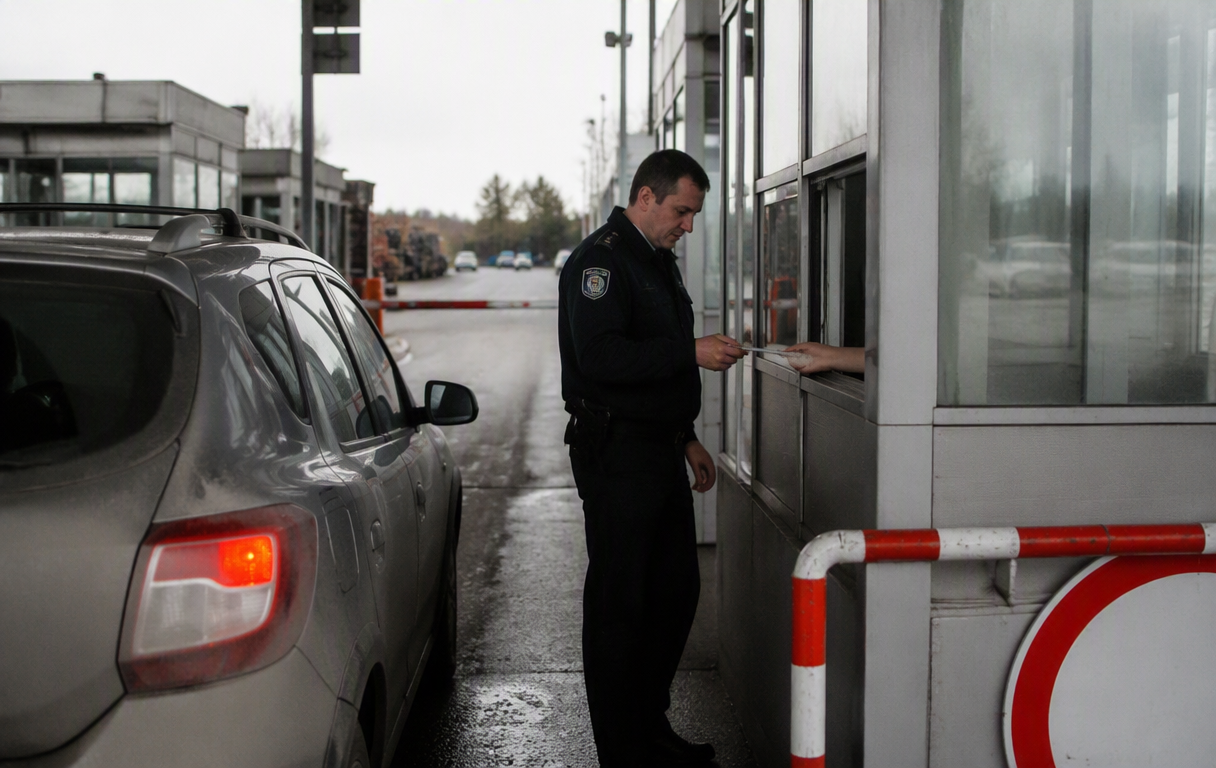
Italy has extended by 15 more days the suspension of portions of the Schengen agreement with Spain, maintaining extraordinary controls at the borders between the two countries. The measure, which has already lasted a month, stems from the migration crisis in Ceuta, a Spanish enclave in North Africa, and remains without a solution in sight, according to ANSA.
What Happened
The Italian government, led by Interior Minister Matteo Piantedosi, decided to extend the partial suspension of Schengen with Spain, a measure that had taken effect on August 1st due to the migration flow recorded in Ceuta. The 15-day extension maintains additional inspections at border checkpoints and prolongs a diplomatic standoff that has already dragged on for weeks.
In response, Spain applied the principle of reciprocity and expanded border controls for passengers coming from Italy, a measure initiated on August 8th. In practice, this means that travelers crossing the border between the two countries—by land, sea, or on certain air routes—may undergo document verification that normally does not exist within the Schengen area, a free movement zone that encompasses most European Union countries.
The standoff is being closely monitored by Italian and Spanish media, which characterize the situation as a "wall against wall" between Rome and Madrid, with no signs of immediate agreement between the two governments.
The Accusations and Response
Spanish Premier Pedro Sánchez reacted to the crisis by attributing part of the tension surrounding Ceuta to a disinformation campaign. According to Sánchez, networks linked to Russia and Israel have been spreading "fake news" about the migration situation in the enclave, aggravating the climate between the two countries and complicating a quick diplomatic solution.
The statements of Spain's head of government come amid repercussions of the episode in other European capitals. The European Commission has already confirmed that it is evaluating the reasons presented by Italy to justify the Schengen suspension, and analyzing whether the measure is proportionate to the migration situation reported in Ceuta. The Brussels body has the power to question internal border controls that deviate from bloc rules, although the final decision on whether to maintain or lift restrictions currently depends on negotiations between Rome and Madrid.
To date, neither the Italian nor Spanish government has signaled a timeline for ending the restrictions, and the new 15-day extension indicates that the dispute should remain active in the coming weeks.
Why This Matters for Brazilians
For Brazilians planning trips to Europe, especially itineraries that include Italy and Spain, the episode could mean extra verification at the borders between the two countries, even within the Schengen area—a zone that, in theory, allows circulation without passport checks among member countries. Travelers crossing the Italian-Spanish border by land, sea, or on certain air connections should allow extra time for possible document checks.
The situation deserves close attention from those who are already Italian citizens or in the process of obtaining Italian citizenship, since the European passport allows free travel and residence throughout the bloc—but does not exempt the holder from occasional checks imposed by bilateral agreements like the one currently involving Italy and Spain. Those planning to visit Italy to research archives, visit family ancestral hometowns, or submit documentation should also follow the news before finalizing itineraries that pass through both countries.
For those who already have a trip planned involving reconnecting with Italian roots, it's worth checking constant updates on Italy News and content about Life in Italy, which provide practical information about travel and bureaucracy in the country. Those in the middle of the citizenship recognition process and depend on Italian documents can also turn to certificate searches in Italy to not miss deadlines amid potential delays caused by border controls.
The episode reinforces a scenario of greater instability in circulation rules within Europe, something that directly interests Brazilians descended from Italians who depend on free movement between bloc countries to resolve documentation issues, inheritance, or citizenship recognition.
Want to know if you have the right to Italian citizenship? Speak with specialized Italian citizenship advisory services.
Source: ANSA