Cost of Living in Italy in 2026: Prices by Region
Find out how much it costs to live in Italy in 2026: rent, food, and bills by region. A complete guide for Brazilians planning to move or seek citizenship.
Anyone planning to live in Italy in 2026 needs to understand that the cost of living varies drastically between the north, center, and south of the country — a difference that can nearly double depending on the region chosen. For Brazilians seeking Italian citizenship as a path to living in Europe, understanding these numbers before embarking on the journey is essential to avoid financial surprises.
How much does it cost to live in Italy in 2026: overview
The cost of living in Italy in 2026 continues to be affected by accumulated inflation from recent years, though at a more moderate pace than what was observed in the post-pandemic period. According to data from Istat (Istituto Nazionale di Statistica), rent and food prices continue to trend upward in major cities, while the interior of the country maintains more stable costs.
For Brazilians, the euro/real exchange rate is another decisive factor in planning. With the European currency maintaining its strength against the real, the cost of living converted into reais tends to weigh more heavily on the wallet — which reinforces the importance of calculating the budget in euros rather than simply comparing prices to those in Brazil.
The regional difference is the central point for anyone considering moving. Northern Italy, more industrialized, has the highest salaries and also the most expensive rents. The center, with Rome and Florence, falls into an intermediate range, driven up by tourism. The south and the islands offer the lowest cost of living in the country, and this is also the region of origin of most descendants of Italians who today seek recognition of citizenship.

Having Italian citizenship in hand considerably eases the life of anyone who wants to move: with a European passport, there is no need for work or residence visas, which opens direct access to the local job market, housing without additional bureaucracy, and the Italian public healthcare system. Anyone who hasn't yet started the process can learn how to obtain Italian citizenship before planning the move.
Northern Italy: Lombardy, Piedmont, and Veneto
The north is the most expensive region in the country, but also the one offering the most job opportunities and the highest salaries.
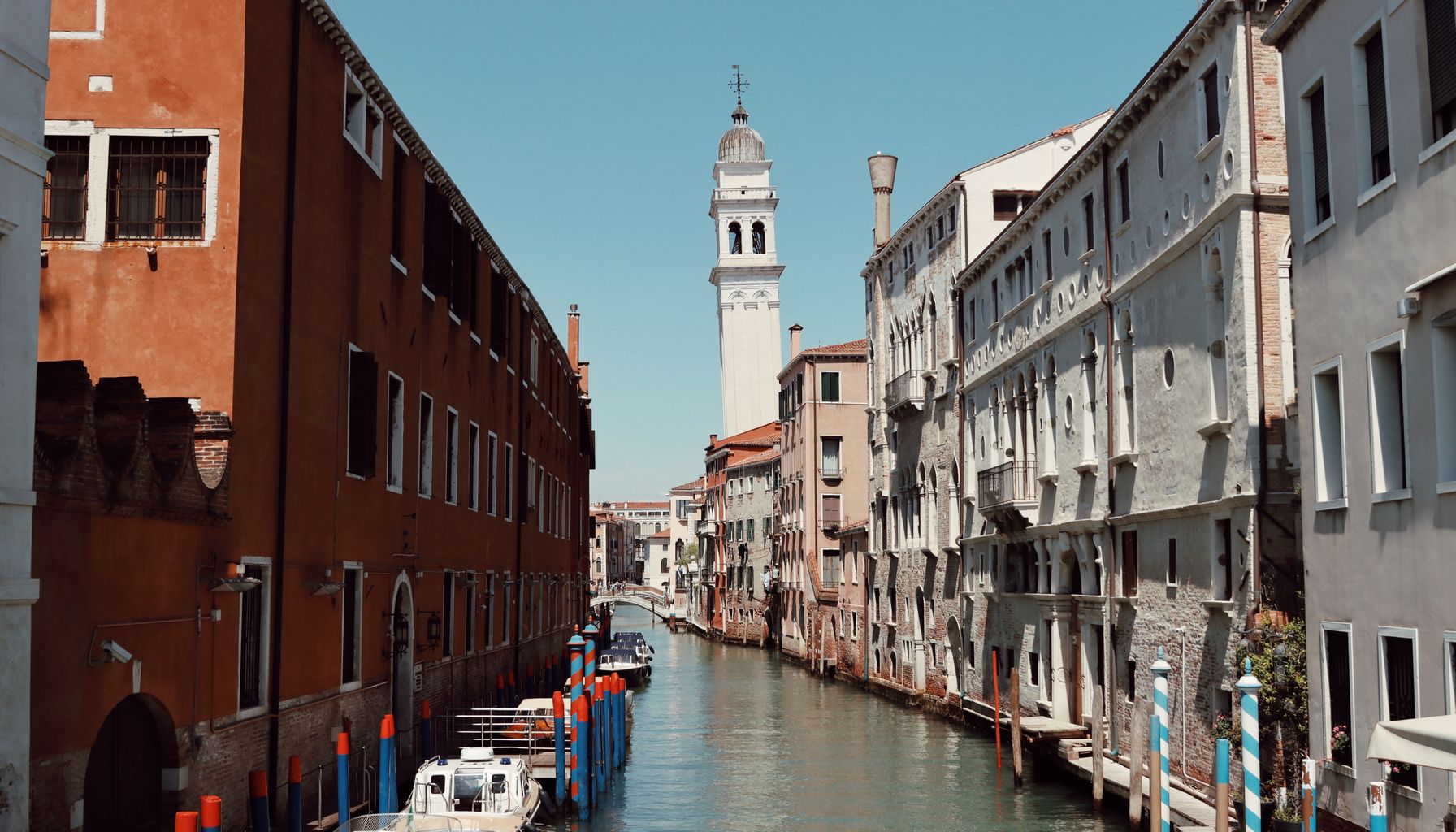
In Milan, the capital of Lombardy and Italy's main financial hub, renting a one-bedroom apartment downtown easily exceeds 1,200 euros per month, while on the outskirts prices range between 800 and 1,000 euros. Turin, in Piedmont, offers more moderate prices, with rents between 600 and 850 euros for the same type of property. Venice, in Veneto, has a real estate market distorted by tourism, with high prices especially on the historic islands — those seeking better value in the region tend to opt for Mestre, on the mainland.
Public transportation in the region is efficient, but not cheap: monthly passes in Milan run around 40 to 50 euros. Grocery shopping also costs more in the north — a monthly basic basket for one person can range between 250 and 350 euros, depending on consumption habits.
On the other hand, average salaries in the north are the highest in Italy, with sectors such as technology, fashion, and finance paying significantly above the national average. This makes the region attractive for those with professional qualifications seeking quick entry into the job market.
Central Italy: Tuscany, Lazio, and Emilia-Romagna
Central Italy balances quality of life, historical heritage, and intermediate costs — but with major variations between the capitals and smaller cities.
Rome, the capital of Lazio and of the country, has a high cost of living, especially in the central area and neighborhoods near the Vatican and Piazza di Spagna. One-bedroom rentals in the historic center can exceed 1,000 euros, while more distant neighborhoods, such as Tor Pignattara or Cinecittà, offer options starting at 600 euros. Florence, in Tuscany, follows a similar pattern, driven up by international tourism — but smaller cities in the region, such as Arezzo, Siena, or Grosseto, have considerably lower costs.
For those considering buying property, central Italy offers an interesting market: in small towns in Tuscany and Umbria (the neighboring region), it's possible to find old houses for renovation at prices well below the European average, although the renovation investment tends to be significant.
Healthcare expenses for residents who register with the Sistema Sanitario Nazionale (SSN) are low or nonexistent for basic consultations and procedures, since the Italian public system is funded through taxes. Higher education, meanwhile, has affordable tuition at public universities — generally, between a few hundred and just over a thousand euros per year, depending on declared family income.
Southern Italy and the islands: Calabria, Puglia, Sicily, and Sardinia
Southern Italy is by far the cheapest region in the country — and not by coincidence, it is also where most of the Italian immigrants who now have descendants in Brazil seeking citizenship originally came from.
In cities in Calabria, Puglia, Sicily, and Sardinia, it's possible to find one-bedroom rentals for 300 to 500 euros per month, and in smaller towns these figures drop even further. Food is also cheaper, with fresh, regional products costing a fraction of what's paid in the north.
For those in the process of citizenship recognition, living temporarily in these regions can even ease the step of searching for records in Italy, since many of the ancestral comuni are located precisely in these areas. Additionally, small towns in the south often have a local community accustomed to Brazilian and Argentine descendants returning in search of their roots, which makes initial adaptation easier.
The trade-off is a more limited job market and lower salaries than in the north and center of the country. For this reason, the south tends to be more suitable for those who already have their own income, remote work, or guaranteed retirement, and who are primarily seeking quality of life and low costs.
Essential expenses: rent, food, and bills
On the national average, rent is the item that weighs most heavily on the budget and varies the most by region. In 2026, prices per square meter follow this hierarchy:
- North (Milan, Turin): between 15 and 25 euros/m² in central areas
- Center (Rome, Florence): between 12 and 20 euros/m²
- South and islands: between 5 and 10 euros/m²
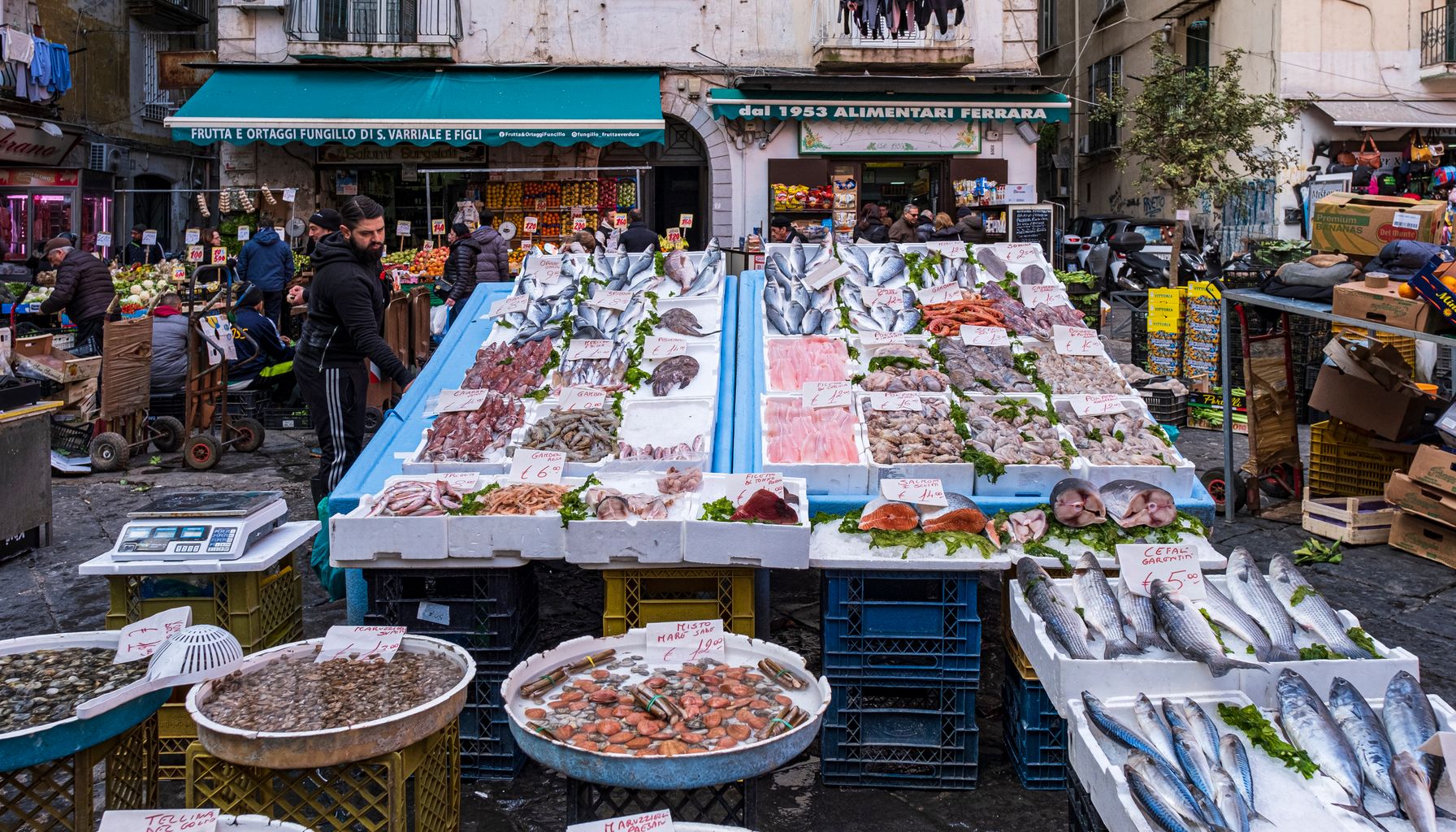
For food, a person who cooks at home and shops at mid-range supermarkets typically spends between 200 and 350 euros per month, depending on the region and consumption habits. Casual restaurants (the so-called "menu del giorno") cost between 12 and 18 euros for a full meal in big cities, and less in small towns in the south.
Basic utility bills also vary:
- Electricity and gas: between 100 and 200 euros per month in winter (higher in the north, due to heating)
- Water: usually included in condo fees or billed separately, with modest amounts
- Internet: around 25 to 35 euros per month for residential plans
The harsh winter in northern and north-central Italy significantly raises heating bills between November and March, an expense that barely exists in the warmer southern regions.
Health, education, and transportation: what to consider
The Sistema Sanitario Nazionale (SSN) is one of the major advantages of living in Italy as a citizen or legal resident. Once registered in the system, access to family doctors, consultations, and most procedures is free or has a symbolic cost (the so-called ticket sanitario). More specific tests or consultations with specialists outside the emergency circuit can involve long waiting lists, which leads part of the population to also use private healthcare, with prices more affordable than in Brazil.
Public education is free from early childhood through high school, including basic school materials in many cases. Public universities, meanwhile, charge annual fees that vary according to family income, generally being much cheaper than private Brazilian colleges or American universities.
Municipal public transportation is affordable in most of the country, with monthly passes ranging from 25 to 50 euros depending on the city. Intercity train travel, via Trenitalia or Italo, has prices that vary depending on how far in advance you book — booking weeks ahead usually results in significant savings on routes between regions.
Practical tips for Brazilians planning the move
Before moving, it's advisable to put together a budget spreadsheet covering at least three months of fixed costs (rent, food, bills) plus an emergency fund, since the initial adjustment period — opening a bank account, registering residency, enrolling in the SSN — can take time.
Among the regions most recommended for value are mid-sized cities in the center and south, which combine reasonable infrastructure with more affordable prices than the capitals. It's worth checking out an overview of the best Italian cities to live in before deciding where to settle.
Common mistakes made by Brazilians include underestimating the cost of winter (heating and appropriate clothing), not factoring in the Imu (property tax) when buying property, and overlooking condo fees, which can be significant in older buildings. It's also common to underestimate the time and bureaucracy required to finalize documentation — that's why gathering in advance the documents required for citizenship by descent and organizing the recognition process before the physical move helps avoid delays and extra costs.
Following news from Italy and content about life in Italy also helps in understanding day-to-day reality before making the decision to move.
The cost of living in Italy in 2026 confirms the country's historical pattern: the further north, the higher the prices and salaries; the further south, the lower the cost, but also the more limited the job opportunities. For Brazilians of Italian descent, understanding these regional differences is a fundamental part of planning — both for those seeking to have their citizenship recognized and for those already considering a permanent move.