Veneto Beyond Venice: Towns to Visit in the Land of Ancestors
Discover charming Veneto towns beyond Venice to explore roots, culture, and Italian gastronomy on a trip that blends tourism with citizenship steps.
Meta description: Discover Veneto towns beyond Venice to explore roots, culture, and Italian gastronomy on tourism combined with citizenship steps.
The Veneto goes far beyond Venice: it is a region with historic towns, Renaissance architecture, and culinary traditions that help those seeking to reconnect with Italian roots. This guide presents cities to visit, practical travel tips, and how to combine tourism with steps of Italian citizenship in an informed way.
Introduction to Veneto beyond Venice: region, history, and connection with Italian descendants
The Veneto is one of the richest regions in Italy for artistic and historical heritage, with Roman, medieval, and Renaissance influences reflected in inland towns and along the coast. For descendants of Italians planning a genealogical trip, Veneto offers parish archives, churches, and squares that guard family memories — plus a well-connected urban and road network that makes it easier to combine sightseeing with bureaucratic commitments.
- To contextualize the architectural and landscape heritage of places like Vicenza and the Palladian villas, see UNESCO’s listing for the Andrea Palladio ensemble (UNESCO: https://whc.unesco.org/).
- When planning visits related to citizenship processes, it is important to inform yourself in advance about the current legal situation: from Decreto 36/2025 (known as Decreto Tajani, converted into Lei 74/2025) the via consolare and administrative processes have faced restrictions. For citizenship guidance, consult: Italian Citizenship and items in News.
Must-visit cities: Verona, Padua, and the artistic trail
Verona, Padova (Padua), and Vicenza form a cultural axis of the Veneto that blends romantic, academic, and Renaissance elements.
- Verona: famous for the Roman Arena, the literary link to Romeo and Juliet, and a well-preserved historic center. The Arena is a Roman amphitheater still used for operas and concerts; practical information and programming are on the official Comune di Verona website (https://www.comune.verona.it/).
- Padova (Padua): a university city with universities founded in the 14th century, known for the Capella degli Scrovegni, where Giotto’s frescoes are housed — a crucial work for Western art (Musei Civici di Padova / Cappella degli Scrovegni: https://www.cappelladegliscrovegni.it/).
- Artistic trail: art lovers can map a route Verona → Padova → Vicenza to see Roman theaters, medieval chapels, and Palladian palaces in a single journey, taking advantage of well-connected regional trains and roads.
Vicenza, Treviso, and Chioggia: architecture, wines, and charming coastlines
- Vicenza: the architecture of Andrea Palladio marks the city with palaces, loggias, and villas. The historic center and Palladian works are part of UNESCO’s World Heritage; access the UNESCO entry for details (https://whc.unesco.org/en/list/712).
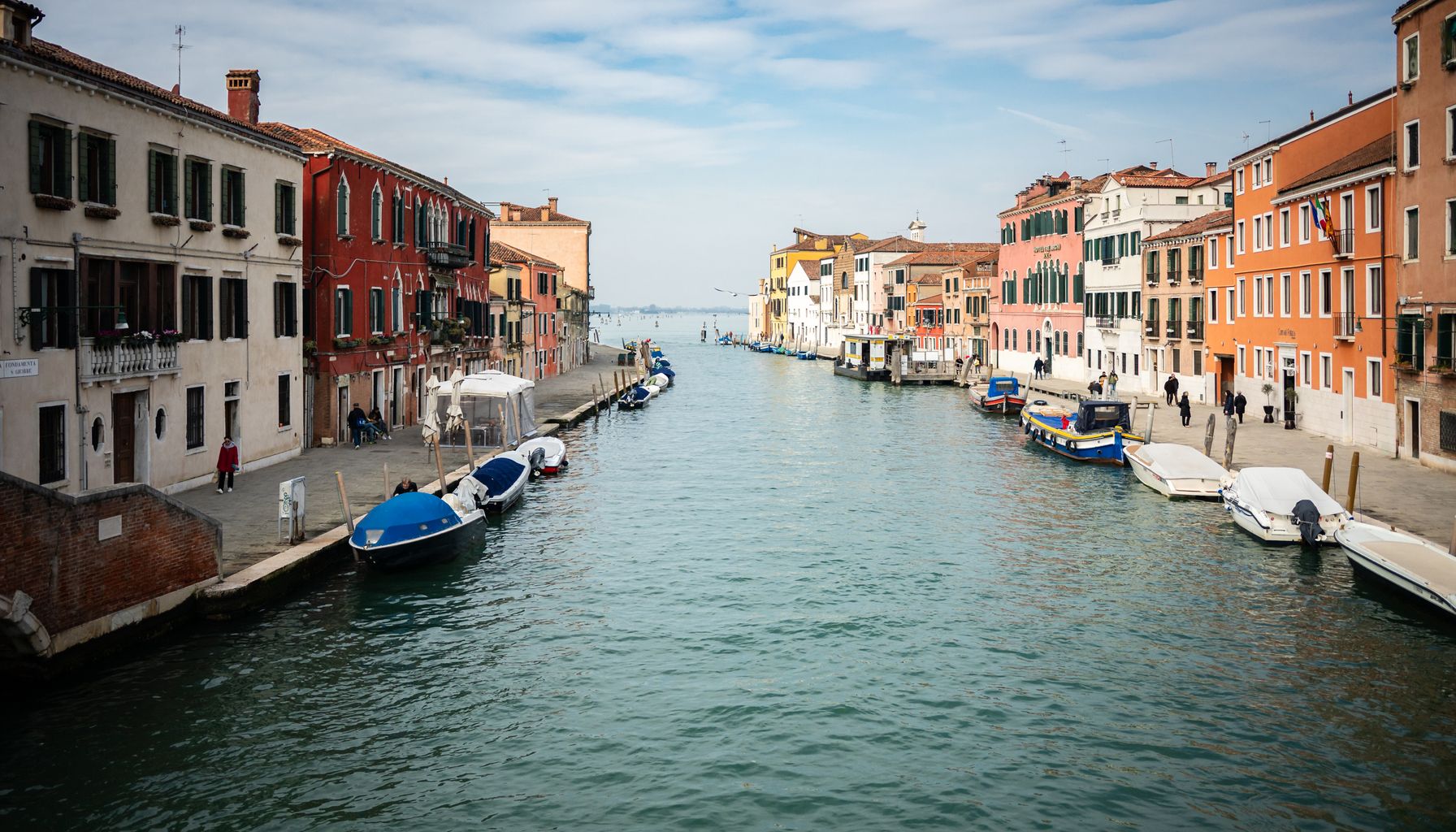
- Treviso: known for picturesque canals, medieval squares, and proximity to Prosecco-producing areas (Conegliano-Valdobbiadene nearby). The city offers local markets and a less-touristy atmosphere than Venice, ideal for authenticity.
- Chioggia: sometimes called the "Little Venice," a coastal city with active fishing, narrow streets, and a daily life of residents — great to feel the Veneto maritime vibe without the Venetian crowds.
Gastronomy, shopping, and practical travel planning
- Veneto gastronomy: typical dishes include risotto all'amarone, baccalà alla vicentina, polenta, and desserts like tiramisù (origin disputed between Veneto and Friuli). Local markets and osterie offer regional products — seek suppliers and hours on municipal sites or local guides.
- Shopping and handicrafts: antique fairs, local ceramics, and food products (wines, cheeses, preserves) are ideal souvenirs for family. Favor central markets and shops selling products from certified producers.
- Planning: the best times to visit are spring and early autumn, when the weather is mild and there are fewer crowds. Getting between towns is easy by regional train or car; check schedules on transport sites and book museum tickets in advance.
Connection to Italian citizenship: tourism and legal steps
Many descendants prefer to combine tourism and family research with administrative or judicial steps related to citizenship. Pay attention to current rules:
Decreto 36/2025 (Decreto Tajani), converted into Lei 74/2025, restricted administrative and consular routes for recognizing citizenship by descent and has tangible effects on those born outside Italy.
- How to combine tourism and bureaucracy: before scheduling visits to a comune for records, confirm the municipality’s current competence; after 2025, direct administrative recognition in many comunes has been interrupted and many cases have shifted to judicial channels. For institutional information and updates on legislative changes, consult News from Italy and the Italian Citizenship section.
- Visits to civil status records and archives: plan in advance to contact the municipality (Comune) or the diocesan archive to verify accessibility of parish certificates and hours. Not all old documents are digitized; some parishes still require in-person visits.
- Resources for Brazilians: in addition to Raízes Italianas internal links on Italian Citizenship and Life in Italy, consult official sites of the municipalities you visit and the Gazzetta Ufficiale for legal texts (https://www.gazzettaufficiale.it/).
Conclusion The Veneto offers much more than Venice: from Roman arenas to frescoed chapels, from Palladian villas to coastal towns, there are itineraries for historical, gastronomic, and family-research interests. Those planning to combine tourism with citizenship steps should inform themselves about recent legal changes and arrange prior contacts with archives and municipalities to optimize the trip. For related topics, also see our Tourism section and the latest News.