Tuscany: Florence, Siena, and Medieval Villages on a Unique Route
Discover Florence, Siena, and medieval Tuscan villages on a complete itinerary featuring history, landscapes, wines, and practical tips for Brazilian travelers.
Meta description: Discover Florence, Siena, and medieval Tuscan villages on a complete itinerary featuring history, landscapes, wines, and practical tips for Brazilian travelers.
The Tuscany region gathers art, rolling vineyards, and medieval villages within short distances — ideal for those seeking culture, landscapes, and good cuisine. This itinerary suggests the visiting order, practical travel, wine and food experiences, and tips to avoid crowds.
Introduction: the magic of Tuscany and what to expect from the itinerary
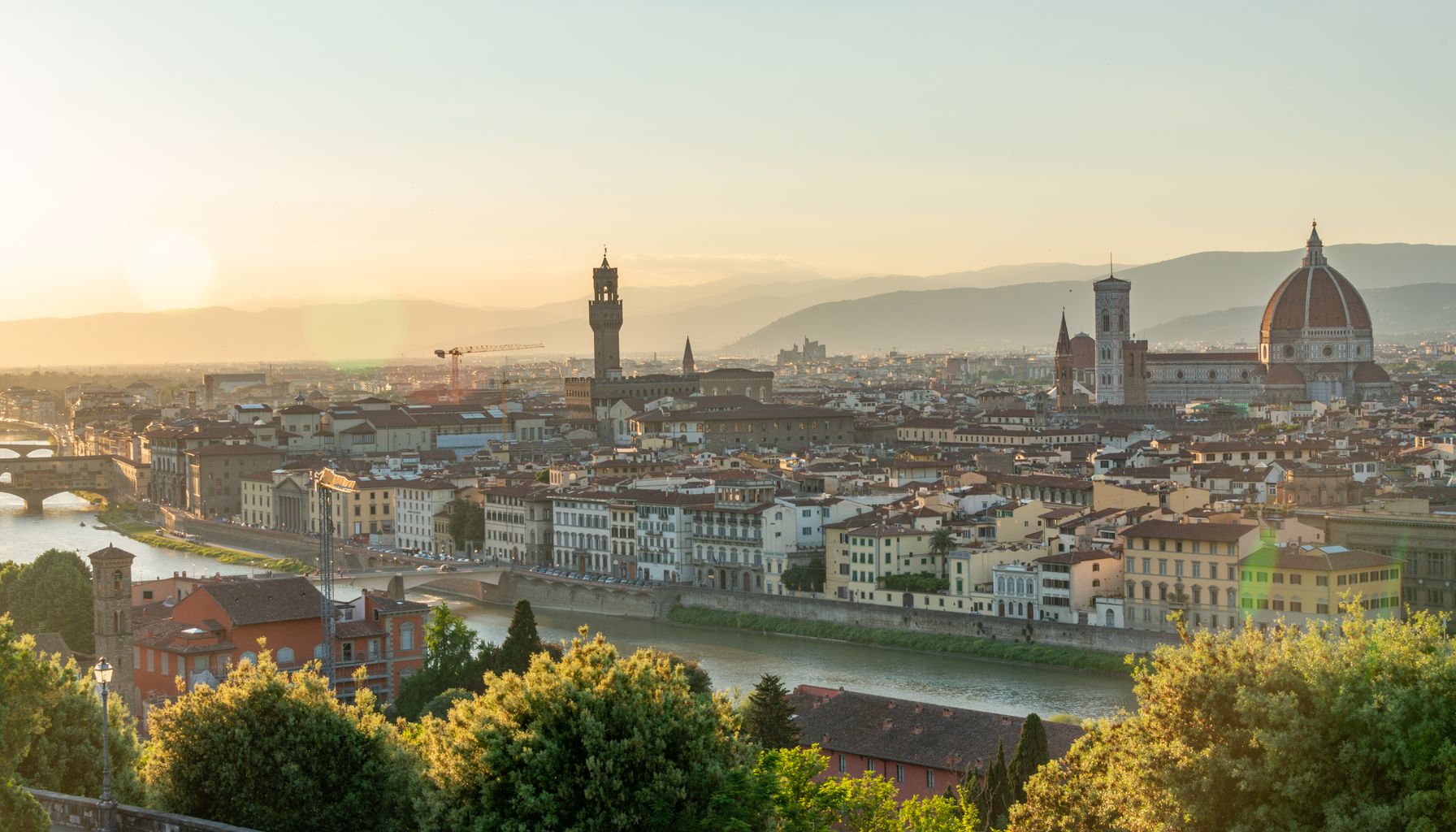
The Tuscany region combines urban centers of historical importance, such as Florence, with medieval towns like Siena and preserved villages (San Gimignano, Monteriggioni, Volterra). Florence and Siena have historic centers recognized by UNESCO, which explains the concentration of monuments and visitors — according to UNESCO, Florence’s historic center is a World Heritage Site for its artistic and architectural contribution; Siena is also listed for its medieval integrity (see UNESCO). Expect pedestrian-friendly streets, wine tastings in small cantinas, and views of hills dotted with vineyards.
How to organize the trip between Florence, Siena, and nearby villages
- Suggested itinerary (5–8 days): base in Florence (2–3 nights), travel to Siena (1–2 nights), day(s) for villages (San Gimignano, Monteriggioni, Volterra).
- Transportation: combine train and car rental. There are regional trains between Florence and Siena operated by companies like Trenitalia; to explore hilltop villages a car is more flexible (per Trenitalia and the Regione Toscana).
- Practical logistics: leave luggage in Florence if doing day trips; to explore the Chianti wine region and smaller villages, stay in an agriturismo or a small inn to save travel time.
Best times of year to visit
- Spring (April–June): mild weather, blooming landscapes, crowds smaller than in summer.
- Fall (September–October): grape harvest and wine festivals, colorful scenery and pleasant temperatures.
- Summer (July–August): peak season, heat and crowds — book tickets in advance.
- Winter (November–February): fewer tourists, many local services close; useful for those seeking quiet and lower prices. For events, check local calendars on official Regione Toscana and municipal sites.
Florence — the artistic heart: must-see sites
- Duomo (Cattedrale di Santa Maria del Fiore) and Brunelleschi's dome: city symbol.
- Galleria degli Uffizi and Galleria dell'Accademia (David): book ahead to avoid lines; according to museum directors, scheduling is recommended in peak season.
- Ponte Vecchio, Piazza della Signoria, and Palazzo Vecchio: heavy foot traffic, ideal for evening strolls.
- Gardens and viewpoints: Piazzale Michelangelo for sunset and panoramic views.
Local experiences: markets, wines, and Tuscan cuisine
- Mercato Centrale and San Lorenzo: local products, cheeses, and charcuterie. See more about gastronomic tradition in our Italian Cuisine.
- Wines: classic Chianti and Sangiovese tastings in city enotecas or Chianti Classico tours. Look for establishments with signs of local producers.
- Cultural practice: try bistecca alla fiorentina and Tuscan antipasti.
Getting around and suggested time
- Suggested time: 2–3 days in Florence for museums and cultural immersion.
- Getting around: in the historic center, walking is best; taxis and buses for longer trips. Park in peripheral areas if you’re driving.
Siena — history, Piazza del Campo, and tradition
- Piazza del Campo: stage for the Palio di Siena (horse race), a traditional event that attracts locals and visitors; check the Comune di Siena official calendar for dates.
- Duomo di Siena: richly decorated interior, Renaissance artworks. Siena’s historic center is UNESCO-recognized for its medieval urban layout.
- Atmosphere: zigzag streets, artisan boutiques, and traditions upheld by local contrade.
Enogastronomic route: regional tastings
- Wines: Montepulciano and Montalcino (Brunello) are within easy driving distance and pair beautifully with a Siena visit.
- Local dishes: pici (traditional pasta), ribollita (rustic soup), and regional desserts; municipal markets offer seasonal products.
One-day trips from Florence
- Organized tours or self-drive can take you to Siena in about 1–1.5 hours; check regional train schedules if choosing public transport (see Trenitalia). A full day is enough for Siena’s main sights, with time left for a nearby winery.
Medieval villages: Monteriggioni, San Gimignano, and Volterra
- San Gimignano: famous for its medieval towers and Vernaccia wine; the historic center is a UNESCO World Heritage Site.
- Monteriggioni: well-preserved walls and a tranquil vibe — ideal for walking.
- Volterra: Etruscan and medieval architecture, stone streets, and alabaster crafts.
Architecture, exploring on foot and at a relaxed pace
- Most villages are compact — explore on foot, climb towers for views, and wander the lanes to find studios and small enotecas.
- Avoid peak hours (noon and 4 p.m.) to enjoy photos without crowds.
Sunset photography spots
- San Gimignano: hillside views at dusk with towers silhouetted on the horizon.
- Monteriggioni: walls with fields in the background.
- Secondary roads between Colle Val d’Elsa and Poggibonsi for classic Tuscan vistas.
Where to stay: charming and affordable options
- Agriturismo: farm-stay accommodations transformed into lodging, ideal for reconnecting with rural scenery and breakfasts featuring local products.
- B&Bs and small inns in historic centers: charm and convenient locations; book in advance during peak season.
- Hotels in Florence: choose neighborhoods close to the historic center to ease walking.
Planning tips: car rental vs. train
- Car: more freedom for villages and wine routes; watch for ZTL (limited traffic zones) in historic centers — fines apply in controlled areas.
- Train/bus: practical option between major centers; combine with local tours to reach villages without a car. Check schedules and tickets on Trenitalia and municipal websites.
Lesser-known routes to avoid crowds
- It's worth exploring secondary routes: smaller communes like Castellina in Chianti, Radda in Chianti, and Panzano offer an authentic Tuscan experience with fewer tourists. For events and schedules, check local information on Regione Toscana sites.
Typical dishes to try
- Bistecca alla fiorentina: classic Florentine beef cut.
- Pici all'aglione: handmade pasta often found in traditional restaurants.
- Ribollita: legume and bread soup; great on cooler days.
- Wines: Chianti Classico, Vernaccia di San Gimignano, Brunello di Montalcino.
Local rituals and markets
- Weekly markets: each city hosts local fairs with fresh produce and crafts — a good chance to observe everyday Tuscan life.
- Harvest festivals and sagre: in autumn, many villages celebrate grapes and olive oil; check municipal calendars on official sites before traveling.
Suggested dining spots
- Look for enotecas and trattorie with local reviews and emphasis on regional products; prefer establishments that indicate local wine producers. For cultural and gastronomic dossiers, also see our pieces on Italian Cuisine and the Italy News section News from Italy.
Conclusion Tuscany yields a rich itinerary that combines Florence as an artistic core, Siena for medieval tradition, and villages that preserve landscapes and wines. Plan travel according to your priorities (museums, wineries, or tranquility), check schedules and reservations in advance, and prefer off-peak times to enjoy the region at a relaxed pace. For reports on living and settling in Italy, visit our Life in Italy section and for information on family ties with Italy, stories about Italian Citizenship.