Tourism in Italy Hits Records in 2026
Tourism in Italy hits records in 2026 with rising visitor numbers, standout cities, and economic impacts on travel, culture, and leisure sectors.
Tourism in Italy has hit records in 2026, with a broad uptick in visitors, higher occupancy in urban destinations, and a positive impact on the services sector, according to official agencies and coverage by the Italian press.
Global visitation on the rise: official figures and comparison with 2025
According to data released in 2026 by ENIT — National Tourism Agency and ISTAT, Italy registered in 2026 the highest flow of visitors in the recent decade, surpassing 2025 levels in both international arrivals and tourism revenue. Reports from the newspaper Corriere della Sera and the agency ANSA also highlighted the result as an annual record for the country (ENIT, ISTAT, Corriere della Sera, ANSA).
- Growth was evident across the entire tourism chain: hotel occupancy, restaurants, and transportation.
- The resurgence of long-haul travel after the pandemic and the strengthening of intercontinental routes contributed to the rise in visitors.
Cities and regions leading the visitor flow
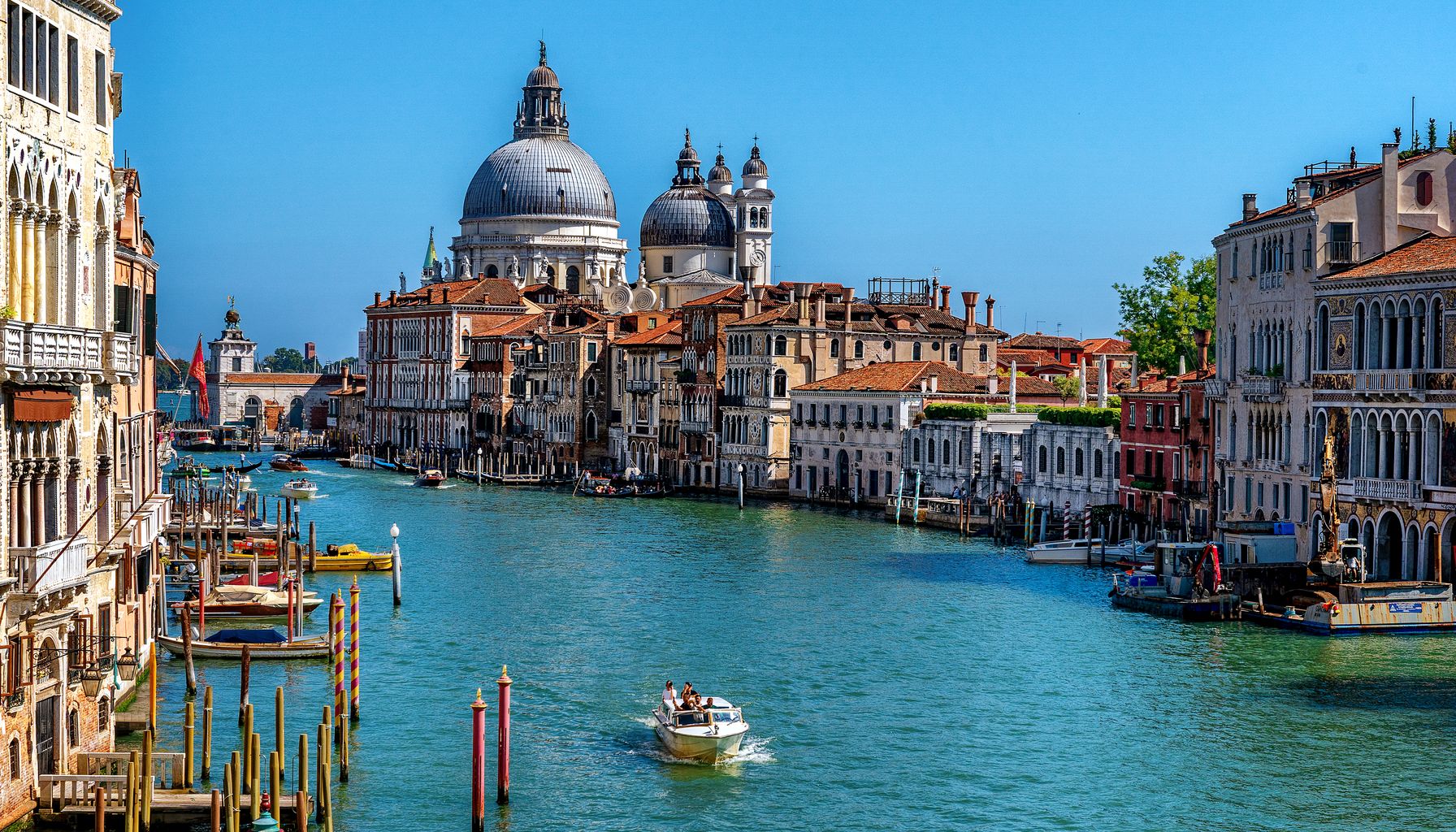
Historic major cities — Rome, Venice, Florence, and Milan — remained at the top of preferences, with seasonal peaks in coastal centers and wine regions such as Tuscany and Puglia. Less obvious regions, including Alpine destinations and mid-sized cities with strong cultural offerings, also recorded increases, according to sector analyses published in 2026 by the Italian business press.
Economic impacts: hotel occupancy, restaurants, and transport
The tourism uptick boosted revenue from lodging, gastronomy, and regional transport. This generated positive effects on seasonal employment and investments in tourism infrastructure, according to specialized press coverage. At the same time, there was upward pressure on prices during peak season in sought-after destinations.

Visitor profile: origin, motives, and average stay
2026 reports indicate continental Europe remains the largest source of visitors, followed by North America and recovering Asian markets. There was also growth in Latin American tourists, including Brazilian travelers, according to analyses published during the period.
- Motives: cultural tourism, gastronomic itineraries and wine tourism, as well as events and conference-related travel.
- Average stay: slightly increased in some destinations focused on regional experiences, such as wine routes and slow tourism.
These data appear in sector bulletins and press notes from ENIT and outlets such as Corriere della Sera (ENIT, Corriere della Sera).
Events and mega-investments that boosted tourism
Large cultural events, exhibitions, and music festivals in 2026 drew international audiences and contributed to the country’s visibility. Additionally, infrastructure investment projects — airports, regional railways, and restoration of historic sites — were cited by the media as attracting factors.
Sustainable tourism and preservation strategies
Responses to tourist pressure included local flow management policies, temporary access limits at sensitive sites, and greater investment in sustainable tourism. Several cities tested reservation systems for popular attractions and intensified heritage education efforts, according to industry sources.
Iconic routes and experiences: art, history, and wines
Cultural itineraries — museums, archaeological sites, and historic centers — remained at the core of the offering. Wine tourism and culinary routes stood out, with packages combining visits to wineries, culinary experiences, and boutique accommodations. Operators and cities emphasized immersive experiences to differentiate offerings and increase average stay.
Digital innovation and traveler services
Investments in orientation apps, digital ticketing, and multilingual information improved the visitor experience. The digitization of tourism services facilitated bookings and access to mobility and event information, according to 2026 market reports.
Challenges: capacity and flow management
Growth brought clear challenges: infrastructure capacity in peak season, impact on local residents, and the need for more coordinated policies among regional governments and private operators. Solutions cited by the press include better transportation coordination, pricing policies, and promoting alternative destinations.
Forecasts for 2027: growth expectations and trends
Tourism analysts interviewed by the press projected in 2026 that 2027 would maintain moderate growth, though dependent on external factors such as the global economy and travel costs. Trends to watch: expansion of enotourism, regenerative tourism, and slow travel.
Practical tips for Brazilian descendants of Italians
- Plan trips outside peak season to avoid crowds and to better enjoy museums and historic cities.
- Check cultural event schedules in advance; many require reservations.
- For those following Citizenship topics, combining a family recognition visit or genealogical research with local itineraries can enhance travel value.
- Consult the Raízes Italianas Tourism section and the Raízes Italianas News for updates on events and logistics changes.
How to plan trips and make the most of cultural offers
Book lodging and attraction tickets ahead of time in popular destinations; consider packages that include local experiences (tastings, guided tours); and prefer operators and guides with certifications for cultural itineraries. Official event and tourism promotion information is available at ENIT (ENIT) and regional portals.
"The diversification of destinations and the responsible management of flows are essential to keep tourism as an economic force and to preserve heritage," say technical notes and specialized reporting published throughout 2026.
Conclusion 2026 marked a new high for tourism in Italy, with record visitor and revenue flows, alongside governance challenges and opportunities in cultural and sustainable tourism. The trend, according to agencies and the press, is that destination diversification strategies and investment in services will continue shaping the sector in 2027. To follow updates and analyses, consult the Raízes Italianas News and Raízes Italianas Life in Italy sections.