
Tajani Warns of Risk of Russian Interference in Italy's Elections
Italian Foreign Minister Tajani fears Russian interference in elections and cites Foreign Ministry reform to strengthen surveillance.
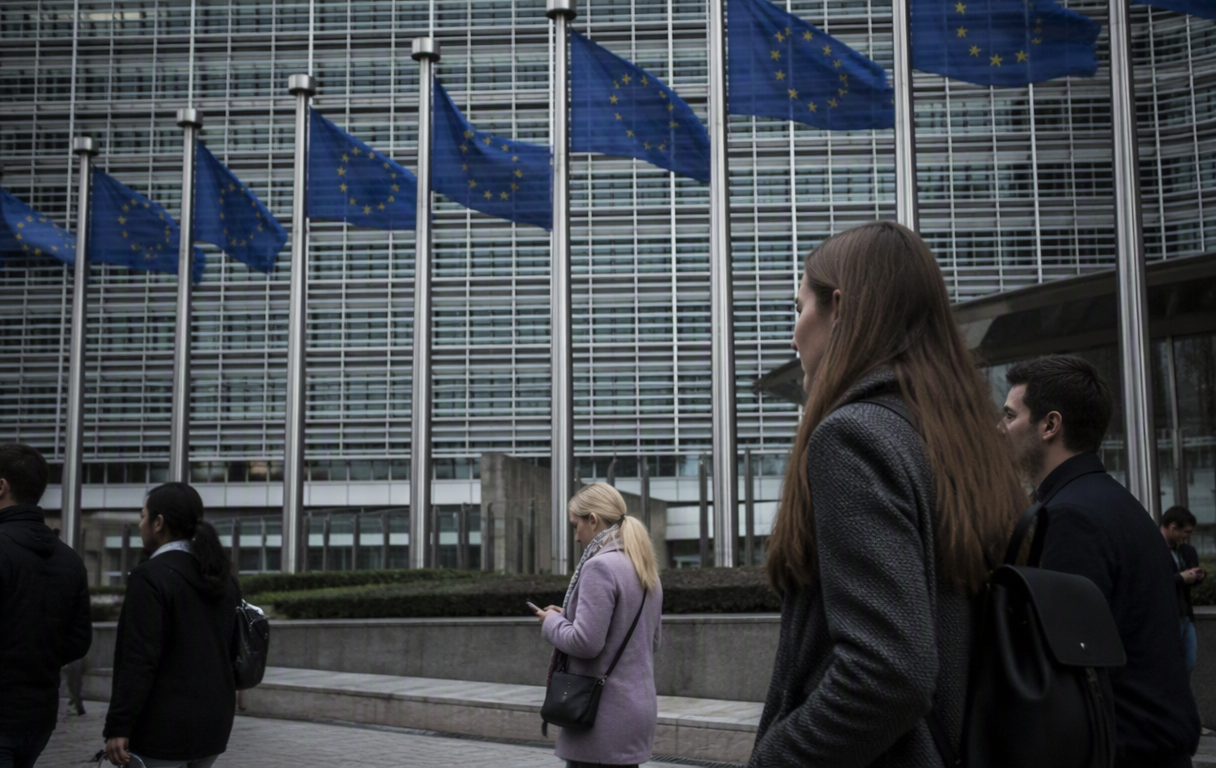
Italy's Foreign Minister, Antonio Tajani, has warned of the risk of Russian interference in the upcoming Italian elections. The statement was made during an informal meeting of European Union foreign ministers, the so-called Gymnich format, held in Wicklow, Ireland. According to Comunità Italiana, Tajani stated that it is not possible to rule out attempts by Russia to interfere in the country's electoral process and argued that the institutional response must be preventive, before any concrete threat materializes.
Tajani's Warning
During the meeting in Ireland, Tajani was direct in addressing the issue: for him, the possibility that Russia might try to condition the outcome of Italian elections cannot be treated as a remote hypothesis. According to Comunità Italiana, the minister maintained that Italy must act in an anticipatory manner, reinforcing surveillance mechanisms and institutional protection before any interference attempts advance.
Tajani's remarks add to a broader debate within the European Union about how political blocs and national governments should protect themselves from disinformation campaigns and cyberattacks linked to Moscow, especially during sensitive electoral periods.
European Context and Hybrid Threats
Tajani did not treat the issue as a problem exclusive to Italy. According to Comunità Italiana, the minister framed the question as a European challenge that requires coordination among EU member states. The statement comes just days after an attack on Leipzig Airport in Germany, attributed to Russia, an episode that reinforced the perception that the continent faces an escalation of hybrid actions — a combination of sabotage, cyberattacks, and disinformation — coming from Moscow.

Italy, according to reporting, acknowledges being exposed to daily cyberattacks attributed to Russian hackers, which has placed digital security at the center of government concerns. This scenario increases pressure on Rome to treat the protection of elections as a strategic priority, not merely as a foreign policy agenda item.
Those following Italy News have frequently seen this type of discussion gain ground on the European agenda, as the continent deals with mounting tensions linked to the war in Ukraine and its political ramifications.
Italian Institutional Response
According to Comunità Italiana, Italy's Foreign Ministry has already undergone internal reform specifically designed to deal with hybrid threats. The restructuring seeks to give the Italian government greater capacity to monitor and respond to risks ranging from attacks on electoral systems to disinformation campaigns spread on social media.
These concerns are not exclusive to Italy. The European Union is already monitoring a similar pattern in other member states that have gone through recent electoral processes, in which attempts to manipulate information and attacks on digital infrastructure linked to the voting process have been identified. Tajani's concern, therefore, is part of a broader European bloc strategy to strengthen collective defenses against this type of threat.
"We cannot rule out attempts to condition the elections," Tajani stated, according to Comunità Italiana, arguing that Italy and the European Union must act before the risk materializes.
Why This Matters for Brazilians of Italian Descent
For those following Italy's day-to-day affairs from Brazil, episodes like this may seem distant from the practical life of those seeking recognition of Italian Citizenship or intending to live in the country. But Italian political stability and institutional security have a direct effect on government decisions that impact the Italian-Brazilian community — from the conduct of consular policies to the legislative agenda dealing with descendants abroad.
Geopolitical tensions in Europe, especially those involving Russia, tend to reorient the priorities of governments like Italy's, which can be reflected in changes in stance on various topics, including bilateral relations and international cooperation. For this reason, understanding Italy's political context is an important part of following developments for those interested in Life in Italy or in processes related to citizenship.
Tajani's warning reinforces that Italy, as part of the European Union, is alert to the risks of external interference in its democratic processes. The way Italy's government and the European bloc respond to these threats in the coming months should be closely watched, both for the immediate political impact and for possible repercussions on issues that directly interest the Italian-Brazilian community.
Source: Comunità Italiana