EU Blockade of Brazilian Beef Threatens Italian Bresaola
EU suspends Brazilian beef imports, impacting Bresaola della Valtellina IGP production, which relies on 80% South American raw materials.
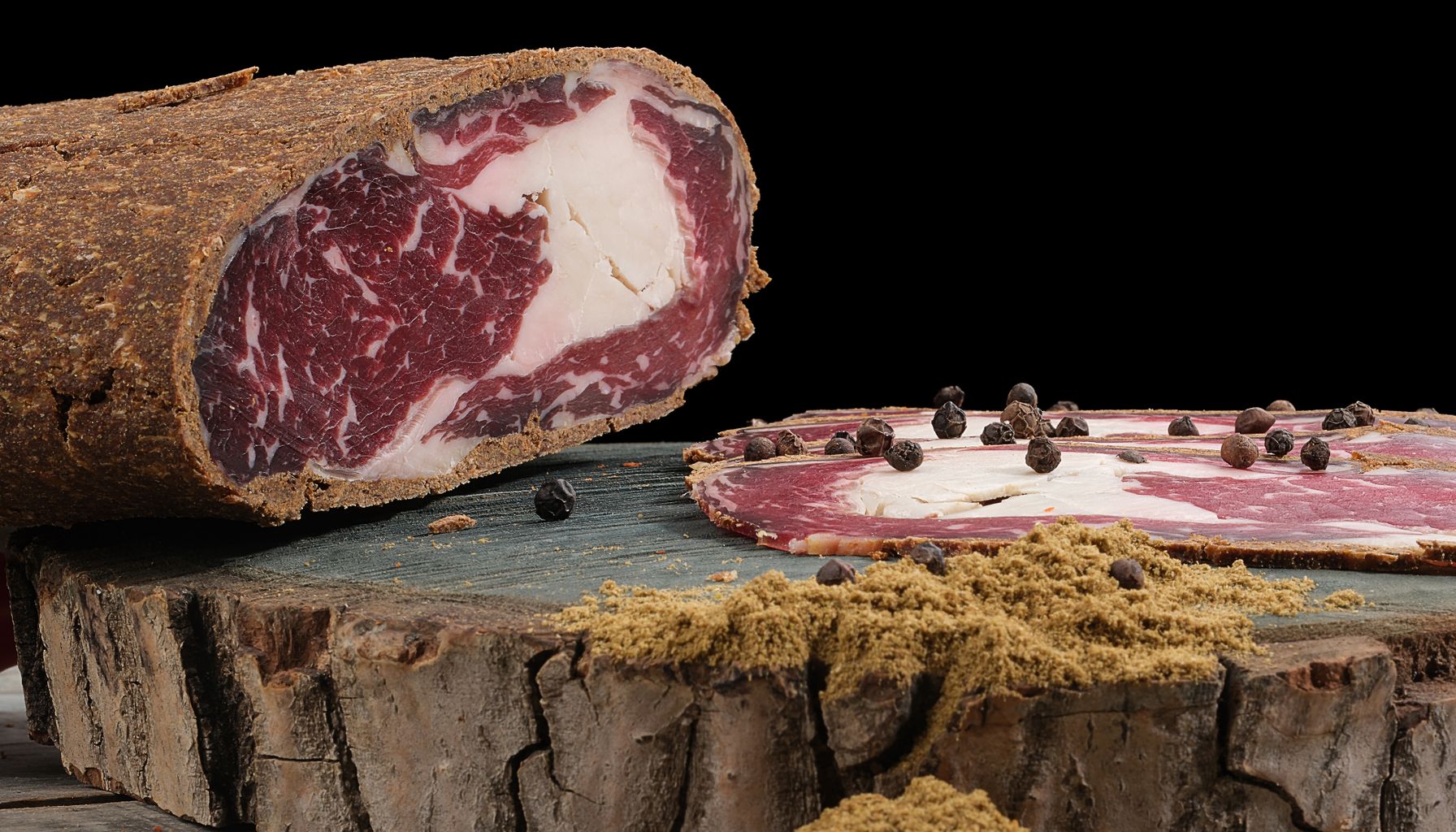
The European Union suspended, starting September 3, 2026, the import of beef and other animal products from Brazil, a measure that directly affects one of Lombardy's gastronomic symbols: Bresaola della Valtellina IGP, produced with beef sourced predominantly from South America.
What motivated the EU blockade of Brazilian beef
According to Comunità Italiana, the European Commission determined the suspension of imports of cattle, poultry, eggs, honey, and other animal products from Brazil starting September 3, 2026. The decision is part of a broader package of sanitary restrictions applied by the European bloc to external suppliers.
Based on Comunità Italiana's reporting, the European Commission justified the measure by citing insufficient guarantees regarding antimicrobial control across Brazilian production chains. According to the same source, there was no identification of any concrete contamination cases in exported batches — the problem cited by Brussels is structural in nature, related to traceability and enforcement of sanitary protocols in Brazil, rather than an isolated public health risk incident.
The suspension adds to a broader scenario of trade tensions between the European Union and South American partners, with direct impacts on sectors dependent on imported raw materials — such as the Italian cured meat industry.

Why Bresaola della Valtellina IGP is at risk
Bresaola della Valtellina is a typical product from the province of Sondrio in Lombardy, protected by the European Union's Protected Geographical Indication (PGI) seal. It is one of Italy's most popular cured meats, consumed by approximately 38 million Italians, according to data cited by Comunità Italiana.
The detail that exposes the sector's vulnerability to the blockade is the origin of the meat used in production. According to the reporting, in 2024 approximately 80% of the raw materials used in bresaola manufacturing came from South America — Brazil, Paraguay, Uruguay, and Argentina — while only 20% originated from Europe.
The Consorzio di Tutela della Bresaola della Valtellina, an organization representing producers, told Comunità Italiana that the import of South American beef is not merely an economic choice, but a supply necessity. According to the consortium, European livestock farming lacks the capacity to supply alone the volume of lean beef required for bresaola production on an industrial scale, making the sector structurally dependent on suppliers like Brazil.
This dependency places the Valtellina production chain in a delicate position: any prolonged interruption in the flow of Brazilian imports can directly affect product availability and put pressure on prices in the Italian domestic market.
Context and relevance for Brazilians
The blockade draws attention for its timing: it occurs shortly after the provisional implementation of the trade agreement between the European Union and Mercosur, negotiated over more than two decades and presented as a landmark in relations between the two blocs. The sanitary suspension reignites debate over the extent to which Brazilian production standards meet European requirements, even in a scenario of greater trade openness.
On the Brazilian side, the government contests the European Commission's decision. According to Comunità Italiana, Brazilian authorities argue that national legislation already restricts the use of antimicrobials as growth promoters in livestock, and that the European measure does not take into account the regulatory advances already implemented in the country.
The episode is of direct interest to the community of Italian descendants in Brazil as it illustrates how trade decisions between the two blocs go beyond the economic sphere and touch gastronomic traditions with historical roots in Italian immigration — bresaola itself is a product linked to the food culture of regions that sent thousands of emigrants to Brazil in the past century. Those who follow News from Italy on Raízes Italianas will find other cases in which trade policy and Italian cultural identity intersect directly.
Beyond the commercial impact, the case is also noted by those interested in Life in Italy, since products like Bresaola della Valtellina are part of the daily food culture of regions such as Lombardy, a destination for many Brazilians now living in the country — including descendants seeking information about Italian Citizenship and planning to establish themselves in the region.
The outcome of the dispute between Brasília and Brussels remains uncertain, and the Valtellina production sector is closely monitoring any signals about the duration of the suspension, which may become a new chapter in trade tensions between the European Union and Brazil.
Source: Comunità Italiana