Tinto Brass Dies, Renowned Master of Erotic Cinema at 93
In Rome at age 93, Tinto Brass, a controversial Italian filmmaker and landmark of erotic cinema, has died; the family says the funeral will be private.
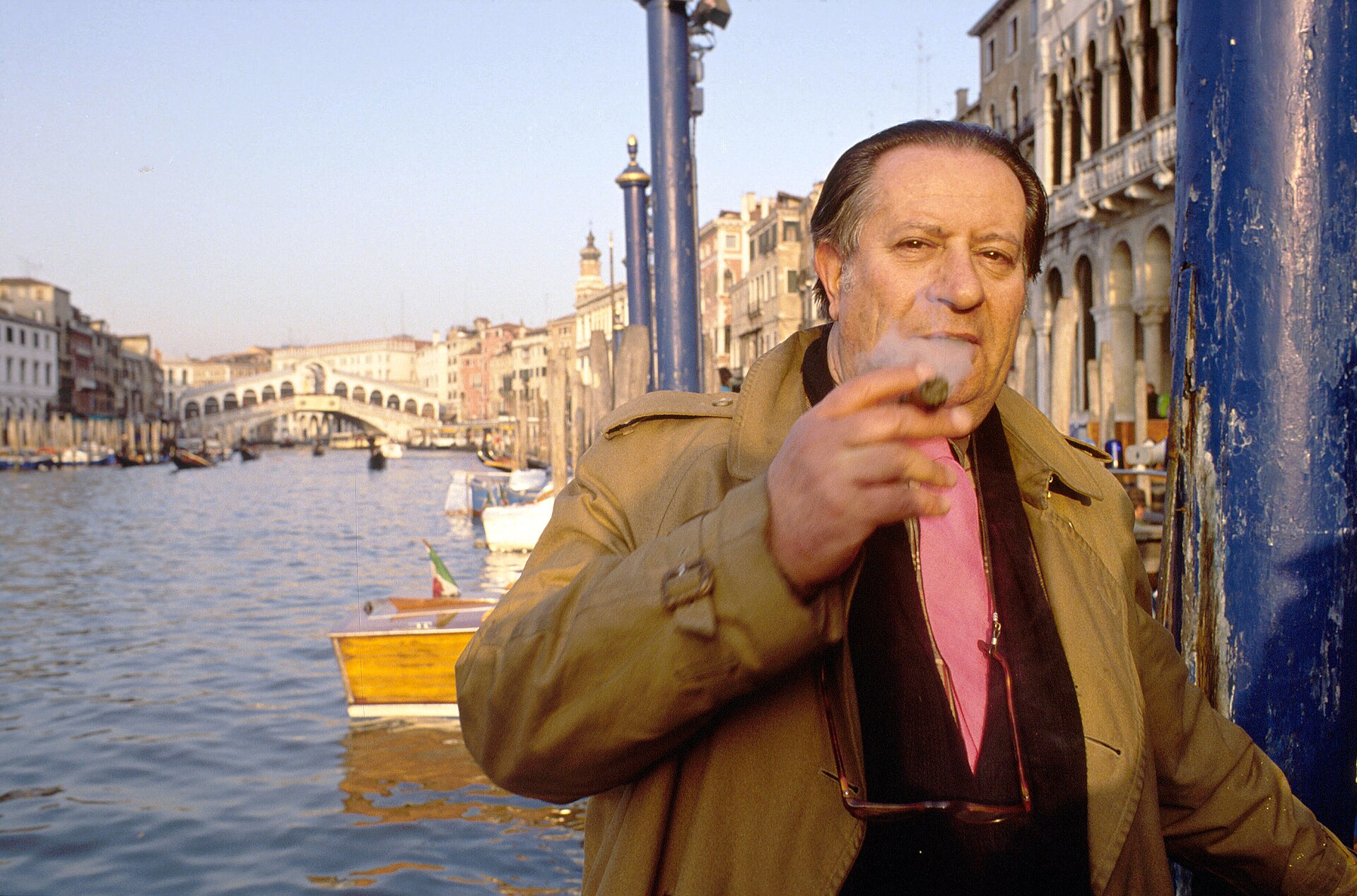
Tinto Brass, a renowned Italian filmmaker and reference in erotic cinema, was reported by the ANSA agency on November 4, 2026 to have died in Rome. According to the ANSA piece, he would have been 93; born in Milan on March 26, 1933. The note attributes confirmation of the death to the family and states that the funeral would be private. (Source: ANSA — consult the original article for details and direct quotes.)
Trajectory and Legacy of Tinto Brass
Tinto Brass was widely regarded as a master of Italian erotic cinema and a controversial figure for his aesthetic and narrative choices. Over the course of his career he stood out for pursuing formal freedom and experimentation. In public messages read at events such as the Venice Film Festival, Brass emphasized aesthetics, experimentation, and the pursuit of freedom in his cinema, according to Italian press reports.
Brass described his work with strong, provocative terms on several occasions; quotes attributed to him should be reproduced faithfully and referenced to their original sources. This aesthetic and thematic stance placed him at the center of both admiration and controversy, influencing filmmakers and fueling debates about the boundaries between eroticism, art, and censorship.
Brass's career was also marked by clashes with censorship: reports (including ANSA) state that most of his films underwent some form of intervention by authorities or cuts over the decades. Specific numbers (for example, "26 of 27") depend on how one defines "intervention" and on the corpus considered; it is recommended to consult the primary source cited for verification. One of his most recognized films in institutional circuits was La Vacanza (1971), which received screenings and attention at festivals like Venice — the exact nature of awards or mentions should be confirmed in official festival records.

Health and Later Years
Media reports indicate Brass faced health issues in recent years. Concrete statements about a stroke in 2010 and about wheelchair use require confirmation from primary sources (interviews, official family notes, or public medical statements) and are therefore presented here as references to the reports that mention them.
Even during periods of reduced public presence, Brass maintained a strong defense of his artistic vision — and his communications continued to fuel debates about morality, art, and freedom of expression in Italian cinema.
Relevance for Brazilians and Italian Descendants
Tinto Brass holds a prominent place in Italian cultural history, a production followed by many Brazilian descendants of Italians. His body of work, especially pieces produced in the 1960s and 1970s, forms part of the cultural mosaic that influences research, screenings, and interest in European cinema in Brazil.
For readers interested in topics related to Italian life or Italian cultural heritage, the reported news about Brass represents the possible loss of an emblematic name — both for its aesthetic impact and for the public debate his works have consistently sparked. The event is likely to reverberate in cultural agendas, showcases, and programs dealing with European cinema; for confirmation of events or programming, it is recommended to follow program announcements from curators and festival organizers. For other news about Italy, see the Raízes Italianas Italy News section; for contexts on culture and life in the country, also see Life in Italy.
Filmography, Prizes, and Critical Memory
Brass's filmography blends experimental titles, auteur cinema ventures, and more mainstream works that explore eroticism in explicit terms. His work is frequently studied in cinema courses and cycles addressing post-war Italian production and the cultural transformations of the 1960s and 1970s. Cinema researchers find Brass's works a resource for debates on freedom of expression and institutional limits — topics that resonate with contemporary productions and with the circulation of films at festivals and on platforms.
Reactions from film professionals, critics, and programmers should be monitored in the coming hours and days through news reports and official statements; expect testimonials, retrospectives, and re-releases in some circuits, but such initiatives should be confirmed with organizers.
Conclusion The ANSA report about the death of Tinto Brass at 93 marks the end of the trajectory of a filmmaker who left lasting marks on Italian cinema and on debates about eroticism, art, and censorship. The funeral was described in the report as private; for additional details and confirmations, consult the original ANSA article and official statements from the family.
Source: ANSA article (check the original version for complete quotes and confirmation of all details).