Life of Italian Immigrants on São Paulo Coffee Plantations
Discover the story of Italians who helped shape São Paulo coffee, their journeys, challenges, traditions, and the cultural legacy they left on farms across generations.
A presence of Italian immigrants on the coffee farms of interior São Paulo marked the region's economy, culture, and social landscape profoundly since the late 19th century. This text traces arrival trajectories, daily life on the farms, the challenges faced, and the cultural legacy that spans generations.
Meta description: Discover the story of Italians who helped shape São Paulo coffee, their journeys, challenges, traditions, and the cultural legacy they left on farms across generations.
Historical context and arrival of Italian immigrants on the coffee farms
Italian immigration to Brazil intensified from the 1870s, when expanding coffee plantations in São Paulo created demand for labor. Italian immigrants arrived under work contracts, charters, and recruitment in Italian provinces, lured by promises of work and land plots. According to the Museu da Imigração de São Paulo, many arrived as wage earners or in partnership arrangements on the farms, partially replacing slave labor after abolition.
Recruitment included agencies in Italy and Brazilian contractors; the voyage and first contact with the farms were marked by uncertainty. Historically, researchers point out that the Italian presence transformed not only the labor force but also the social structure of coffee-district municipalities, with new workers’ villages and small communities emerging around the processing mills.

Daily routines, social life, and preservation of traditions
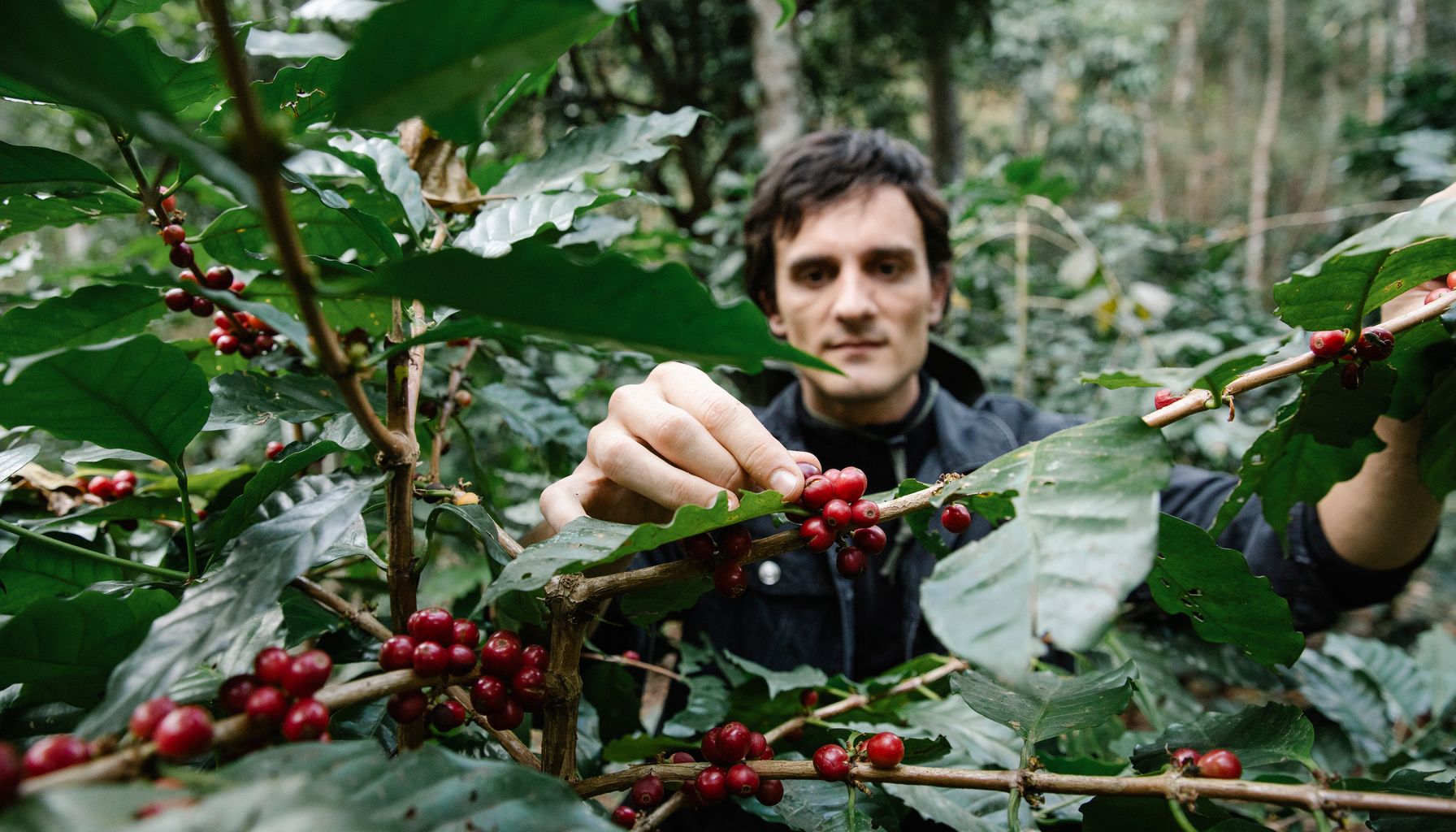
The farm routine followed the cycle of harvest and processing: planting, pruning, manual harvest, and drying. Workdays were long and often governed by harvest seasons. Working and living conditions varied greatly between farms—from rudimentary accommodations to more structured housing on larger estates.
Beyond labor, Italian communities formed a visible social network in associations, schools, and churches. Many colonies established parishes and chapels that functioned as cultural and religious centers; bilingual schools and immigrant associations emerged to address labor issues and assistance. This community fabric is documented in archives such as the Arquivo Público do Estado de São Paulo and in the Museu do Imigração itself.
Italian traditions remained alive in religious festivities, music, and cuisine: harvest feasts, celebrations of patron saints, and inherited recipes — pasta, preserves, polenta — integrated into rural daily life, influencing the regional cuisine of São Paulo. These rites ensured the transmission of cultural identity across generations.
Challenges faced and agricultural contributions
Italian workers faced various challenges: health problems related to working conditions and collective housing, difficulty in accessing formal education in rural areas, and mobility between farms, as well as episodes of social and economic discrimination. Historical sources and migration studies indicate that access to medical and educational services was often limited in coffee zones.
At the same time, immigrants brought technical knowledge and agricultural practices that contributed to partial modernization of the plantations. Cultivation techniques, household garden management, and subsistence farming practices were incorporated into daily farm life. Over time, with mechanization and shifts in the global coffee market, many of these know-how were adapted or lost, but they left marks on work organization and land use.
Family stories, modernization, and memory preservation
Several Italian families became local references — small owners who over generations moved from laborers to tenants or producers. Family records, wills, and oral narratives preserved in municipal museums and the Museu do Imigração document trajectories from adaptation to the fields to the verticalization of rural activities.
Agricultural modernization — the introduction of machines, chemical inputs, and new drying and coffee preparation techniques — radically transformed the farms. In many cases, workers’ former accommodations were decommissioned or repurposed, while the landscape of manual labor gave way to mechanization. This transition affected the reproduction of traditional practices and the very composition of rural communities.
Preserving memory involves museums, archives, and oral histories. State and municipal museums, public archives, and research initiatives maintain collections of photos, documents, and objects documenting Italian presence on the farms. Intangible heritage projects seek to register festas, recipes, and agricultural know-how passed down by families of Italian descent.
Connections with Italy today, cultural influence, and historical tourism
Connections between Brazilian descendants and Italy persist in multiple forms: family ties, cultural exchanges, and interest in citizenship processes (cidadania italiana). In many inland São Paulo municipalities, festivals and cultural initiatives revive Italian traditions and attract tourists interested in history and gastronomy.
Italian contributions to regional cuisine are notable — pasta, sauces, preserves, and preparation techniques influenced everyday life and cooking in the countryside and cities. In urban and rural centers, markets and culinary festivals celebrate these influences, while cultural centers promote research and exhibitions.
Historical tourism has grown along routes that showcase historic farms, museums, and immigration memorials. These attractions connect visitors with narratives of work, migration, and social transformation, contributing to the diffusion of knowledge about Italian immigration. To follow news and contemporary contexts related to Italy, readers can consult the notícias sobre Itália and content about life in Italy.
Conclusion The presence of Italian immigrants on São Paulo’s coffee farms constituted a decisive chapter in the state's social and cultural formation: beyond farm labor, Italian communities left a legacy of traditions, agricultural practices, and community organization that is still recognized today in festivals, cuisine, and historical preservation initiatives. Institutions like the Museu do Imigração and public archives continue recording and disseminating these memories, essential for understanding the complex history of immigration in Brazil.