
The Pope has a lung nodule: what it is and when to intervene
An expert explains that a lung nodule (<3 cm) is not cancer; it requires clinical evaluation and can be treated with minimally invasive techniques.
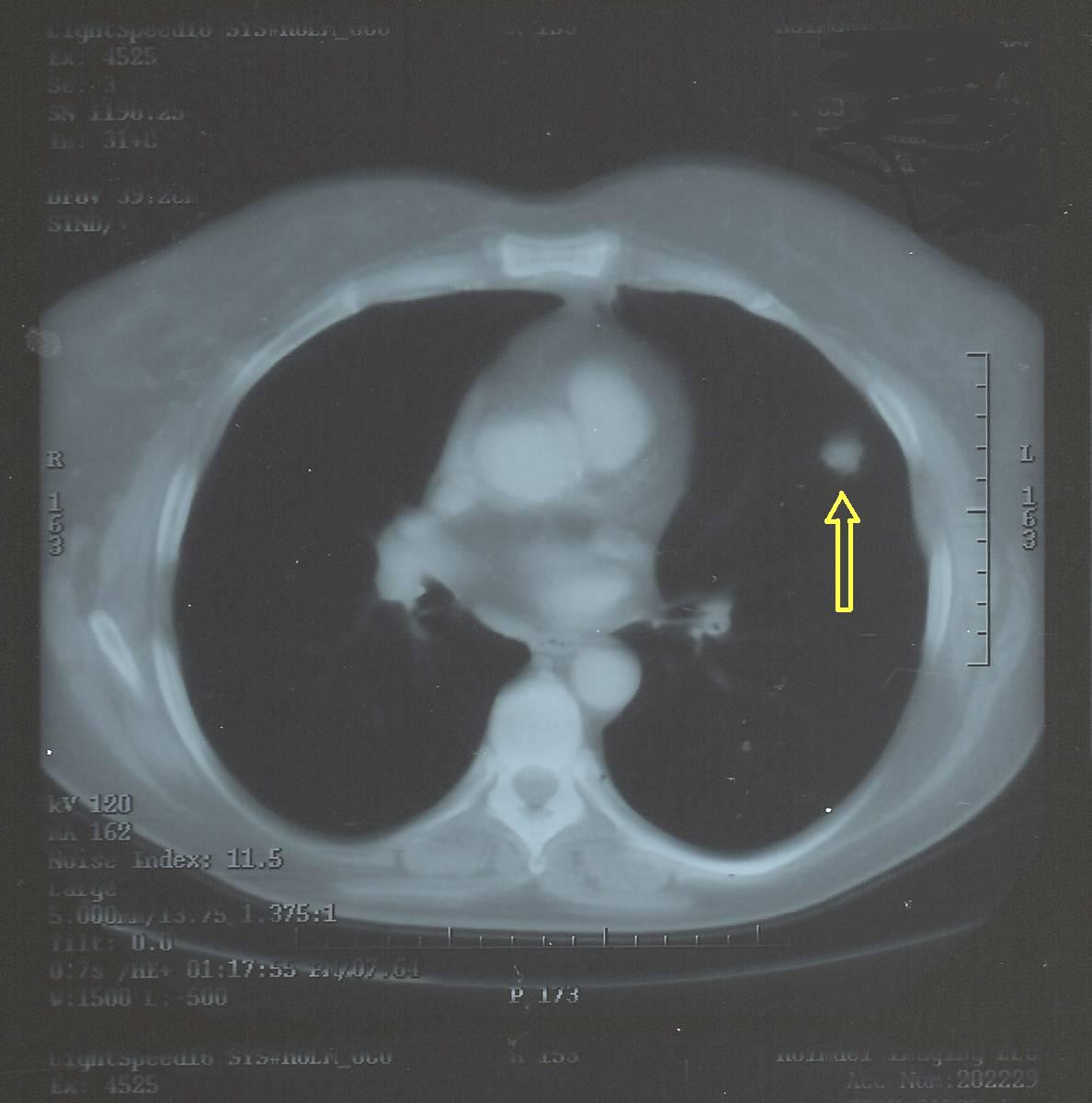
The Vatican announced that the Pope has a lung nodule detected in exams; the presence of the lesion requires investigation, but does not by itself mean a cancer diagnosis, according to specialists cited by ANSA. The pulmonologist Federico Venuta (Università La Sapienza / Policlinico Umberto I) notes that the management depends on clinical assessment and additional tests.
What is a lung nodule
- A lung nodule is an isolated opacity, usually round in shape and small in size, appearing on radiological images as a denser area compared to the surrounding lung tissue.
- By definition, the nodule has a diameter under 3 centimeters; when the lesion is larger, it is usually classified as a mass.
- On computed tomography (CT) and X-ray, the nodule appears as a “small coin” in the lung, but simply viewing it does not distinguish benign from malignant causes.
- According to Federico Venuta, the presence of the nodule “requires evaluation, but does not, by itself, permit a tumor diagnosis” — in other words, it is a sign that demands integration with other clinical data (patient history, symptoms, risk factors) and with additional tests such as high-resolution CT, PET-CT, or biopsy.
How it is diagnosed and when to intervene
- An isolated nodule is not automatically cancer. The assessment follows clinical principles: size, margin characteristics, presence of calcifications, growth on serial exams, and patient factors (age, smoking, occupational exposure).
- Initial screening is typically done with X-ray or CT; CT is the preferred exam to characterize the nodule. In some cases, a PET-CT helps assess metabolic activity, but it is not definitive.
- To decide the course of action, doctors consider three main possibilities:
- Active surveillance with serial imaging for low-risk or stable nodules.
- Image-guided percutaneous biopsy or bronchoscopy to obtain a histological diagnosis when there are signs of malignancy.
- Surgery for diagnostic and therapeutic removal when suspicion is high or when the nodule grows.
- Venuta and other thoracic surgeons emphasize that, when intervention is indicated, there are alternatives to open thoracotomy: minimally invasive techniques such as video-assisted thoracoscopic surgery (VATS) and robotic surgery allow removal of lung nodules with shorter recovery times, less postoperative pain, and shorter hospital stays.
- The choice between surveillance, biopsy, and surgery depends on balancing malignancy risk with surgical risk. In many centers, multidisciplinary teams (pulmonology, radiology, thoracic surgery, oncology) determine the care pathway.
- ANSA’s article reminds that the presence of the nodule requires complete clinical information: without this context, any conclusion about malignancy is premature.
Minimally invasive techniques in thoracic surgery
- The most commonly used minimally invasive approaches today are video-assisted thoracoscopic surgery (VATS) and robot-assisted thoracic surgery. Both provide access to the lung through small incisions, with the aid of a camera and long instruments.
- Benefits cited by specialists include less pain, less bleeding, preservation of lung function, and faster recovery compared to the traditional open procedure.
- For small or peripheral nodules, segmental or wedge resection via a minimally invasive route is often sufficient and serves both diagnostic and therapeutic purposes.
- When the lesion is very small or subpleural, preoperative markers guided by CT (such as wires or radiopaque materials) help locate the target during a minimally invasive procedure.
Context and relevance for Brazilians and descendants
- The Vatican’s announcement about the nodule draws public attention; for those who follow Vatican news — including Brazilians and descendants of Italians — the technical explanation helps avoid premature conclusions linking the finding to cancer.
- The piece reinforces that detecting a lung nodule requires detailed medical evaluation, integration of clinical data, and, when indicated, use of modern diagnostic and therapeutic techniques.
- Readers seeking updates on Italy and the Vatican can follow more coverage in Notícias da Itália; those looking for information about living in Italy can find useful material in Vida na Itália. For institutional topics and procedures involving Italian authorities, the portal also publishes pieces related to Cidadania Italiana.
Conclusion: the discovery of a lung nodule, as in the Pope’s case, requires methodical investigation. Not every nodule is cancer; the decision between surveillance, biopsy, or surgery should consider individual risk and availability of resources such as minimally invasive techniques when resection is necessary. According to the original coverage, case evaluation should be performed by a specialized team, with appropriate additional tests, as explained by Venuta and reported by the press.

Source: ANSA