Solar Time and Social Jet Lag: Tips for Better Sleep
With the return of solar time (Oct 24-25), one extra hour rarely fixes accumulated sleep debt. Experts explain causes of social jet lag and offer tips.
On the night between October 24 and 25, the clocks will move back one hour, but experts warn that this extra hour rarely resolves accumulated sleep debt; the situation, they say, reflects a lifestyle that keeps large portions of the population in a perpetual social jet lag, according to a report by ANSA.
What changes with the return to solar time
With the transition to solar time, occurring in the early hours of October 24-25, clocks are set back by one hour — theoretically gaining extra sleep time. However, as the report explains, this change is only a punctual adjustment: the extra hour does not erase weeks or months of sleepless nights. The expectation that a single night can “make up” for fatigue is, in practice, illusory for those who accumulate prolonged sleep deficits.
Why we live in a "perennial jet lag"
ANSA reports that the problem is not the act of moving the clock forward or backward itself, but the daily routine that creates a constant difference between the social clock and the individual biological clock. Among the factors cited are:
- alarms that force waking up before the body is ready;
- long days with many commitments that squeeze sleep time;
- extended time spent indoors with little exposure to natural light;
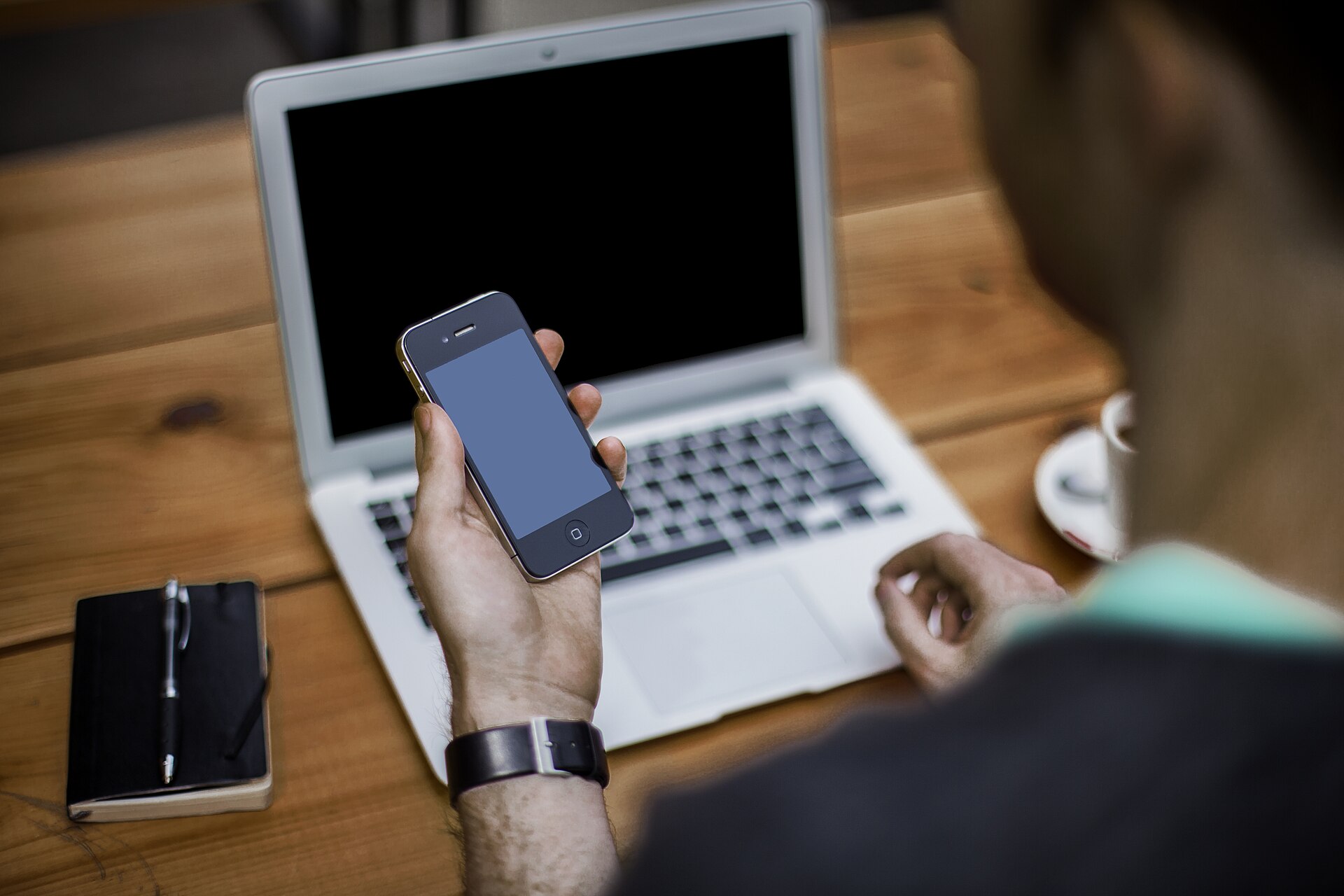
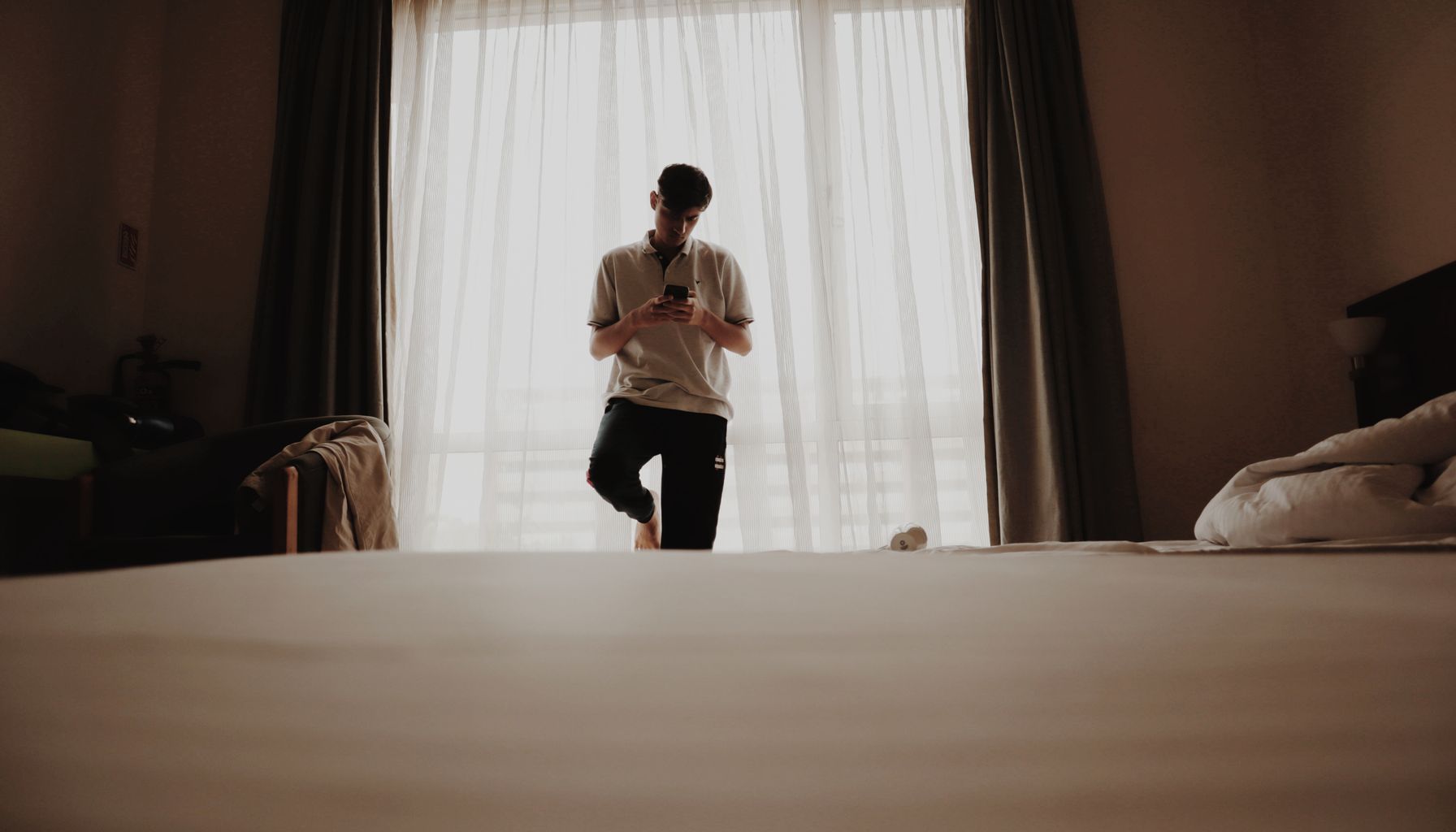
- using smartphones up to minutes before bedtime, which reduces melatonin production.
The report also highlights that attempts to "recover" sleep only on weekends — sleeping much more on Saturdays and Sundays — promote desynchronization of the biological clock, worsening the feeling of chronic fatigue, the so-called social jet lag.

Alert and expert opinion
According to ANSA, Vincenzo Tullo, a neurologist and sleep medicine specialist at Doctolib, states that "sleeping less than necessary has become the norm for many people." Tullo interprets the situation as the result of social and technological habits that force the body to live out of its natural synchrony, creating a reality comparable to jet lag for travelers between time zones, even when staying at home.
The specialist’s analysis reinforces that the problem has a population-wide dimension and cannot be solved with small, one-off measures; a change in habits and policies that promote regular sleep practices is necessary.
Practical advice
ANSA summarizes recommendations that sleep experts, including Tullo, suggest to mitigate the effects of social jet lag and improve sleep quality:
- acknowledge that the clock change is not enough to recover accumulated sleep;
- maintain regular sleep and wake times, including on weekends, to preserve the regularity of the biological clock;
- limit screen use (smartphones, tablets, computers) in the hours before sleep — blue light interferes with melatonin production;
- prioritize exposure to natural light in the morning and reduce intense artificial lights at night;
- create a relaxing pre-sleep routine (reading, warm bath, controlled breathing) and avoid stimulants in later hours of the day.
These measures are practical and applicable both in daily contexts and in time- adjustment scenarios such as returning to solar time.
Relevance for Brazilians and descendants
Even for Brazilians and descendants living in countries that do not observe daylight saving time, the concept of social jet lag is relevant. Stressful routines, lengthy work days, and heavy device use affect sleep hygiene in any country. Tips on scheduling, light exposure, and reducing nighttime stimuli apply to readers seeking to preserve health and productivity, whether in /vida-na-italia, in information about /cidadania, or following /noticias sobre a Itália.
Acknowledging that the problem is systemic is the first step toward making changes that promote restorative sleep and greater well-being.
Conclusion: the shift to solar time offers temporary relief, but experts consulted by ANSA remind us that fighting social jet lag requires daily habits aligned with the biological rhythm — only then will the extra hour have real effects on accumulated fatigue.
Source: ANSA