
Extract vs Full Copy: What to Request from the Comune?
Learn the difference between extract and full copy, when to request each document, and how to obtain them from the comune for judicial Italian citizenship.
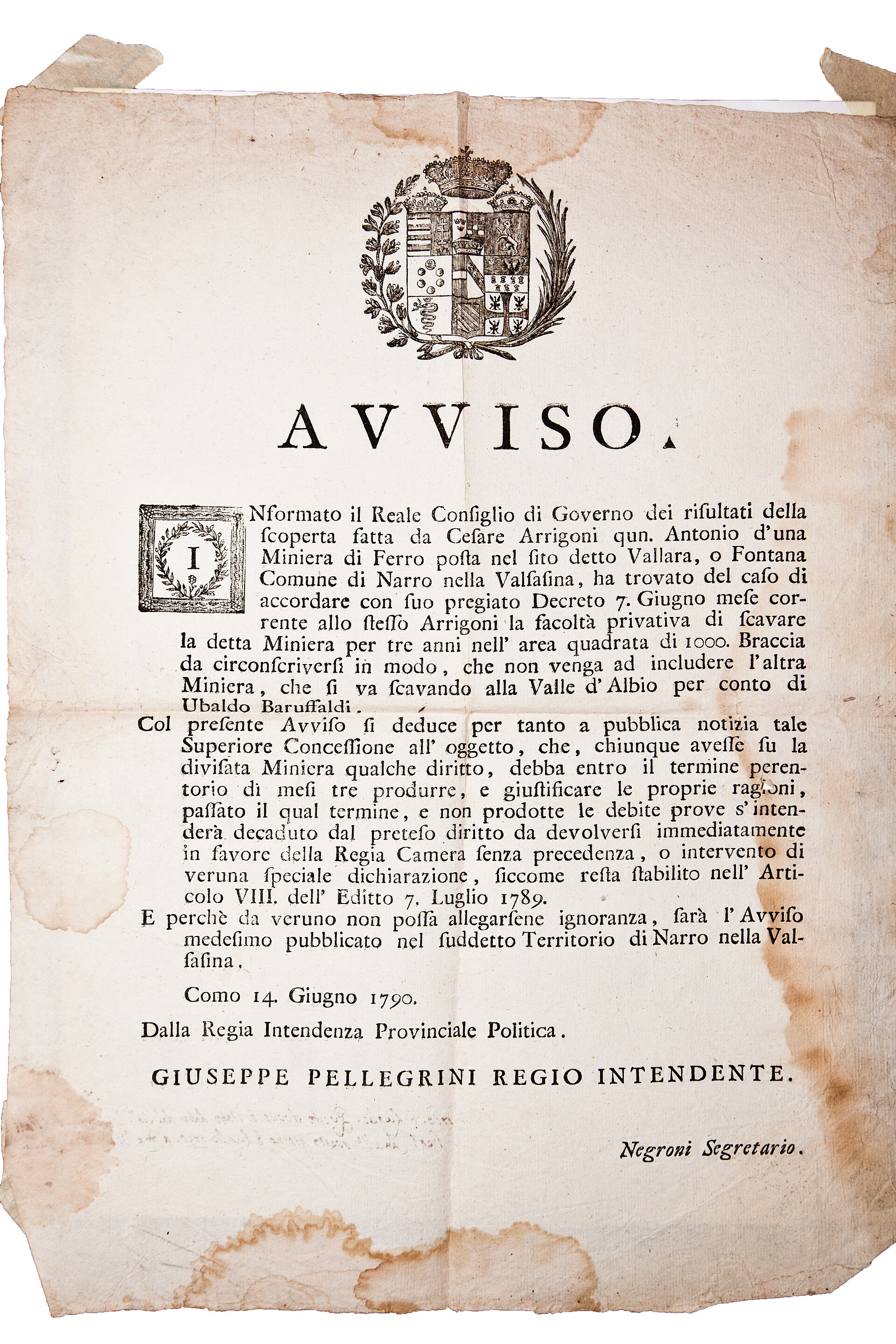
Extract vs Full Copy: What to Request from the Comune?
Categoria: citizenship
Extract and full copy are distinct documents issued by Italian municipalities; choosing the correct one is crucial for Italian citizenship processes, especially in judicial recognition actions (jure sanguinis). This guide explains differences, when to request each, how to apply at the comune, and provides practical steps to avoid rework. Note: after the Tajani Decree (DL 36/2025, converted into Law 74/2025) there were important changes restricting administrative and consular routes — see the section "Changes since 2025".
What an extract of the certificate is and what a full copy is
- Extract: a summary of the certificate (birth, marriage, death) with the essential information — dates, place, filiation, and main legal annotations. It serves administrative purposes when the full content of the record is not required.
- Full copy: a complete transcription of the original civil status record, with all rubrics, signatures, margins and any notes. It contains the entire content of the act as it appears in the state civil book.
Key legal/content differences:
- The full copy is usually preferred in judicial proceedings because it shows the literal content of the act and any annotations that may be relevant (for example, transcriptions of corrections, endorsements).
- The extract is more concise; it can be sufficient in some administrative contexts or when the judge accepts this format, but in judicial recognition actions it often will require the full copy, especially if there are doubts about filiation, naturalization endorsements, or corrections.
When each document is accepted in the judicial citizenship process
- Lawyers and courts frequently require a full copy to instruct recognition actions of citizenship (jure sanguinis), but the need depends on the judge's request and the parties' strategy.
- In some cases, an extract accompanied by supplementary documents may be admitted, but the judge tends to request the full copy when there is any doubt about the record’s content or notes of naturalization/corrections.
Practical note: reports and news articles often discuss forensic and administrative practices, but the controlling source is always the law, binding jurisprudence (for example, decisions of the Sezioni Unite where applicable) and the magistrate’s orders.
Common requirements, mistakes, and impact on deadlines
Common requirements — information mandatory in both:
- Full name of the registrant, date and place of birth/marriage/death.
- Filiation (parents’ names) when listed in the record.
- Signature and seal of the ufficio dello stato civile or municipality stamp.
- Indication of the book and page of the record (when present).
Common mistakes when requesting and how to avoid delays:
- Requesting an “extract” when the process requires a full copy — always confirm with the lawyer which format the court requested.
- Requesting the document without explicitly noting the need to verify naturalization endorsements of the ancestor — explicitly ask the comune to verify and provide copies of marginal notes.
- Using invalid translations or apostilled documents — check with the office handling the judicial process about the required type of legalization.
- Generic requests to the comune can generate rework; always file in writing (preferably via PEC if the comune accepts) and keep the protocol number.
Impact on procedural deadlines and validation in Italy:
- Providing an incomplete document can lead to diligences and postponements during the evidentiary phase.
- After DL 36/2025 (Law 74/2025), administrative and consular routes were restricted (see the section below). Correct obtaining and presentation of certificates from the outset is even more important to avoid further judicial diligences.
How to apply at the comune vs via court: changes since 2025 (essential)
- The Tajani Decree (DL 36/2025, converted into Law 74/2025) introduced significant and restrictive changes to administrative and consular routes for citizenship recognition.
Key points readers should understand:
- It is no longer possible to obtain administrative recognition of jure sanguinis citizenship directly at the comune for most foreign residents: the administrative route at the comuni has largely been removed for this type of request.
- The consular route was concretely restricted: consulates can now process requests only for children and grandchildren of Italians; great-grandchildren and later generations no longer have the consular route available. (DL 36/2025 / Law 74/2025)
- The decree has retroactive material effect that affects the birthright: the rule states that someone born outside Italy and not a child or grandchild of an Italian NEVER WAS ITALIAN. In other words, the decree retroacts to birth and eliminates a material right that previously existed for more distant generations — a substantial change that prejudices applicants of those generations.
- Procedures filed BEFORE the decree’s effective date are protected by the decree’s text; it is crucial to distinguish this procedural protection from the issue of material retroactivity that affects birthright.
- The judicial route remains the main path for many applicants, but the new regime and the retroactivity question alter the legal framework and strategies.
Now at the comune:
- It is still possible to request an extract or full copy of civil records. However, the comune is no longer the administrative recognition route for most jure sanguinis cases; applicants typically must seek judicial recognition when the request involves generations that are not children/grandchildren.
- When requesting documents, insist on stamped paper certificates, with date, signature, and the comune’s stamp, and explicitly request any marginal note related to naturalization.
Judicial route:
- The attorney can request the judge to issue letters to the comune or to attach full copies to the case file.
- Courts may require sworn translations and legalization/apostille according to applicable international rules.
Additional documents that typically accompany each certificate
- Certificate of non-naturalization (when needed), powers of attorney, applicants’ identity documents and sworn translations.
- Haia Apostille when required for use in court.
Careful with naturalization confirmation and validity period
- Check if the certificate indicates the place of naturalization (birthplace) and any naturalization endorsements; without this, additional diligences may be necessary.
- In general, recently issued certificates are preferred; confirm with the judge or attorney about acceptability timeframes in the jurisdiction.
Practical cases and steps
Steps to request the correct extract:
- Confirm with the attorney which type (extract per summary or extract per birth) is accepted in the judicial petition.
- When making the request at the comune, specify: full name, date of birth, book/page if known, and request mention of endorsements and copies of marginal notes.
- Request the document in the format “copia conforme all’originale” if available, with stamp and signature.
- Also request copies of any marginal notes.
When to opt for the full copy:
- Whenever there is doubt about notes, corrections or legitimacy of the filiation; when the judge requires full proof of the act’s content; when there is a history of corrections.
- The full copy is often indispensable if the case relies on textual details of the record.
Tips to speed receipt and avoid rework:
- Provide the comune with clear ID documents and proof of family ties.
- File the request in writing (preferably via PEC if the comune accepts) and keep the protocols.
- Anticipate sworn translation and apostille needs to avoid delays after issuance.
Quick summary best practices and final checklist
- Always consult the attorney about which document the court requires: extract or full copy.
- When requesting from the comune, explicitly request verification of naturalization endorsements and copies of the marginal notes.
- Use written requests and keep protocols; request stamped, signed documents with reference to the registry.
- Prepare sworn translations and apostille in advance to attach to the case.
Checklist:
- Type of certificate defined by the attorney (extract vs full copy).
- Written/protocolled request at the comune with request for endorsements.
- Document with stamp, signature, and registry reference.
- Sworn translation and apostille (if required).
- Additional copies for the judicial process.
Where to find reliable legal support
- Seek attorneys specialized in Italian citizenship law with experience in recognition actions; check references and prior decisions.
- Monitor legal sources and legislative updates (Gazzetta Ufficiale, decisions of the Sezioni Unite, rulings of the Constitutional Court where applicable) to understand the impacts of norms like DL 36/2025 / Law 74/2025.
Conclusion Choosing between an extract and a full copy directly affects the progression of Italian citizenship judicial processes. After the Tajani Decree (DL 36/2025, converted into Law 74/2025), it became essential to understand that administrative routes at the comuni were largely restricted, consular routes limited to children and grandchildren, and the rule introduced retroactive effects impacting birthright for certain generations. Procedures filed before the decree’s effective date are protected by the decree’s text. Always confirm the strategy with the responsible attorney to avoid procedural delays and rework.