
Cassation Rejects Appeals, Maintains Taranto Ex-Ilva Hot Area Halt
The Court of Cassation rejected all appeals against the suspension of the hot area of the former Ilva in Taranto, upholding the Milan decree and the 90-day execution window.
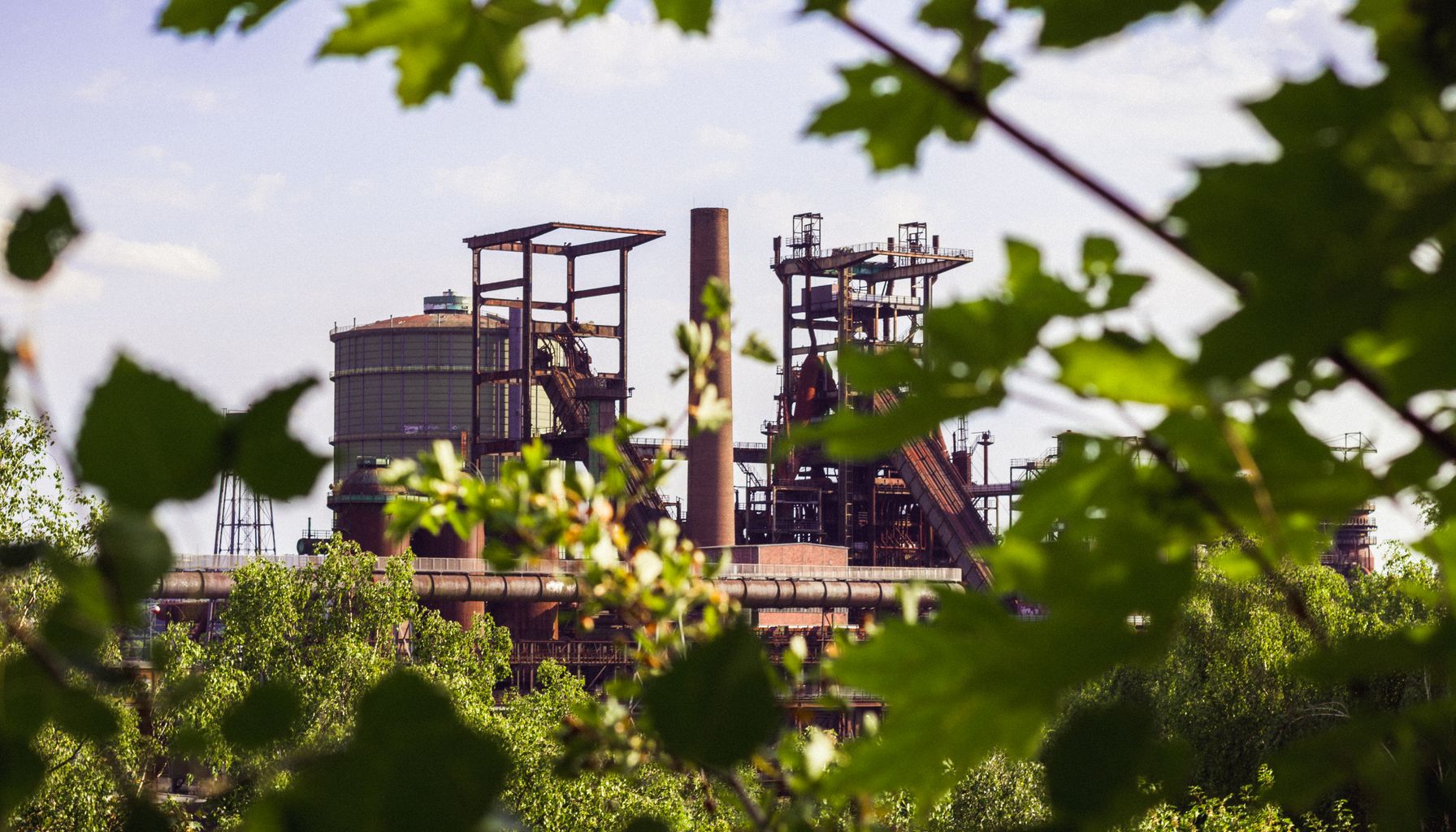
The Court of Cassation rejected all appeals against the suspension of the hot area of the former Ilva complex in Taranto, upholding the Milan Court of Appeal decree that ordered the shutdown of the furnaces and set a timeline for implementing the measures. According to ANSA, the decision confirms the validity of the lower court motivations.
Court of Cassation decision on the ex-Ilva, Cassation, and Taranto
The Court of Cassation rejected all appeals filed by Acciaierie d'Italia and by Ilva in administration extraordinaria, deeming the grounds insufficient to overturn the Milan judges' determinations. As a result, the Milan Court of Appeal's decree ordering the suspension of activity in the hot area of Taranto's steel complex remains in force, as reported by ANSA.
The rejection occurred within the scope of extraordinary appeals challenging both the existence of emergency reasons and the legality of the measures imposed. By denying relief, Cassation maintained the orders from the first and second instance and reinforced the executory nature of Milan's determination.
Legal grounds of the rejection
Italian judges of Cassation considered that the lower courts adequately grounded their conclusion on the existence of dangers that were "grave and relevant", supported by technical and expert evidence. The court held that:

- The risk assessment and need for intervention were based on sufficient evidentiary elements.
- The application of the precautionary principle was appropriate given potential environmental and health impacts.
- The measure did not violate the principle of proportionality, according to the interpretation of earlier courts.
According to ANSA, Cassation reaffirmed that the suspension, limited by time and scope, falls within the cautelary judge's powers when the severity of the risk is demonstrated.
Timeline and measures previously determined
The Milan Court of Appeal had set a 90-day timeline for completing the operations necessary to suspend the equipment in the hot area, a period intended to allow a controlled shutdown and safety-related technical measures. Before Cassation’s ruling, the Italian government had issued a decree permitting the ex-Ilva commissioners to keep the equipment in preheating, temporarily extending operation to avoid immediate technical damages during the shutdown process.
The government decree acted as a provisional measure to reconcile the judicial order with operational and safety requirements of the furnaces until the Supreme Court ruled.
Current furnace situation and immediate effects
With the Cassation rejection, the judicial order to stop the hot area remains in effect according to the motivations of the lower courts. This means the suspension must be carried out as established by Milan's court, respecting the timeline and technical steps defined for the safe shutdown of the furnaces.
Until Cassation’s decision, the equipment remained in preheating due to the government decree, but that extraordinary support lost practical effect after Cassation upheld the judicial decree's validity. The concrete execution of shutdown operations will continue under technical supervision and with the oversight of competent authorities, as reported by ANSA.
Relevance for Brazilian readers and descendants of Italians
The decision has significant implications for those monitoring Italy's economy and industrial sector, as well as descendants with family or business ties in Taranto. Points of interest include:
- Local socio-economic impact — suspending the hot area could affect jobs and suppliers in the steel supply chain.
- Environmental and public health issues — the judicial motivation tied to grave risks reinforces attention to environmental quality in Taranto.
- Legal and regulatory developments — the episode demonstrates how judicial measures and administrative acts can interact in strategic sectors.
Readers looking to follow this type of news can consult other coverage on Italy and topics of citizenship and life in the country in our sections Notícias da Itália, Cidadania Italiana, and Vida na Itália.
The Cassation decision confirms the Milan decree and the need to execute the hot area suspension measures.
Conclusion: The Court of Cassation upheld Milan's decision ordering the shutdown of the Taranto ex-Ilva hot area, rejecting all appeals and preserving the schedule and motivations linked to grave risk and precaution. The impact involves economic, social, and environmental aspects of local and international relevance, especially for those following the Italian industry.
Source: ANSA