
Bologna Recognizes Italian Citizenship for Italian-Brazilian Family
Tribunale di Bologna judges Italian descent case for Brazilian family: ancestor never naturalized as Brazilian, key condition for recognized citizenship right.
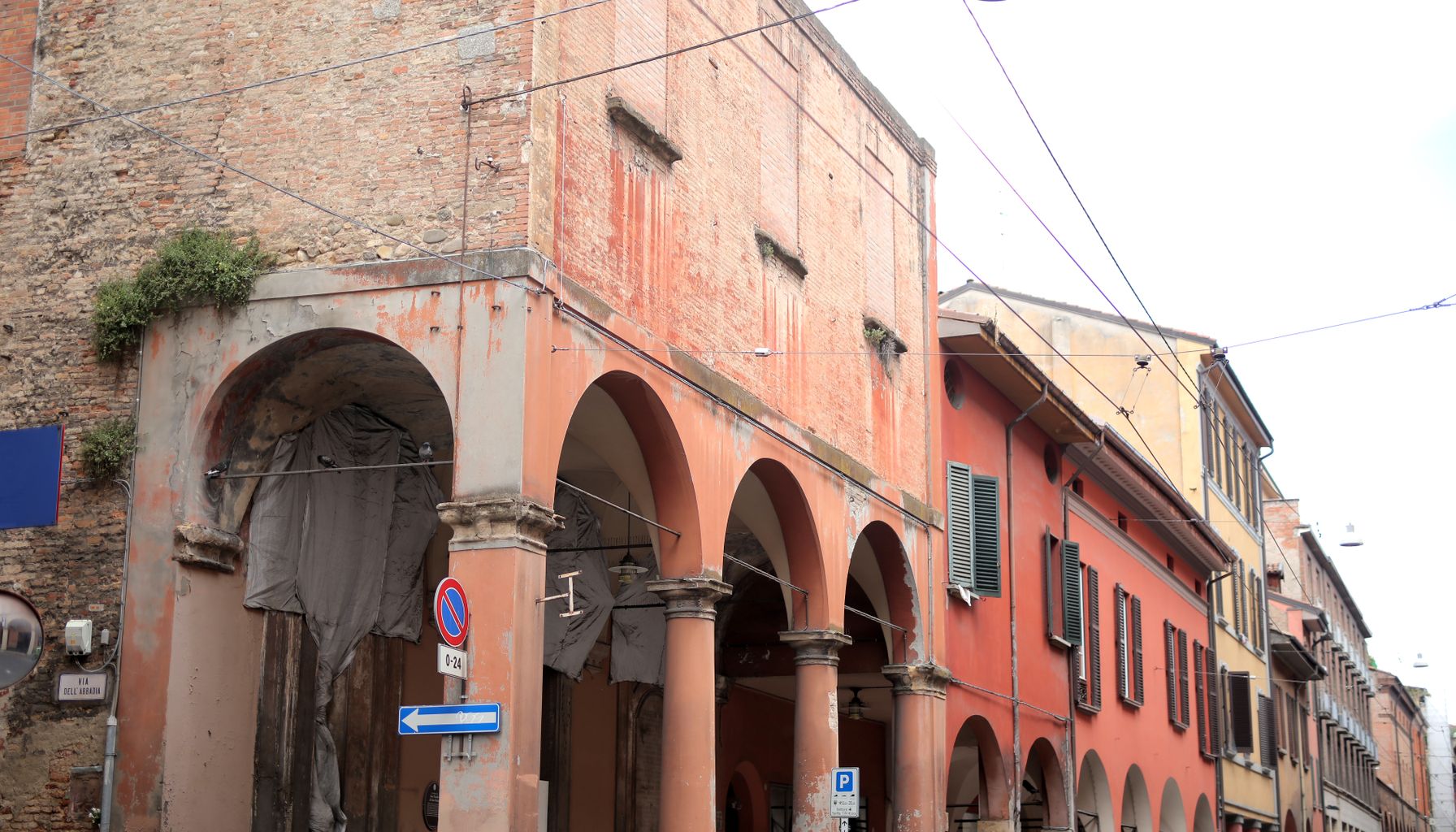
The Tribunale di Bologna recognized Italian citizenship for a group of 14 Brazilian citizens descended from the same Italian immigrant, in a decision that reinforces the importance of proving that the ancestor never naturalized as Brazilian. Ruling no. 5730/2026, published on September 15, 2026, judged case R.G. 6556/2024, brought by a family seeking judicial recognition of Italian citizenship by descent.
What the Bologna Court Decided
According to the text of the decision published by Diritto Pratico, the action was brought by 14 Brazilian citizens, all direct descendants of an Italian immigrant born in the province of origin stated in the case documents. The claimants requested judicial recognition of Italian citizenship by descent (jus sanguinis) and, in the case of one of the claimants, also by marital bond (iure matrimonii).
According to the case publication, the Italian Ministry of the Interior, represented by the Avvocatura dello Stato, remained contumacious—that is, it presented no substantive defense throughout the proceedings. The Public Prosecutor's Office (Pubblico Ministero) also participated in the case, as provided in Italian legislation for this type of action involving civil status.
Ultimately, the court granted the requests, recognizing the status of Italian citizens to all claimants who proved the genealogical connection and compliance with legal requirements.

The Basis of the Claim: The Ancestor Who Never Naturalized
The central point of the case, according to the ruling text, was proving that the Italian ancestor emigrated to Brazil and lived there without ever becoming a naturalized Brazilian citizen. This detail is decisive in Italian citizenship by descent cases: if the immigrant had naturalized as Brazilian before the birth of his children, the chain of transmission of Italian citizenship could have been interrupted, depending on the date of naturalization and Italian legislation in force at that time.
To support this point, the claimants presented to the court a detailed family tree, documenting the connection between each of the 14 claimants and the immigrant of origin, generation after generation. Birth, marriage, and death certificates, as well as documents attesting to the absence of the ancestor's naturalization, composed the body of evidence analyzed by the Tribunale di Bologna.
This type of proof is often one of the greatest challenges faced by Brazilian families seeking Italian citizenship, as it requires research in historical archives both in Brazil and in Italy.
The Specific Request for Citizenship by Marriage
Beyond the descent route, one of the claimants sought recognition of Italian citizenship through marital bond, a distinct modality that depends on its own requirements, such as length of marriage and, in some cases, residence. This request was analyzed by the Tribunale di Bologna together with the other descent cases, within the same collective action.
The combination of requests by descent and marriage in a single lawsuit is not uncommon in proceedings involving extended family units, in which different members may have the right to Italian citizenship through distinct but complementary avenues.
What Changes in Practice for Brazilian Families
The Bologna decision reinforces that judicial citizenship actions in Italy remain a viable path for Brazilian families, especially when there is complete documentary proof of the non-naturalization of the Italian ancestor. Courts like Bologna's have processed this type of action relatively swiftly when documentation is well organized.
The absence of substantive defense by the Ministry of the Interior, as occurred in this case, is common in this type of proceeding—but this does not eliminate the need for robust evidence on the part of the claimants. The burden of proving the genealogical link and compliance with legal requirements remains with the action's initiators.
For many families, the judicial route has become an alternative in the face of waiting lines at Italian consulates in Brazil, which in many cases take years just to schedule a simple appointment. Collective actions, bringing together several members of the same family in a single lawsuit, have also been used as a strategy to optimize time and costs.
Attention to Recent Changes in Law
It is important to note that judicial proceedings for recognition of citizenship by descent underwent rule changes following the entry into force of the Decreto Tajani and Lei 74/2025, which significantly restricted the scope of the right to Italian citizenship by jus sanguinis for generations more distant from the Italian ancestor.
For this reason, families intending to file actions similar to the one judged by the Tribunale di Bologna should verify, with the help of a specialized attorney, whether their own genealogical profile still fits the current requirements of Italian law, since the rules applicable to new cases have changed compared to the scenario prior to the decree.
The decision commented on in this report was originally published by the Italian legal portal Diritto Pratico (dirittopratico.it), specialized in the disclosure of rulings from Italian courts on citizenship and civil law topics.
Conclusion
The case judged by the Tribunale di Bologna illustrates how proving that the Italian ancestor never naturalized as Brazilian continues to be a central piece in citizenship recognition proceedings by descent. At the same time, the decision reinforces the importance of monitoring recent changes in Italian legislation before filing a similar lawsuit. More updates on the topic can be found in the news from Italy and life in Italy sections of Raízes Italianas.
Want to know if you have the right to Italian citizenship? Speak with specialized consulting.