
Documents to Travel to Italy in 2026: Complete Guide
Find out which documents Brazilians need to travel to Italy in 2026: passport, ETIAS, travel insurance, and rules for descendants. Full checklist inside.
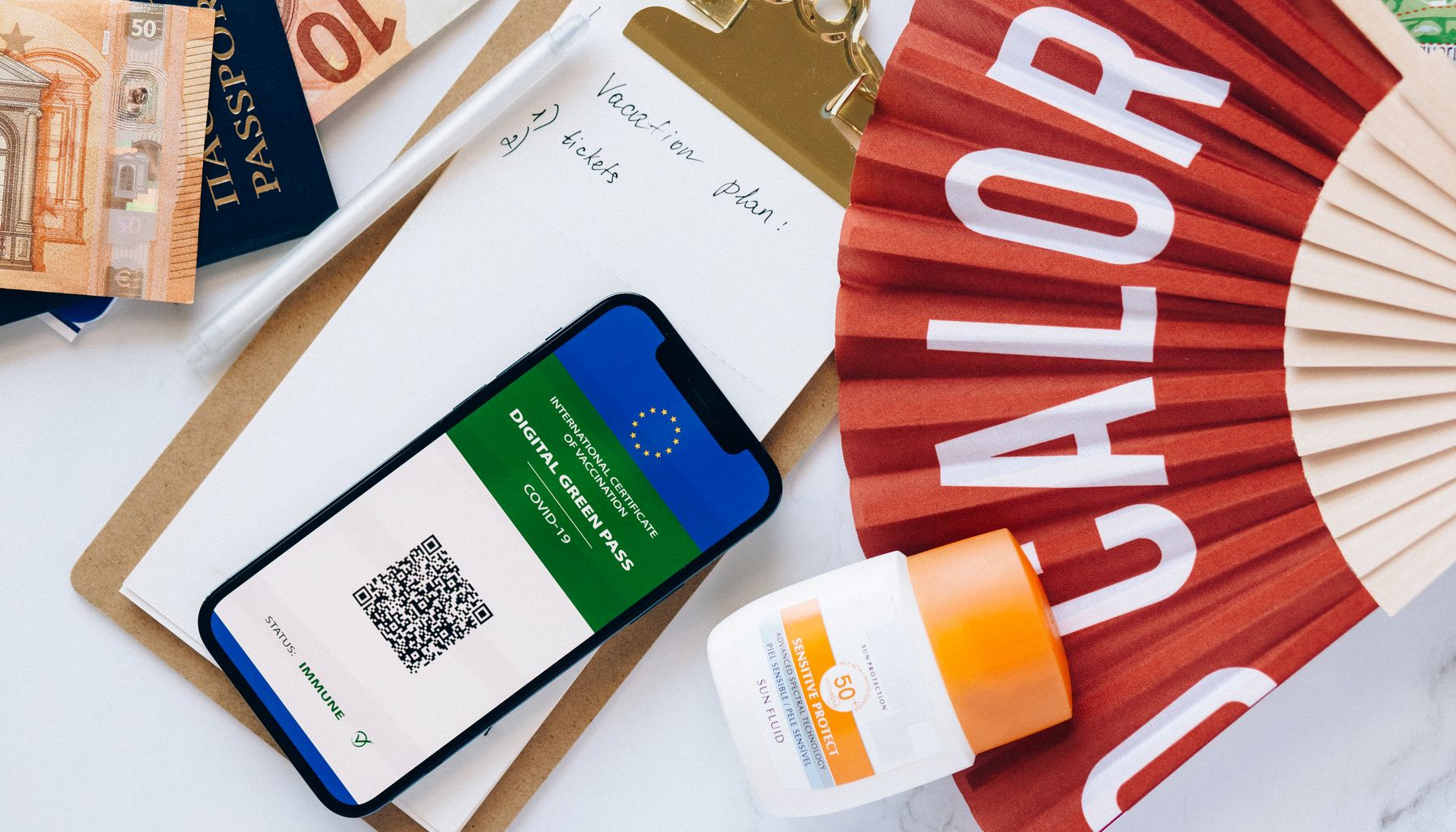
Traveling to Italy in 2026 requires extra attention to documentation, especially after the launch of ETIAS, the new European electronic travel authorization system. A passport with adequate validity, travel insurance, and proof of accommodation remain mandatory, but this new requirement changes the routine for those planning their trip in advance. This guide brings together the complete checklist for Brazilians heading to Italy, whether as tourists or as descendants going through the citizenship process.
Passport: validity and rules for Brazilians in 2026
A passport is the basic document for any international trip, and to enter the Schengen Area — the bloc that includes Italy — the European Union requires it to have a minimum validity of three months beyond the planned departure date from European territory. In practice, most airlines and immigration agents recommend an even wider safety margin, avoiding travel with a document close to expiration.
Beyond the minimum validity, the passport must have been issued less than ten years before the date of entry into the European bloc. Older documents, even with an apparently valid expiration date, may be refused at boarding.
To apply for or renew a Brazilian passport, the process is handled by the Federal Police, either in person or by prior appointment through the agency's official website. Since issuance times can vary depending on demand at each office, it's recommended to start the process at least two or three months before the travel date.
Those who have already had their Italian citizenship recognized are in a different situation: they can travel with an Italian passport, a document from a European Union member state, which exempts them from the specific requirements imposed on Brazilian tourists — including ETIAS itself, as detailed below. Those still going through the citizenship process, but who haven't yet completed recognition, must travel as regular Brazilian citizens, following all the rules in this guide.
ETIAS: the new mandatory electronic authorization
ETIAS (European Travel Information and Authorisation System) is the new electronic travel authorization system of the European Union, required for travelers from countries that, like Brazil, were previously exempt from visas for short stays in the Schengen Area. This requirement represents a significant change in the routine of those traveling to Italy for tourism, business, or family visits, and the rules have been closely monitored by the Italian government itself and by European immigration authorities.
Unlike a traditional visa, ETIAS does not require a consular interview. The application is done entirely online, through the system's official website and app, by filling in personal data, passport information, and a questionnaire about health, security, and travel history. In most cases, approval is automatic and happens within minutes, but the system itself recommends applying somewhat in advance, since a portion of requests may take longer due to manual review.
The authorization fee is charged at the time of application and has a value set by the European Union, subject to updates — so it's always worth checking the current fee directly on the official ETIAS channel before paying.
Once approved, ETIAS is valid for three years or until the expiration of the passport used in the application, whichever comes first, allowing multiple entries into the Schengen Area during that period, respecting the limit of up to 90 days within any 180-day period. If the traveler changes passports before the ETIAS expires, a new application becomes necessary. To keep up with changes in entry rules, it's worth periodically checking the latest news on visas and entry rules for Italy before finalizing the trip.
Travel insurance: a practical requirement and recommendations
Although travel insurance is not formally listed as a required document under ETIAS for Brazilians, it is strongly recommended — and may be requested by immigration officers upon arrival, especially in cases of stricter enforcement. Not having insurance can cause problems at entry and, more importantly, leaves the traveler unprotected in the event of medical emergencies in Italy, where private care is expensive for foreigners.
The minimum recommended coverage for traveling within the Schengen Area is 30,000 euros for medical and hospital expenses, including medical repatriation in severe cases. This amount is a market benchmark used by several insurers operating in the international travel segment, and it's worth checking whether the policy purchased meets this minimum.
When choosing an insurer, it's important to compare not just the price but the coverage offered: emergency dental care, lost luggage, flight cancellation, and assistance in case of lost documents are all details that make a difference during the trip. Checking reviews from other travelers and verifying whether the insurer has a service network in Italy are precautions that help avoid headaches later on.
The insurance certificate should be carried in both printed and digital versions, saved on the phone and, if possible, in an email accessible offline. This avoids problems if a border agent requests the document and there's no internet connection available at the time.
Additional documents for the trip
Beyond passport, ETIAS, and insurance, Italian immigration may request other documents to confirm the purpose and feasibility of the stay. Among the most common are:
- Proof of accommodation reservation — a hotel voucher, inn reservation, or invitation letter from whoever will host the traveler, when applicable;
- Return ticket or onward travel — confirming that the stay will not exceed the allowed period;
- Proof of income or financial reserves — bank statements, an international credit card, or another document showing the ability to cover the costs of the stay.
There is no single official amount required by Italy for proof of financial means, and requests for this type of document usually occur in specific situations, at the discretion of the immigration officer. Even so, having these papers organized helps avoid surprises.
On the health side, although Italy does not require specific vaccination proof from Brazilians in most situations, it's advisable to carry an updated vaccination card, especially for travelers with pre-existing health conditions, along with translated medical prescriptions for any continuous-use medications being carried.
Those planning their first trip to the country can also check out a complete itinerary for first-time travelers to Italy, with practical tips on transportation, accommodation, and top destinations.
Special situation: Brazilians with dual Italian citizenship
Brazilians who have already completed the Italian citizenship recognition process travel under very different conditions than a regular tourist. As Italian citizens — and therefore citizens of the European Union — they don't need ETIAS, aren't subject to the 90-day-in-180 limit, and can move freely throughout the Schengen Area using their Italian passport.
For this, it's essential to have Italian documentation in order: a valid Italian passport is the main travel document, and many descendants also choose to obtain the carta d'identità (Italian identity card), useful for procedures within Italy and other European Union countries, although it doesn't replace the passport for international travel outside the bloc.
At the border, a dual citizen should preferably go through the European Union passenger lane, which usually speeds up the immigration process. It's also important to carry documents proving Italian citizenship, such as the Italian marriage or birth certificate used in the recognition process, especially on trips taken shortly after completing the process, when the Italian passport may still be pending or the records in European systems may not yet be fully updated. For those still gathering documentation on their ancestors, researching certificates in Italy is often a necessary step before completing the process.
Common mistakes and tips to avoid immigration problems
Among the most frequent mistakes made by Brazilians traveling to Italy is outdated documentation: a passport nearing expiration, an ETIAS linked to a passport that has since been replaced, or travel insurance with coverage below what's required for the Schengen Area. All of these details can raise questions at immigration and, in extreme cases, prevent boarding.
Another common problem is the lack of printed proof. Relying solely on a phone to present reservations, insurance, or travel authorization is risky: a dead battery, lack of signal, or technical issues can complicate matters right when the document is requested.
To avoid setbacks, here are some practical recommendations:
- Organize a physical folder and a digital folder with copies of all documents, including passport, ETIAS, insurance, reservations, and proof of funds;
- Send scanned copies to your own email as an additional backup;
- Check the validity of all documents at least 30 days before departure;
- Verify that all ETIAS information matches exactly with the passport that will be used for the trip.
Those who already live in Italy or plan to spend longer periods there can also find useful guidance in the Life in Italy section, with content about daily routines, documentation, and adapting to the country.
Advance preparation of documentation is what separates a smooth trip from one full of unexpected issues upon arrival in Italy. With ETIAS now added to the already familiar requirements, Brazilians planning to visit the country in 2026 need to set aside extra time to gather and check each document before finalizing their trip — a simple precaution that avoids trouble at the border and ensures greater peace of mind throughout the entire stay.
Want to know if you're entitled to Italian citizenship? Talk to a specialized advisory team.