7-Day Italy Itinerary: North to South First Trip
Plan your first trip to Italy with this 7-day itinerary: cities, transportation, costs, and tips for descendants searching for their roots.
A first trip to Italy is often born from a long-held dream: seeing Rome, viewing the Leaning Tower of Pisa up close, or walking the same streets your great-grandparents once walked before setting sail for Brazil. This 7-day itinerary was designed for those who want to experience the best of the country from north to south in a single trip, balancing the great tourist classics with room for those also seeking a more personal connection to their own Italian roots.
Before You Pack: Essential Planning
The success of a seven-day trip through Italy begins long before departure. Since time is limited and the distances between cities require organization, advance planning makes all the difference between a relaxed experience and a rushed one where you don't get to fully enjoy anything.
The best time to travel, considering weather and prices, tends to be spring (April to June) or early fall (September and October). During these periods, temperatures are mild, lines at tourist sites are shorter than in summer, and airfare tends to cost less than in July and August, Europe's peak season.
Regarding documentation, Brazilians traveling for tourism don't need a Schengen visa for stays of up to 90 days, as long as they have a passport valid for at least six months beyond the return date. It's worth remembering that rules can change, so it's always advisable to check updated requirements with the Italian consulate or official sources before finalizing the trip.

When putting together the total budget, you need to add up airfare, lodging, internal transportation (high-speed trains between cities), meals, tickets to museums and monuments, and a reserve for unexpected expenses. Prices vary considerably depending on the time of year and how far in advance you buy, so comparing prices across different dates can generate significant savings.
Finally, purchasing travel insurance with medical coverage is practically mandatory for anyone traveling to Europe, and apps like those for Italian trains (Trenitalia and Italo), offline maps, and translators are extremely helpful for the day-to-day itinerary.
Days 1 and 2: Rome, the Eternal City
Rome is the natural starting point for anyone visiting Italy for the first time. In the first two days, the itinerary should prioritize the capital's most iconic monuments.
The Colosseum, the Roman Forum, and the Palatine Hill form a historic complex that can be visited with a single combined ticket. To avoid long lines, it's recommended to buy tickets in advance through the official website or opt for earlier entry times, right when it opens.
On the second day, the Vatican deserves special attention: the Vatican Museums, the Sistine Chapel, and St. Peter's Basilica require time and, again, advance time-slot reservations to reduce waiting. Many visitors underestimate the size of the complex and end up tired before even reaching the Sistine Chapel, so it's worth setting aside at least half a day just for this part of the visit.
When it comes to eating, Rome has famous tourist traps near the most visited sites. Restaurants with menus in multiple languages and photos of dishes displayed at the entrance are usually a warning sign. The tip is to move a bit away from the busiest areas, such as Trastevere or more residential neighborhoods, to find traditional trattorias serving classic Italian dishes like carbonara, cacio e pepe, and amatriciana in versions closer to the original recipe.
At night, a stroll through the Trevi Fountain and Piazza Navona rounds out the two days in the capital nicely, with fewer crowds than during the day and a romantic atmosphere typical of Roman nights.
Days 3 and 4: Florence and Tuscany
From Rome to Florence, the journey takes just over an hour and a half on the high-speed trains operated by Trenitalia or Italo. Prices vary depending on how far in advance you buy and the class chosen, so it's recommended to book as soon as the itinerary is set, since prices tend to rise closer to the travel date.
In Florence, you can visit the Uffizi Gallery, the Duomo (Cathedral of Santa Maria del Fiore), and the Ponte Vecchio in a single well-planned day, as long as tickets for the gallery are reserved in advance, since it's one of the most visited in Europe.
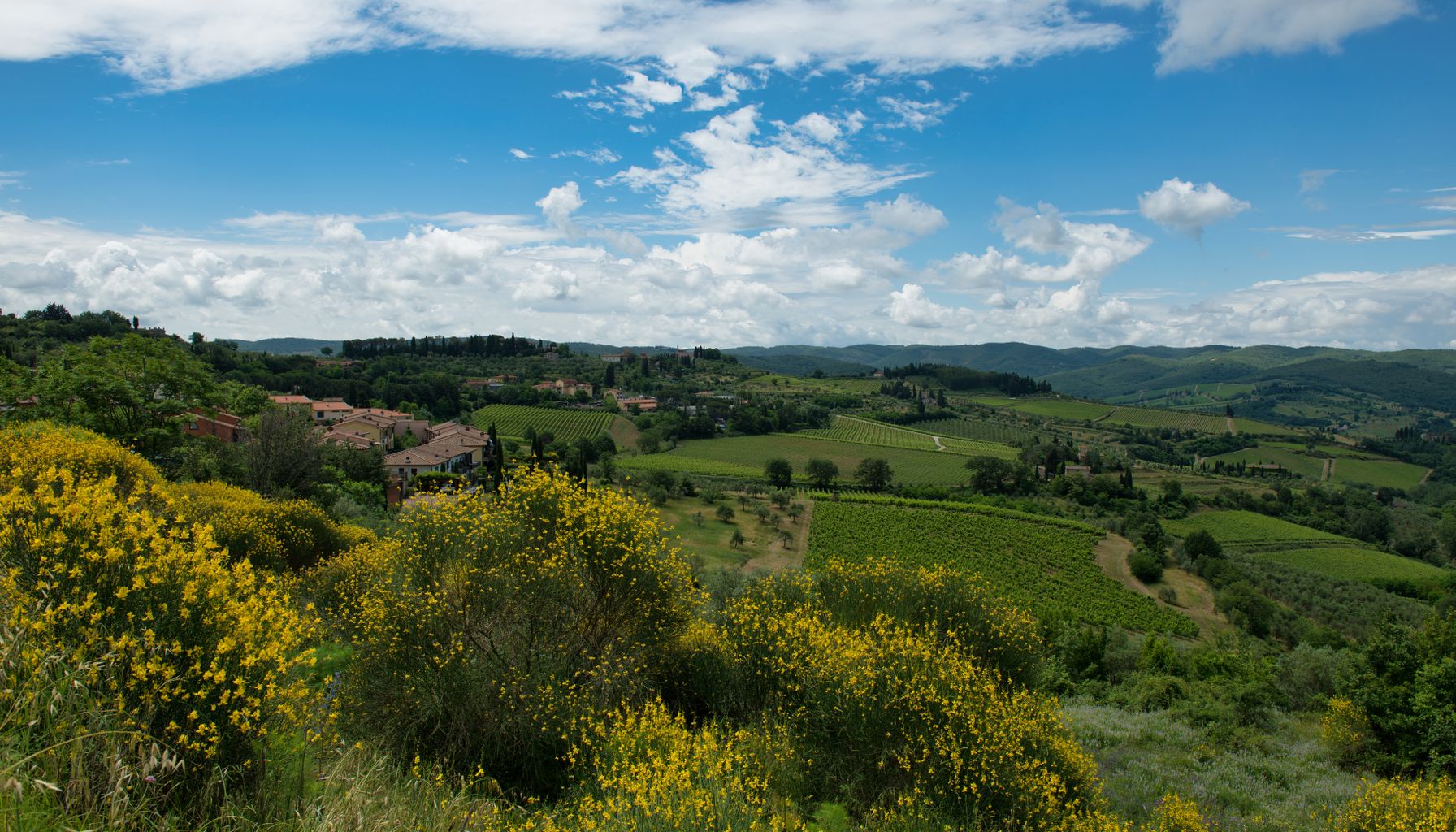
The second day in the region can be dedicated to a day trip through Tuscany, visiting wineries in the Chianti region or medieval towns like San Gimignano and Siena. These outings are usually done through organized tours or car rentals, and are a great opportunity to taste local wines and see landscapes far removed from the urban circuit.
As for cuisine, the region is known for meat-based dishes, such as bistecca alla fiorentina, as well as traditional soups like ribollita. Small family-run restaurants outside the historic center tend to offer more authentic experiences than establishments aimed exclusively at tourists.
Days 5 and 6: Venice and Its Islands
The train ride between Florence and Venice takes about two hours, and arriving at Santa Lucia station already provides one of the first striking impressions of the city: instead of streets full of cars, visitors are immediately greeted by the canals.
St. Mark's Square, the Doge's Palace, and a vaporetto ride through the canals are essential activities during these two days in Venice. The vaporetto, the city's water transportation system, also works as a sightseeing tour in itself, allowing you to admire the historic palaces along the Grand Canal.
The islands of Murano and Burano often raise the question of whether they're worth including in a tight itinerary. Murano is famous for its centuries-old tradition of blown glass production, while Burano charms visitors with its colorful houses and handmade lace. For those with limited time, half a day dedicated to both islands is usually enough not to compromise the rest of the itinerary.
Venice is, admittedly, one of the most expensive cities in Italy, especially for lodging and dining in the central areas. To save money, it's worth considering staying in Mestre, the mainland part of the city, which has good train connections to the historic center, and avoiding restaurants located just steps from the main attractions.
Day 7: Wrapping Up and Return Options
The last day of the trip can be reserved for last-minute shopping and authentic souvenirs, such as Murano glass products, Burano lace, regional olive oils, and wines that hold up well for the trip back to Brazil.
When planning your departure, you'll need to decide between flying out of Venice Airport (Marco Polo), heading to Milan for international flights with more connection options, or returning to Rome if your return ticket was booked with arrival and departure through the capital. This choice should be made during the trip-planning stage, since it directly impacts the itinerary for the final days.
To enjoy the last day without stress, it's recommended to avoid leaving last-minute shopping too close to flight time, pack your luggage in advance, and factor in travel time to the airport, which can be longer than expected in cities like Venice, where getting to the terminal often involves a boat or bus.
Extra Tips for Descendants of Italians
For Brazilians of Italian descent, a trip to Italy can take on a meaning that goes far beyond traditional tourism. Whenever possible, it's worth including the family's town of origin in the itinerary, especially if it's along the route between the main stops or a reasonable distance by train or car.
Many descendants use the trip to visit local registry offices (called comune) and parish archives in search of birth, marriage, and death records of ancestors. This kind of in-person research can complement — but not replace — the work of searching for records in Italy, which is normally done more thoroughly and systematically by specialized professionals even before the trip.
It's important to understand the difference between a traditional tourist trip and a trip focused on reconnecting with your roots. While the former focuses on tourist attractions and culinary experiences, the latter often includes visits to local cemeteries, churches where ancestors were baptized, and conversations with older residents who sometimes hold memories of families who emigrated decades ago. Many travelers combine both experiences in the same itinerary, dedicating a few days to the classics and setting aside extra time for the ancestral town.
It's worth remembering that visiting your family's homeland is an important emotional experience, but it's different from the Italian citizenship process itself, which involves gathering specific documentation, translation, apostille certification, and, depending on the case, judicial proceedings. A trip can be a great starting point for gathering family information, but the citizenship recognition process follows its own procedures, which must be carried out with careful attention to current rules.
A seven-day trip through Italy, from south to north, allows you to see the country's great icons while still leaving room for more personal experiences, especially for those carrying Italian surnames and family histories. With proper planning of dates, documentation, and budget, it's possible to enjoy each city without excessive rushing. For those who want to dive even deeper into the culture, cuisine, and other destinations to explore in Italy, be sure to follow the content from Life in Italy and News from Italy published regularly by Raízes Italianas.
Want to know if you're eligible for Italian citizenship? Talk to a specialized advisory team.