Italian Wines: A Beginner's Guide by Region 2026
Discover the main Italian wines by region: Tuscany, Piedmont, Veneto and more. A complete beginner's guide to the flavors of Italy.
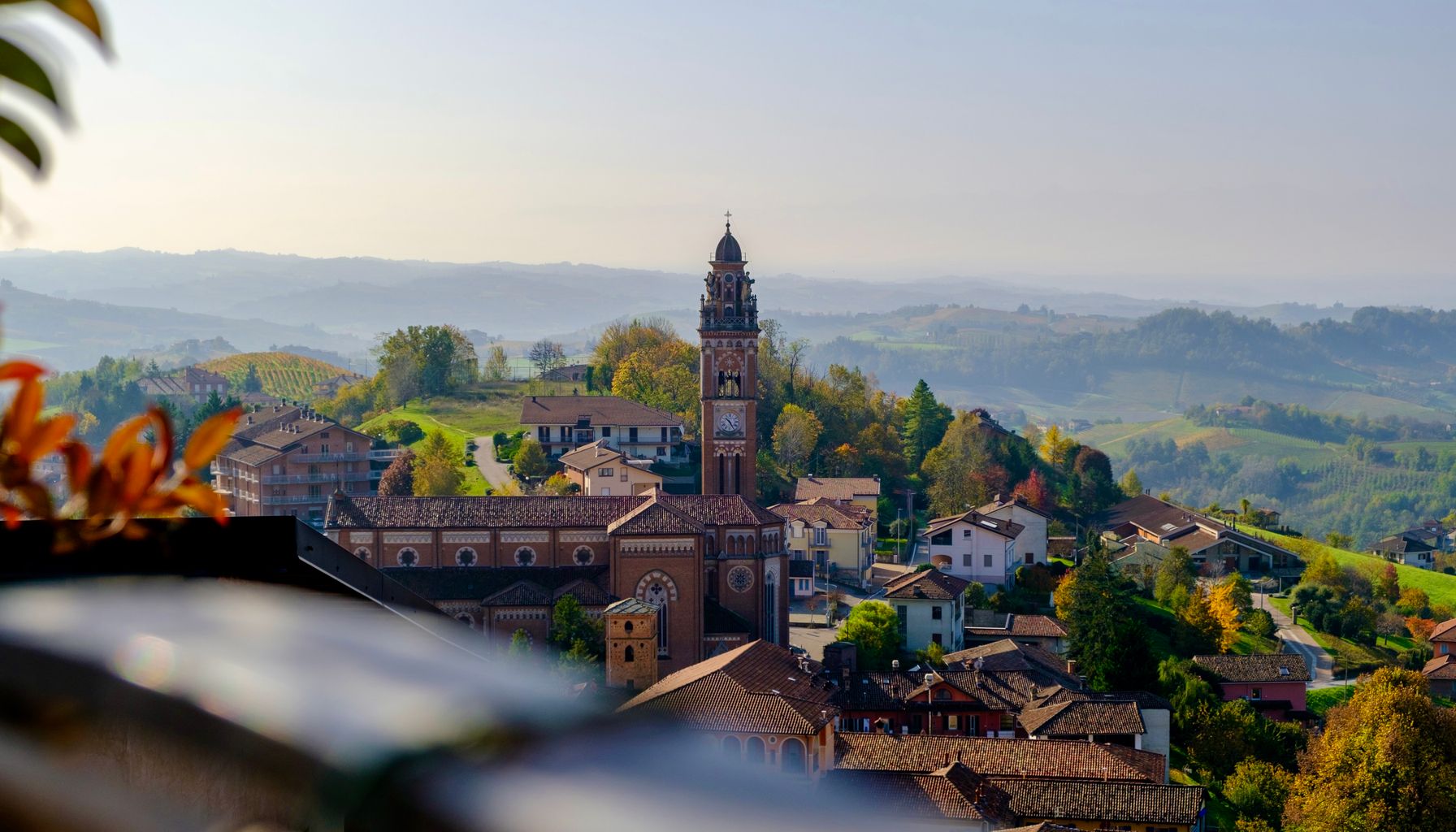
From sun-drenched Tuscany to the volcanic slopes of Sicily, Italy is home to one of the world's richest winemaking traditions, with 20 wine-producing regions that translate local geography, climate, and history into every bottle. For Brazilians of Italian descent, learning about wines by region is also a way to connect with family roots — often tied to old vineyards and traditions passed down through generations.
Why Knowing Wines by Region Is Essential
Italy doesn't have "a" national wine — it has hundreds of styles shaped by the country's enormous geographic and climatic diversity. From the alpine cold of Piedmont to the Mediterranean heat of Sicily, each territory (the so-called terroir) imprints unique characteristics on the grapes grown there.
The country has 20 officially recognized wine regions, each corresponding to Italy's administrative divisions, from Valle d'Aosta to Sicily. This organization isn't merely bureaucratic: it reflects centuries of grape varieties adapting to the soil, altitude, and sunlight of each area.
For those of Italian descent, this winemaking diversity often connects directly to family history. Many immigrants who left Italy for Brazil brought vine cuttings and winemaking techniques with them, especially those who departed from Veneto and Tuscany — regions that helped shape Brazil's own winemaking tradition, particularly in Rio Grande do Sul.

Those researching their own genealogy and considering applying for Italian Citizenship often discover that their family's region of origin is the same one that produces the wine they enjoy at the table — a symbolic thread connecting past and present.
Tuscany: The Birthplace of Chianti and Brunello
For many, Tuscany is the gateway into the world of Italian wines. The region is dominated by the Sangiovese grape, the undisputed star that gives red wines vibrant acidity, pronounced tannins, and notes of red fruit, cherry, and dried herbs.
Chianti Classico is the region's best-known label, produced in the historic area between Florence and Siena. Recognizable by its black rooster seal (Gallo Nero), it's a versatile, full-bodied yet balanced wine — ideal for those just discovering Italian reds.
Brunello di Montalcino, meanwhile, is considered one of Italy's most award-winning and prized wines, produced exclusively from a specific Sangiovese clone in the small town of Montalcino. It requires long aging periods in barrel and bottle, resulting in a complex, structured wine with great aging potential.
When it comes to pairing, Tuscan wines go well with red meat dishes, pasta with hearty sauces, and aged cheeses — characteristics that align directly with the Italian-Brazilian cuisine found in many descendants' homes.
Piedmont: Barolo, Barbaresco, and the Tradition of the North
In northwestern Italy, Piedmont is the territory of the Nebbiolo grape, one of the country's noblest and oldest varieties, responsible for long-lived red wines with complex aromas — notes of roses, tar, ripe red fruit, and spices are common.
Barolo, nicknamed "the king of wines and the wine of kings," is full-bodied, tannic, and requires years of aging to reveal its full potential. Barbaresco, made from the same grape in a neighboring area, tends to be more elegant and approachable even when young, though equally sophisticated.
Piedmont is also home to Italy's most popular sweet sparkling wines: Moscato d'Asti, light, aromatic, and lightly sparkling, and Asti Spumante, more effervescent and fruity — both excellent options for those just starting to explore wine, thanks to their sweetness and easy drinkability.
The region's continental climate, with harsh winters and hot summers, combined with clay- and limestone-rich soils, creates ideal conditions for the slow ripening of Nebbiolo, resulting in wines with a structure unique in the world.
Veneto: Prosecco, Amarone, and Valpolicella
Veneto is one of the regions most closely associated with Italian immigration to Brazil, especially to Rio Grande do Sul, and also one of the most prolific in wine production.
Prosecco is today the world's most exported sparkling wine, produced mainly from the Glera grape in the region between Treviso and Conegliano. Light, fruity, and more affordable than French Champagne, it has become synonymous with celebration around the globe.
Amarone della Valpolicella, on the other hand, represents the opposite extreme: a powerful, full-bodied red with high alcohol content, produced using the appassimento technique — partially drying grapes on bamboo racks or in crates for weeks before fermentation. The process concentrates sugars and flavors, resulting in an intense wine with notes of dried fruit, chocolate, and spices.
The Soave region, meanwhile, produces fresh, mineral-driven white wines from the Garganega grape, ideal for those seeking lighter options.
The historical connection between Veneto and Brazil goes beyond wine: typical Veneto dishes — such as polenta, grilled radicchio, and risottos — have direct equivalents in the cuisine of regions in southern Brazil settled by Venetian immigrants, reinforcing the bond between food, wine, and family identity.
Southern Italy: Sicily, Puglia, and Emerging Wines
While the North holds historic fame, Southern Italy is experiencing strong international growth, with wines that combine quality with more affordable prices.
In Sicily, the Nero d'Avola grape has gained global recognition for producing full-bodied, fruity reds with excellent value for money. The island is also known for volcanic wines from Etna, grown on the slopes of the active volcano, in mineral-rich soils that give both red and white wines a distinctive minerality increasingly prized by sommeliers.
In Puglia, the standout is Primitivo di Manduria, a full-bodied, sweet, fruity red genetically related to California's Zinfandel. It's an excellent entry point for those who prefer softer, less tannic wines.
In general, wines from Southern Italy tend to be more competitively priced than those from the North, without sacrificing quality — an interesting option for those wanting to explore authentic Italian labels without spending too much.
How to Choose Your First Italian Wine
One of the biggest challenges for those starting to explore Italian wines is understanding the classifications that appear on labels:
- DOC (Denominazione di Origine Controllata): guarantees that the wine follows specific production rules for a given geographic area.
- DOCG (Denominazione di Origine Controllata e Garantita): a category above DOC, with even stricter quality control — it's the highest seal in the Italian classification system.
- IGT (Indicazione Geografica Tipica): indicates geographic origin but with more flexible production rules, allowing producers greater creative freedom.
For beginners, DOC or IGT wines tend to be good starting points, as they're generally lighter and more accessible. A basic DOCG Chianti, a DOC Prosecco, or an IGT Nero d'Avola are safe choices for starting your tasting journey.
In Brazil, authentic Italian wines can be found at specialized importers, wine shops, and large supermarkets, especially in regions with a strong Italian-descendant presence. It's always worth checking the label's classification and region of origin to ensure authenticity.
When pairing with Italian-Brazilian cuisine, a good rule of thumb is: lighter dishes (pasta with tomato sauce, fresh cheeses) call for lighter wines, while heartier dishes (slow-cooked meats, cured meats, aged cheeses) pair well with fuller-bodied reds like Barolo or Amarone.
Wine Tourism: Visiting Wineries in Italy
For those planning a trip to Italy, including a wine tourism itinerary is a great way to deepen the experience beyond what's found in a bottle.
The best time to visit Italy with a focus on wine is typically between September and October, the harvest season (vendemmia) in Tuscany and Piedmont, when wineries often open their doors for guided tours and special tastings. Spring, between April and June, is also a good alternative, with mild weather and blooming vineyard landscapes.
Several wineries in Tuscany and Piedmont welcome foreign visitors, including Brazilians, with tours that include explanations of the winemaking process, visits to historic cellars, and guided tastings — often at family-owned estates that have produced wine for generations.
Combining a wine itinerary with cultural tourism is a smart strategy: cities like Siena, Alba, and Verona offer significant historical heritage in addition to winemaking tradition, allowing you to combine culture, food, and history in a single trip. For descendants also researching their genealogy, it's worth considering extending the itinerary to the family's town of origin — often the very same region that produces the wine enjoyed at the table.
Those who have already begun the citizenship recognition process and are considering moving to Italy can also use the trip to get a closer look at life in Italy for descendants, observing daily life in small wine-producing towns, often quite different from the hustle of major cities.
Learning about Italian wines by region is a sensory gateway into Italy's culture, history, and geography — and, for Brazilian descendants, one more way to reconnect with family roots. From the tannic structure of Barolo to the festive lightness of Prosecco, every glass carries a piece of Italian regional identity. To follow more content about Italian culture, tourism, and current events, check out News from Italy on Raízes Italianas.