Amalfi Coast 2026: Complete Guide and Travel Costs
Discover how to plan your trip to the Amalfi Coast in 2026: best towns, lodging, transportation, food, and a detailed budget for every wallet.
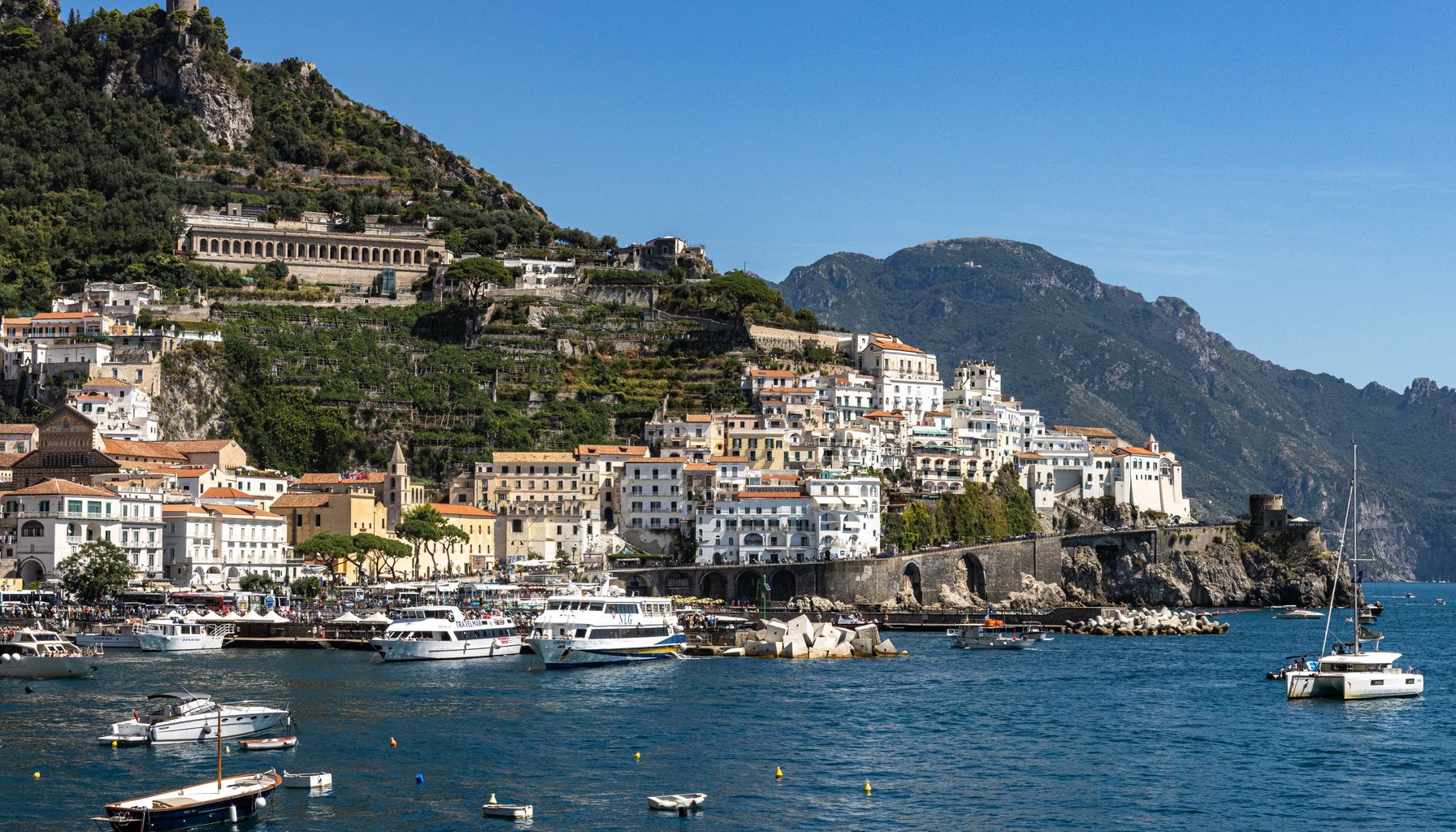
The Amalfi Coast remains one of Italy's most sought-after destinations, and 2026 brings important updates for anyone planning to explore its colorful cliffs, turquoise waters, and villages perched between the Tyrrhenian Sea and the Lattari Mountains. Given the high demand seen in recent summers, understanding costs, transportation, and the best time to travel has become essential for enjoying the region without overspending or facing excessive crowds.
Why Visit the Amalfi Coast in 2026
The Amalfi Coast has been a UNESCO World Heritage Site since 1997, a recognition that celebrates the unique landscape where medieval villages cling to steep cliffs above the sea. The combination of lemon-tree terraces, colorful architecture, and historic trails makes the region a rare setting in the world, attracting visitors from every continent.
For those who want to avoid crowds and inflated prices, we recommend traveling between April and June or between September and early October. During these periods, the weather is already pleasant for swimming and hiking, but without the chaos of July and August, when the coast's narrow roads become congested and lodging prices rise considerably.
After the record numbers of visitors seen in previous seasons, towns like Positano and Amalfi have adopted measures to control tourist flow, including limiting vehicle access at certain times and encouraging the use of public transportation and ferries. These changes make advance planning even more important for anyone hoping to visit the region in 2026.

Main Towns and What to See in Each
Positano
Positano is the coast's most famous postcard image, with colorful houses stacked up the hillside down to Praia Grande. Its narrow lanes are packed with boutiques, ceramics studios, and restaurants overlooking the sea. It's worth setting aside at least a full day to climb up and down the stairways, visit the Chiesa di Santa Maria Assunta, and enjoy sunset at one of the waterfront bars.
Amalfi
The town that gives the region its name, Amalfi is known for its Cathedral of Sant'Andrea, with its Byzantine-Norman facade, and for a historic center that preserves the memory of the ancient Maritime Republic. The town is also a departure point for ferries to Positano, Capri, and other coastal villages.
Ravello
Ravello sits at a higher elevation, away from the shoreline, and offers some of the most spectacular viewpoints on the coast. Villa Rufolo and Villa Cimbrone feature stunning gardens and host cultural events, including the traditional Ravello Festival, which draws classical music and performing arts throughout the summer.
Atrani and Minori
For a quieter, more authentic experience, Atrani is the smallest village on the coast and just a short walk from Amalfi, with a charming central square and few tourists. Minori, meanwhile, is known for its local cuisine and the Roman ruins at Villa Marittima, making it a good, more affordable lodging option without losing easy access to the main towns.
How to Get There and Get Around the Region
The most common gateway is Naples, whose international airport receives flights from many European cities. From there, you can reach the Amalfi Coast by train to Sorrento or Salerno, then take a bus or ferry to your final destination.
The SITA bus is the traditional way to travel the coastal road linking the towns, though the buses tend to be crowded during peak season. Ferries, which operate mainly from April to October, offer a faster and more comfortable alternative for routes between Amalfi, Positano, Salerno, and Capri, along with excellent views of the coastline.
Renting a car may seem appealing, but it requires caution: the Strada Statale 163, the region's main road, is narrow, winding, and prone to heavy congestion in summer. Anyone choosing to drive should be prepared for sharp curves, limited parking, and tolls on some stretches. For getting around locally, many travelers prefer hiring private transfers or using local taxis.
Where to Stay: Lodging for Every Budget
The Amalfi Coast offers options for every type of traveler. Luxury hotels with sea views, especially in Positano and Ravello, can charge steep nightly rates during high season, with amenities like infinity pools and in-house restaurants.
For those seeking savings, guesthouses and B&Bs in towns like Praiano, Minori, and Maiori offer comfort at more affordable rates, often with sea views similar to those of luxury hotels but at a much lower nightly cost.
An interesting strategy is to stay in smaller, less touristy towns, which tend to have lower prices while still offering easy access to the main attractions by bus or ferry. This allows you to save on lodging without giving up daytime visits to Positano, Amalfi, and Ravello.
How Much Does It Cost to Travel to the Amalfi Coast
Costs vary widely depending on your travel style:
- Backpacker: hostel or shared-room lodging, simple meals at bakeries and popular trattorias, bus and ferry transportation.
- Mid-range: three- or four-star hotels, meals at mid-range restaurants, some boat trips, and guided hikes.
- Luxury: five-star hotels with sea views, dinners at renowned restaurants, private transfers, and exclusive boat tours.
Main expenses include transportation (ferry and bus tickets, car rental, or transfers), food, and activities such as hikes, boat tours, and winery visits.
To save money without missing out on essential experiences, consider:
- Traveling in low or shoulder season, when lodging prices drop significantly.
- Prioritizing public transportation over private transfers.
- Eating at local trattorias away from the busiest tourist spots.
- Choosing lodging in smaller towns like Atrani, Minori, or Praiano.
Local Cuisine and Unmissable Experiences
The cuisine of the Amalfi Coast is defined by fresh seafood and the famous Amalfi lemon, the star ingredient in many dishes and in the traditional limoncello liqueur. Highlights include spaghetti alle vongole, pesce all'acqua pazza, and delizie al limone, a typical local dessert. Anyone wanting to explore Italian cuisine further can build up their knowledge before the trip.
Among the unmissable experiences is the Sentiero degli Dei, or Path of the Gods, a trail linking Agerola to Positano with panoramic views of the coast, ideal for those seeking moderate adventure in close contact with the landscape. Boat trips along the coast, with stops at grottoes and secluded coves, are also very popular, as are visits to wineries and local lemon producers, who open their properties for tastings and explanations of traditional terrace farming.
Practical Tips for Brazilians of Italian Descent
Before departing, it's essential to check the documents required for traveling to Italy, including passport validity and any visa requirements depending on length of stay and purpose of travel.
For Brazilians of Italian descent, a trip to the Amalfi Coast can also be an opportunity to reconnect with family roots. The Campania region, where the coast is located, was one of the main areas of origin for Italian immigration to Brazil between the late 19th and early 20th centuries. Many descendants have ancestors who departed from nearby ports, such as Naples and Salerno, bound for the Americas.
Those with surnames connected to this region can take advantage of their proximity to research parish and civil records in neighboring towns, a practice that often complements the Italian citizenship process. Obtaining vital records in Italy is an important step for anyone who has already started or is planning to start this process, and visiting the land of one's ancestors in person often adds emotional value to the documentary journey.
To follow more on this topic, the Raízes Italianas portal keeps content updated in its Italian Citizenship section, along with news from Italy and content about life in Italy for those considering moving or spending longer periods in the country.
The Amalfi Coast in 2026 remains synonymous with breathtaking landscapes, remarkable cuisine, and living history amid cliffs and sea. With proper planning around travel timing, transportation, and lodging, it's possible to experience this region memorably and within budget, whether exploring the most famous villages or discovering lesser-known corners that reveal the true charm of southern Italy.
Want to know if you're eligible for Italian citizenship? Talk to a specialized advisory team.