Italian Immigrants on São Paulo's Coffee Plantations
Discover how Italian immigrants lived on São Paulo's coffee plantations: work, longing, culture, and the legacy that helped shape Brazil.
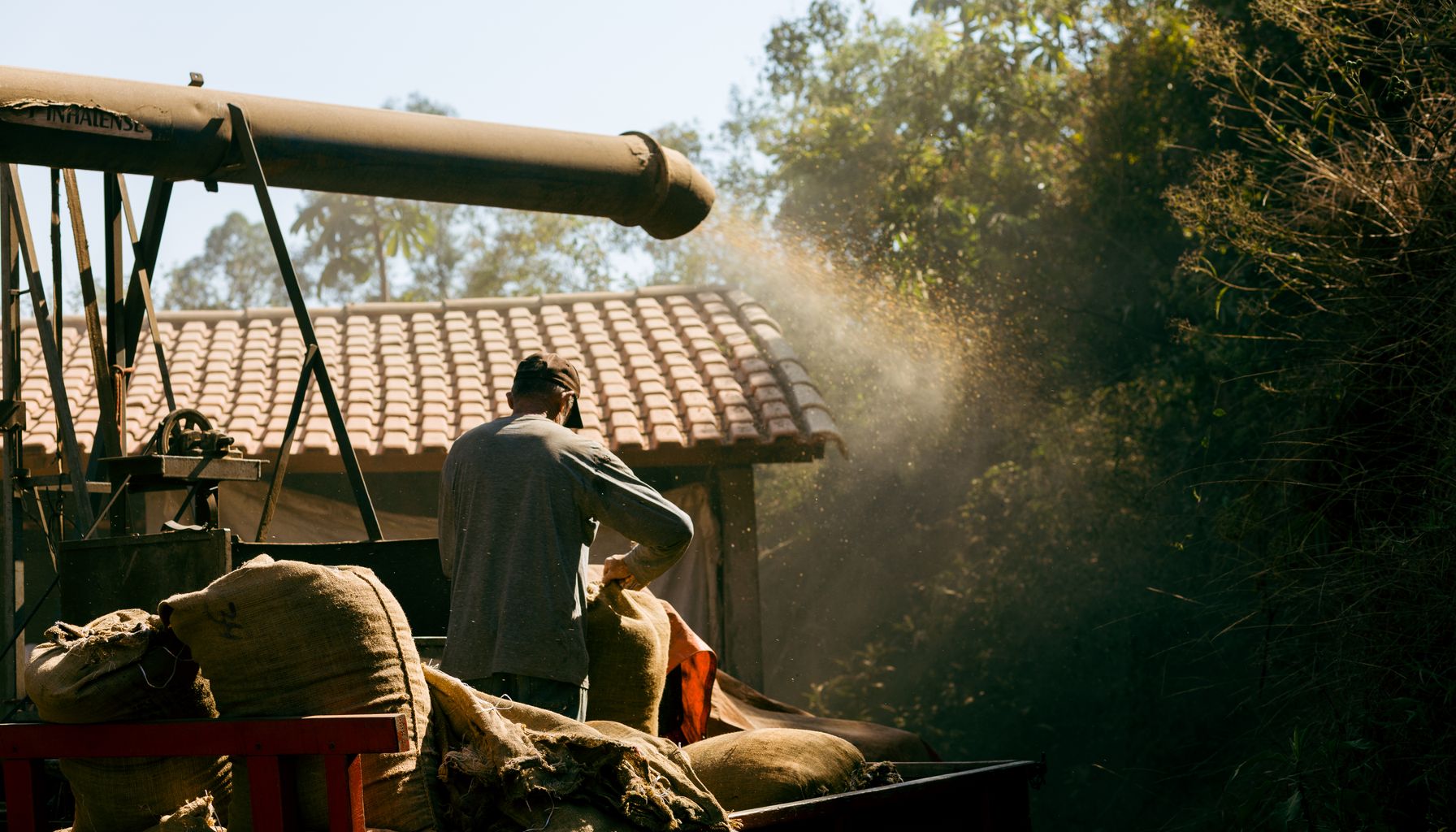
Between the late 19th century and the first decades of the 20th century, thousands of Italian families left their homeland to work on coffee plantations in inland São Paulo. This mass migration transformed not only São Paulo's economy but also the culture, cuisine, and social fabric of dozens of towns — a legacy that still connects millions of Brazilians of Italian descent to their ancestors' history today.
Why Italians came to the coffee plantations
The massive departure of Italians toward Brazil, especially from the regions of Veneto, Lombardia, and Calabria, was directly linked to the agricultural crisis affecting northern Italy in the late 19th century. Small landowners and peasants faced depleted soil, excessive fragmentation of inherited land, and pests that destroyed entire harvests, such as phylloxera, which ruined vineyards across several Italian regions. Widespread poverty pushed entire families to seek a better life outside the recently unified Italy.
In Brazil, the situation was different but equally urgent. With the end of slavery in 1888, São Paulo's plantation owners lost the labor force that had sustained coffee production, then the country's main export product. The solution found by the agrarian elites and the São Paulo government was to finance the arrival of European workers, and Italians, due to their availability and cultural proximity to the standards valued at the time, became the main group recruited.
Immigration agents and official propaganda promised land ownership, attractive wages, and a prosperous life on São Paulo's plantations. Posters and pamphlets distributed in Italian villages portrayed Brazil as a land of abundance. In practice, the reality immigrants found was much harsher: most did not receive land, but rather work contracts as colonos (sharecroppers), under conditions that varied enormously from plantation to plantation.

The journey and arrival at the Immigrant Hostel
Crossing the Atlantic was an arduous stage of the journey. The ships that transported immigrants typically operated under precarious conditions, with overcrowded holds, poor ventilation, scarce food, and frequent outbreaks of diseases such as measles and typhoid fever. Many families lost relatives, especially children, during the voyage itself, before even setting foot on Brazilian soil.
Upon arriving at the port of Santos, immigrants were sent to the Hospedaria do Imigrante (Immigrant Hostel) in São Paulo, opened in 1887 to organize the growing flow of foreigners. There, families were registered, underwent health examinations, and waited — often for days — to be sent to plantations in inland São Paulo. The facility functioned as a kind of screening center, where plantation owners and representatives of agricultural companies selected the workers who would go to their properties.
Distribution to the interior was done by train, and final destinations included regions such as Ribeirão Preto, Campinas, São Carlos, and the so-called "Oeste Paulista," the area of coffee cultivation's expansion. Upon arriving at the plantations, immigrants encountered a scenario completely different from what they had imagined: landscapes of forest and red soil, a climate very different from Europe's, and an intense work routine that bore little resemblance to the promises made in Italy.
The colonato system and the daily work routine
The main way Italian immigrants were integrated into the coffee economy was through the colonato system. In this model, entire families — men, women, and children — were responsible for caring for a certain number of coffee trees, receiving payment per task completed, such as weeding the coffee fields, harvesting, and processing the beans, in addition to a fixed wage on some plantations. The workday began at dawn and lasted until late afternoon, with the whole family involved in agricultural activities. Children, from an early age, helped with the harvest and small tasks, which frequently compromised access to formal education. Work organization depended on the number of family members, and larger families were able to care for more coffee trees, increasing family income.
Housing conditions varied considerably. In general, colonos received small, simple houses built near the fields, and had the right to grow vegetable gardens for their own subsistence. The basic diet included corn, beans, bacon, and products the immigrants themselves began to produce, adapting Italian recipes to the ingredients available in Brazil — an adaptation that gave rise to many of the typical dishes Italians brought to Brazil.
Not everything, however, was balanced. Historical accounts and records from the period, including immigrant correspondence and reports from Italian consular authorities, point to cases of exploitation, with debts accumulated at the plantations' own general stores, delayed wages, and real difficulty achieving social advancement within the system. This indebtedness, in many cases, kept families tied to a plantation for years, hindering the mobility that had been promised before the voyage.
Daily life and the preservation of Italian traditions
Despite the hardships, Italian immigrants worked hard to preserve their cultural identity within the colonies formed on the plantations and in rural settlements. The Italian language and its various regional dialects — Venetian, Calabrian, Neapolitan, among others — continued to be spoken in families' daily lives, often for generations, even amid constant contact with Portuguese.
Religious festivals held a central role in community life. Celebrations such as those honoring patron saints, Christmas festivities, and weddings were occasions for families to gather, with music, traditional food, and dances that harkened back to the traditions of their regions of origin. Cuisine, adapted to Brazilian ingredients, became one of the strongest links to the homeland, and many of these food traditions remain alive today in the Italian culture and traditions found throughout inland São Paulo.
Educating children posed a constant challenge. Although fieldwork frequently competed with schooling, many Italian communities organized to create small parish or community schools, where not only basic subjects were taught, but also elements of Italian culture and language, ensuring these roots were passed down to subsequent generations.
Living alongside other immigrant groups — Spanish, Portuguese, and later Japanese — and the Brazilian population also shaped life on the plantations, generating cultural exchanges that, over time, resulted in the diverse and plural social fabric characteristic of much of inland São Paulo.
Conflicts, resistance, and social change
Tensions between colonos and plantation owners were frequent, driven mainly by wage issues, working conditions, and contract compliance. Documents from the period, including reports from Italian consuls who visited the plantations to investigate accusations of mistreatment, record systematic complaints about delayed payments and abuses by administrators.
Faced with these difficulties, many families sought alternatives. One important movement was internal migration: from the plantation to the emerging towns of inland São Paulo, where immigrants and their descendants began working in commerce, small industries, and urban services. This shift drove the growth of municipalities such as Ribeirão Preto, São Carlos, and Franca, which developed economically with strong participation from the Italian community.
Over time, and across generations, many Italian families managed to achieve social advancement, becoming landowners, successful merchants, and later, professionals and entrepreneurs. This trajectory of social mobility is one of the most notable chapters of Italian immigration to Brazil, and it helped consolidate the Italian presence as one of the pillars in the formation of inland São Paulo.
The legacy of Italian immigrants in São Paulo's coffee industry
Italian influence remains visible in various aspects of daily life in inland São Paulo. In cuisine, dishes such as pastas, polenta, and cured meats have become part of the regional everyday diet. In architecture, one can still find buildings reminiscent of the style of houses brought by immigrants, especially in towns that grew up around the old coffee plantations.
Municipalities such as Ribeirão Preto, Batatais, São Carlos, and other towns in central São Paulo still carry clear marks of this immigration today, whether in predominant surnames, local festivities, or institutions founded by families of Italian origin. Museums and memory centers, such as the São Paulo State Immigration Museum, located at the former Immigrant Hostel, preserve documents, objects, and accounts of this history, serving as an important historical reference for researchers and descendants.
For many Brazilians today, this history goes beyond fond memory: it is the starting point for the Italian citizenship process, since proving descent from an ancestor who emigrated under these conditions is often the first step in seeking recognition of nationality. Understanding the historical context of these immigrants' arrival helps locate records and reconstruct the family tree needed for the application, often with the support of a search for records in Italy.
The history of Italian immigrants on São Paulo's coffee plantations is, therefore, one of the richest chapters in the formation of modern Brazil. Marked by sacrifice, resistance, and adaptation, this journey remains alive in the culture, economy, and identity of millions of Brazilians who carry Italian surnames and, often, the desire to formally reconnect with their roots. Those who wish to learn more about this topic can follow News from Italy and content about Life in Italy published regularly by Raízes Italianas.
Want to know if you're entitled to Italian citizenship? Talk to our specialized advisory team.